
Epoxy and PU Flooring Company In Bangladesh is a company that specializes in epoxy and PU flooring installations. We are one of the top companies in Bangladesh. Epoxy Flooring Company In Bangladesh is a leading exporter of high-quality Polyurethane floors for residential and industrial use. We offer a wide range of products at affordable price.
Epoxy Flooring has been widely used in residential, commercial and industrial sectors. Epoxy flooring is also used in pharmaceuticals, food factories and hospitals. Epoxy floors are widely used for numerous reasons such as decoration, construction and many other purposes. Our solid epoxy floor with good quality is one of our products which we have imported from India, Malaysia and Thailand. We have a wide range of colors that make your floor stylish and unique.
What is Epoxy Flooring?
Epoxy flooring is a type of resin-based flooring system applied over concrete surfaces. It forms a strong, seamless, and durable layer that protects the floor while enhancing its appearance.
Key Features of Epoxy Flooring:
- High durability and strength
- Seamless and smooth finish
- Chemical and stain resistance
- Easy to clean and maintain
- Wide range of colors and designs
Epoxy flooring is widely used in:
- Residential homes
- Commercial buildings
- Factories and warehouses
- Hospitals and clinics
- Pharmaceutical industries
- Food processing plants
Epoxy Flooring in Bangladesh:
Epoxy Flooring Company In Bangladesh become popular last 10 years. Epoxy fooring paint is used in many homes and industries, especially by homeowners who are looking for long-lasting, easy to clean floors. Our wide range of colors and textures of epoxy make your interior design unique and attractive. We can deliver our products all over the country by our transport vehicles.
Epoxy flooring Contactor:
Creativebuildingbd is a company that specializes in epoxy and PU flooring installations. We are one of the top flooring contractors in Bangladesh. We are the top epoxy flooring contactor In Bangladesh. We offer different ranges of floorings for our clients which are epoxy, metallic epoxy, and some other flooring.
Our quality of products:
We offer high-quality products and apply this product with a well-trained applicator. We ensure that our working environment is safe, healthy and comfortable for all clients. For more information visit our website.
About our team:
We have experienced civil engineers who design according to the requirement of our clients. We have almost 50 interior architects and 3 of them are foreign architects who are well-trained and established in this field. We have also well-trained applicators who are experts in this field. We also have quality controllers who are checking our products at different stages.
What is PU (Polyurethane) Flooring?
PU flooring is a flexible and highly resistant flooring system designed for environments with extreme temperature variations and heavy loads.
Benefits of PU Flooring:
- Excellent thermal resistance
- Flexible and crack-resistant
- Anti-slip surface
- Resistant to chemicals and abrasion
- Ideal for heavy industrial use
PU flooring is commonly used in:
- Food factories
- Cold storage facilities
- Industrial plants
- Commercial kitchens
Epoxy and PU flooring installations services in Bangladesh:
Our services are available all over the country. We provide installation service, maintenance services of epoxy and PU flooring. We can install the floor in your home, office, clinic or any other place at a very affordable price.
Metallic Epoxy Flooring in Bangladesh
Metallic epoxy flooring is becoming increasingly popular in modern interior design. It creates a luxurious, 3D-like appearance that enhances the beauty of any space.
Advantages:
- Unique visual effects
- Custom color options
- High durability
- Smooth glossy finish
Many clients in Dhaka prefer metallic epoxy for:
- Showrooms
- Offices
- Luxury homes
Why Epoxy and PU Flooring Is Popular in Dhaka, Bangladesh
Over the past decade, Epoxy and PU Flooring in Dhaka, Bangladesh has gained massive popularity due to rapid urbanization and industrial growth.
Reasons for Popularity:
- Long-lasting performance
- Cost-effective compared to tiles and marble
- Easy maintenance
- Modern and attractive design
- Suitable for Bangladesh’s climate
Many homeowners and business owners now prefer epoxy flooring because it provides both functionality and aesthetics.
Why choose Creative Building Bangladesh?
Creative Building Bangladesh is a company that specializes in Flooring services. We offer high-quality services and assure you that our work will be completed with well-trained applicators.
Moreover, we have a wide range of high-quality products which you can choose according to your need. We deliver our flooring service in all over the country by our transport vehicles.
Our Core Services:
- Epoxy flooring installation
- PU flooring installation
- Metallic epoxy flooring
- Floor maintenance and repair
- Industrial flooring solutions
We provide services across:
- Dhaka
- Chattogram
- Sylhet
- Rajshahi
- All over Bangladesh
Types of Epoxy Flooring We Offer
1. Self-Leveling Epoxy Flooring
Perfect for smooth and seamless finishes in commercial and residential spaces.
2. Metallic Epoxy Flooring
A premium decorative flooring option with unique patterns and glossy effects.
3. Anti-Slip Epoxy Flooring
Designed for safety in wet and industrial environments.
4. Industrial Epoxy Flooring
Heavy-duty flooring for factories and warehouses.
Quality of Our Products
At Creative Building Design, we ensure premium quality materials and professional application.
Our Quality Assurance:
- Imported raw materials
- Skilled applicators
- Strict quality control process
- Safe and hygienic working environment
We follow international standards to deliver the best results.
Our Expert Team
We have a highly experienced team including:
- Civil engineers
- Interior architects
- Skilled applicators
- Quality control specialists
Our team ensures that every project meets client expectations and industry standards.
Benefits of Epoxy Flooring
1. Easy to Clean
Epoxy floors require minimal maintenance and can be cleaned easily.
2. Waterproof
Highly resistant to water damage and moisture.
3. Durability
Can last 20–30 years with proper maintenance.
4. Chemical Resistance
Suitable for industrial and laboratory environments.
5. Stylish Appearance
Available in various colors and textures.
6. Slip Resistance
Improves safety in workplaces and homes.
Epoxy Flooring vs Tiles
| Feature | Epoxy Flooring | Tiles |
|---|---|---|
| Durability | Very High | Medium |
| Maintenance | Low | Medium |
| Cost | Cost-effective | Expensive |
| Appearance | Seamless | Joint lines |
| Installation | Fast | Time-consuming |
Epoxy flooring is often a better choice due to its long-term value and durability.
Epoxy Flooring for Garage
Epoxy flooring is widely used in garages due to its strength and resistance.
Benefits:
- Oil and stain resistant
- Strong enough for heavy vehicles
- Easy to clean
- Long-lasting
A properly maintained epoxy garage floor can last 20–30 years.
Additional Expert Tips for Epoxy and PU Flooring
Always Check Surface Preparation
The success of epoxy flooring depends heavily on surface preparation. Make sure:
- Concrete is dry and clean
- No oil, grease, or dust remains
- Cracks are properly repaired
👉 Poor surface prep = peeling or failure within months.
Consider Dhaka’s Weather Conditions
Dhaka has high humidity and temperature fluctuations, so:
- Choose moisture-resistant epoxy
- Use PU flooring in areas with heat variation
- Avoid installation during heavy rain
Choose the Right Thickness
Not all epoxy floors are the same. Thickness matters:
- 1–2 mm → Residential use
- 2–3 mm → Commercial spaces
- 3–5 mm → Heavy industrial use
👉 Thicker floors = longer lifespan
Select Chemical-Resistant Coating for Industry
For factories and labs:
- Use chemical-resistant epoxy
- Ideal for pharmaceuticals, food factories
This prevents:
- Acid damage
- Oil stains
- Chemical corrosion
Use Proper Cleaning Methods
Avoid harsh cleaning tools. Instead:
- Use soft mop or microfiber cloth
- Mild detergent + water
- Avoid strong acids
👉 This keeps the shine intact for years.
Add Anti-Slip Coating for Safety
For wet areas like:
- Kitchens
- Hospitals
- Industrial zones
👉 Always use anti-slip epoxy to prevent accidents.
Respect Curing Time
Many people make mistakes here.
- Light foot traffic → after 24 hours
- Heavy load → after 5–7 days
👉 Early use can damage the surface.
Don’t Choose Cheap Materials
Low-cost epoxy may:
- Fade quickly
- Crack easily
- Lose shine
👉 Always invest in high-quality imported materials.
Plan Color and Design Properly
Epoxy offers many design options:
- Solid colors
- Metallic effects
- 3D designs
👉 Choose based on:
- Room lighting
- Interior theme
- Usage type
Hire Professional Contractors
DIY epoxy flooring is risky.
Professional contractors ensure:
- Proper mixing ratio
- Correct application
- Long-lasting finish
Inspect Concrete Condition First
If your base concrete is weak:
- Epoxy will not last long
👉 Always repair or strengthen concrete before installation.
Use PU Flooring for Extreme Conditions
PU flooring is better for:
- High heat areas
- Cold storage
- Heavy machinery zones
👉 It’s more flexible than epoxy.
Schedule Regular Maintenance
Even though epoxy is low-maintenance:
- Inspect yearly
- Recoat if needed
- Fix small damages early
Use Protective Pads for Heavy Equipment
For industrial or garage use:
- Place rubber pads under machines
- Avoid direct heavy impact
Choose Eco-Friendly Options
Modern epoxy solutions are:
- Low VOC
- Environment-friendly
👉 Better for indoor air quality.
Ensure Proper Drainage System
Especially for factories:
- Install slope + drainage
- Prevent water accumulation
Check Fire Resistance Rating
For industrial use:
- Choose fire-resistant epoxy/PU
👉 Adds extra safety.
Compare Long-Term Cost, Not Initial Cost
Epoxy may seem costly upfront, but:
- Lasts 20–30 years
- Requires low maintenance
👉 Cheaper than tiles in the long run.
How long do epoxy floors last in garage?
Twenty years ago, polyurethane was commonly used as a garage floor coating, but that changed in 20 century. Our garage epoxy floor lifespan is at least 20 years if you can well maintain this flooring will be durable 30 years.
Some Benefits of Epoxy Garage Floors:
• Easy to clean.
• It is waterproof and resistant to water damage.
• It is very durable.
• UV rays won’t affect it at all.
• It is widely available in different textures and colors.
• Easy to install when you have a proper site to get it laid in right place.
How To Fix Scratches In Polyurethane Hardwood Floors?
Identify type of scratch:
To fix scratches in polyurethane hardwood floors for the first step, determine which type of scratches it is. Scratches on hardwood floors can be caused by people stepping on them or cause by furniture or nails. If a person steps on your floor and they have shoes, they will start to wear out the bottom of their feet.
Scratching Type 1: Nail Scratches:
Even though hardwood floors are durable, they are not completely scratch resistant. The nails may leave scratches. Even though nail scratches on hardwood floor can be cured, they are not recommended to use because most nails are not made of stainless steel. Stainless steel nails are highly scratch resistant and durable for long term use. For the additional protection of your floor, you should use them.
Scratching Type 2: Shoes Scratches:
The second type of scratch your floor can get from shoes is the shoes scuffs . The size, shape and wear and tear of shoes are all factors that affect the appearance of your floor. Shoes scuffs tend to be deeper than a nail scratch, which makes them difficult to fix. You should buy shoes that are evenly spaced and have replacement heels . This will make it easier to find the right shoes for your floor and avoid unnecessary wear on your floor.
Scratching Type 3: Furniture Scratches:
Another type of scratch your floor may suffer from is the furniture scratches. Just like the previous two types, furniture can damage your floor and make them look bad. The worse part is that furniture scratches sometimes last longer than other types of scratches. To prevent this you should use pads on all legs or legs with nails or wooden feet.
Clean the floor:
Some dirt and dust can get trapped in the floor, which may even make the scratches worse. You should sweep or vacuuming the floor first. Use a dustpan to pick up any loose dirt or leaves. Dustpan is more convenient than broom because the dustpan can easily pick up small scraps of wood and other debris without leaving traces on your floor.
Apply wax on floor:
After sweeping or vacuuming the floor, you should put a coat of paste wax on it. Wax will help to make the scratches less noticeable. It will also help to keep your floor shiny and clean.
Sand the surface:
You should use a medium-grain sandpaper to smooth the surface of your floor. This will remove the top layer of polyurethane, which will make the scratches less visible on your floor.
Use compound:
You should use a fine-grained sandpaper to even out the scratches. The compound you use should be made for wood floors and not paint. You may need to repeat these next two steps until the scratches are gone.
Apply spot finish:
After grinding and sanding, you should use a spot finish on your floor. This finish is very bright and hard that it will make the scratches stand out. You only need to apply it on scratches that are still visible.
How to get rid of polyurethane smell from floors?
Get rid of polyurethane smell from floors follow these tips:
Open door and Window:
To get rid of the smell from your wood floor, you need to open up the door and windows. This will allow the heat and humidity to escape your home. You shouldn’t leave a door open for too long as this may encourage mold growth in your home.
Use Fans:
Fans will help to circulate air throughout your home. This will help to remove the smell from the floor and other surfaces in your house. If you use fans, make sure that these are placed toward windows and doors.
Place air filter to filter out toxins:
If you can’t open windows and doors for some reason, you can place air filters to filter out toxins. You may also be able to find activated carbon filters, which will help to remove the smell from your home.
Use Enzyme products:
Some commercial cleaners are available that use enzymes to get rid of the smell from the floor. These cleaners break down the molecules of polyurethane and replace them with fresh molecules. This will prevent the smells from returning over time.
Apply Berger solution:
You can get Berger solution from supermarket or hardware stores. The solution will help to cut through the polyurethane and release the toxins into the air. You should use these solutions in a ventilated area and pass off any vapors that build up.
Apply lemons and water solution:
Another way to get rid of the smell from wood floor is to apply lemons and water solution. You can use half a lemon for this process. Cut the lemon in two, rub it on the surface of the wooden floor and leave it for an hour before washing it off with warm water.
Clean your floors with vinegar:
Vinegar is very effective at getting rid of polyurethane smell from floors. With floor cleaners, you may come across cleaners that spray deodorizing compounds on your wooden floors.
Apply charcoal:
You can also use charcoal to get rid of the smell from your floors. Make sure that you place the charcoal in a well-ventilated area, because any toxins will be released into the air. After about two hours, all toxins will have been absorbed by the charcoal, and you can simply vacuum it up and throw it away.
Apply baking soda:
You can apply baking soda on your floors to get rid of the smell. Scrub the floor with baking soda, and leave it overnight before rinsing it off with warm water in the morning.
How Long Does it Take for Polyurethane to Stop Smelling?
The only way to keep the smell from coming back is to keep up with the cleaning process. Normally require 12 days to remove smell from floors. Remember that if you don’t do your job, you may continue to get the smell back.
How long are polyurethane fumes toxic?
Polyurethane fumes take five to seven days to decrease. If you follow above tips fumes will remove fast before this time. If you don’t clean the polyurethane floor, it may be hard to remove the smell.
How to prevent bubbles in polyurethane floor finish?
Before you apply polyurethane finish on floor, you need to clean it first. To do this, you need to use a cleaning product and scrub the floor. Make sure that before scrubbing, make all of your steps with water. From this guide you can also learn how to apply bubble free polyurethane? Let’s start:
Remove dust:
If you want your polyurethane coating to be bubble free and durable, then you need to remove all dust from floor. Make sure that there is no dirt or dust particles on your floor before applying polyurethane. Also, wipe it using a damp cloth and vacuum the floor. If your floors are too dirty and full of mildew and mold, then you need to remove them before applying polyurethane finish on them. Make sure that your ventilation is good enough for preventing mold spores from floating in air.
Remove all grease, oil and wax:
This step is very important for preventing bubbles on polyurethane. Remove all grease in the floor. Also, remove all oil from floor. Apply an oil-free or ceramic floor finish to prevent bubbles. Leave only clean and dry surface on your floors then apply polyurethane finish on them.
Sand floor:
Before applying polyurethane finish on floors, make sure that they are sanded. If you don’t know how to sand floor, contact a professional at your local store. After sanding floor, make sure that all abrasive paper is removed. If there is any left on the floor, you need to remove it before applying polyurethane finish to floor.
Remove dust, again:
After sanding floor, remove all dust. Again, make sure that your floor is not too dirty before applying polyurethane to it.
Prepare clear coat:
Before applying polyurethane finish on the floor, you need to start with a clean surface. You first need to prepare a base coat and clear coat. You need to apply clear coat only after you have applied base coat. If you accidentally spill some paint while applying base coating, then it might make your finish with bubbles.
Prepare the Polyurethane:
You need to mix two different types of polyurethane. One is called Hard Polyurethane. This type is for sanding and smoothing floor surface. The other is called Soft Polyurethane. This is a special product that can bond to any surface and waterproof it without scratching the floor. However, if you will apply the same amount of hard polyurethane as normal polyurethane, you will still have some bubbles in finish product.
Now apply first coating:
First, you need to apply the hard polyurethane on floor with a broom or roller. It is important that you apply this product only on the sanded surface and not on any part that your vacuum will come near. This product is for smoothing and leveling of floors, but it can’t make any big scratch in floor.
Sand before second coating:
After applying first coat, you need to sand floor. If you want your floors to be completely smooth and dust free, then you need to sand them again and apply a second coat of hard polyurethane.
Apply the second coating:
Second time you will also apply the hard polyurethane on floor. You need to use a roller or broom and make sure that the rollers are completely clean when making this step. This product is for smoothing the floor, but it still can’t scratch floor surface.
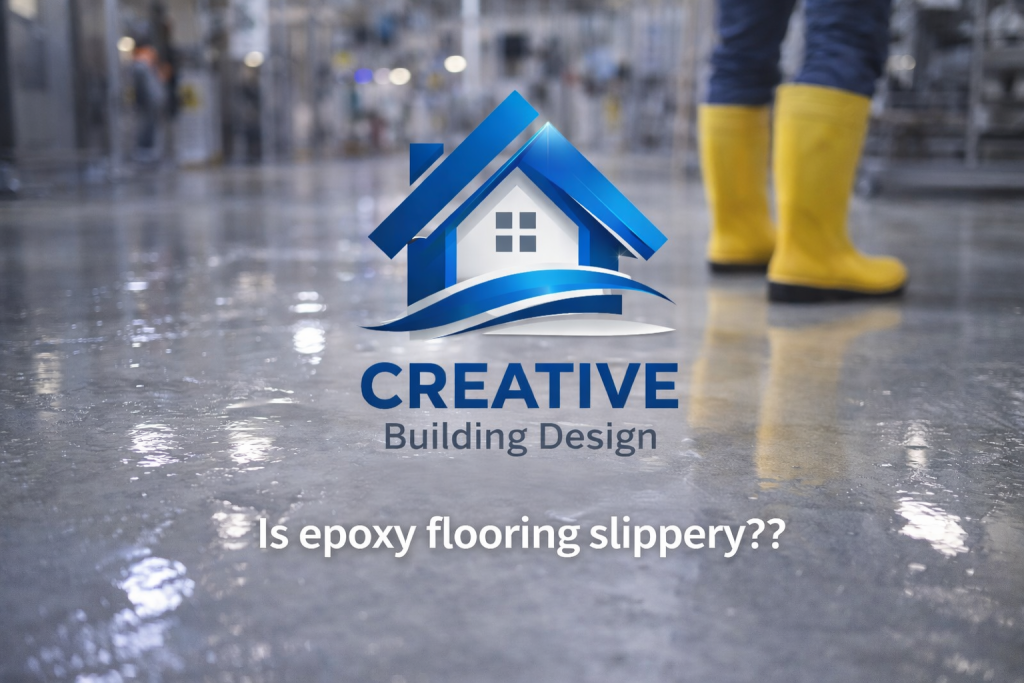
Is epoxy flooring slippery?
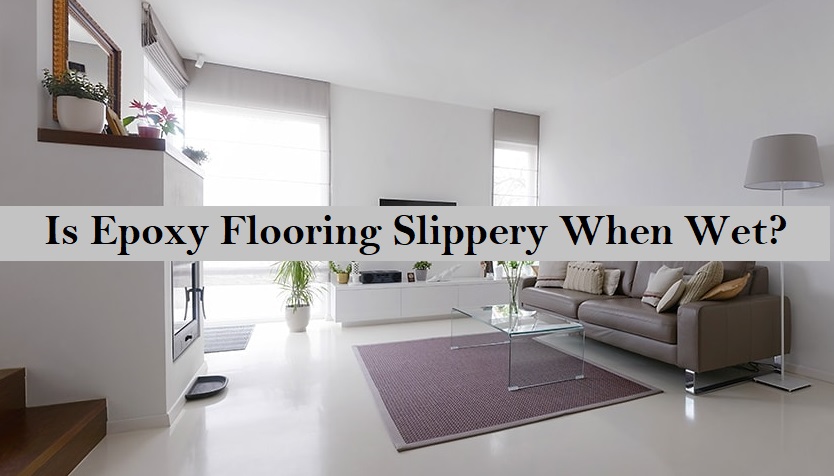
Normally commercial epoxy floor is non slippery when get wet. If berger epoxy floor paint installed without chipping or peeling it becomes slightly slippery than normal slippery floor. Another reason would be if not used anti-slip properties, especially the parts with higher concentrations of epoxy resin. To prevent the floor from becoming slippery, you just add in an anti-slip agent. As you can see, is epoxy flooring slippery? The answer is No.
How Can You Make Epoxy Floors Less Slippery?
The question of how can you make epoxy flooring non slippery is a common one, especially in places where people may be walking on wet and slippery surfaces. Below are some suggestions to help you make your floor less slippery :
Add an Anti-Slip Coating:
For making your floor less slippery, you can put an anti-slip coating on the finished epoxy flooring. Anti-slip coating have different types and shapes. You can choose the type that is suitable for the floor and the environment where you are installing.
To make your floor less slippery, one of the best ways to apply coating is by using a spray gun. This type of spray is fast, efficient and allows you to control every single spot on your floor. You can use paints or other products that are designed as anti-skid coating.
Put Rubber Mat:
Rubber mat is a thick layer of rubber sheet with the thickness of 3mm to 4mm. You need to apply rubber mat on your epoxy flooring Brisbane directly, no matter whether it is a solid or liquid form of the material. Rubber mat can be applied as a film, but then it will create a bumpy surface. You should take guidance from the professional before using rubber mat on your floor.
Insulation:
You can also use insulating flooring for making the epoxy floor less slippery. In this case, you need to apply under-floor insulation in the area where you are going to install your flooring. This will keep the room warm and prevent any moisture made by visitors from escaping into the building’s structure.
Try a Containment Mat:
You can also use a containment mat or mat for preventing the slippery from your floor. This is another method to make your floor less slippery by using a sticky or rubberized surface substance. There are many types of containment mats, such as non-adhesive safety mat, anti-fatigue mat, and anti-slip foam among others. Green epoxy floor is an advanced technology in making epoxy paints. It allows the use of different colors in the same painting process.
Clean Floor Regularly:
The most common way to reduce slippery floor is by cleaning your epoxy floor regularly. The periodic cleaning will also help to lubricate the floor and make it more slippery. You can use water and soap to wash your epoxy flooring and rinse it properly. Proper cleaning of the room will prevent mud and rolling on the surface of your flooring. If you have pets in the house, then it is recommended to clean your floor on a regular basis.
How to care for polyurethane wood floors?
Professional polyurethane flooring requires professional care. The first step in keeping the finish of your floors looking its best is regular maintenance. A regular maintenance schedule will provide the most long-term results.
Remove dust:
After each time you vacuum the floor, use a damp microfiber cloth to wipe up any dust that remains. Use a microfiber cloth to wipe the floor instead of a rag or paper towel because microfibers will pick up far less dust and dirt than any other type of material. If you do not have microfiber, use a feather duster. You should use a feather duster on the hardwood floors because not all dusters are equal. Some dusters leave more lint behind than others, which can damage the finish of your floor.
Remove Grease and Grime:
You should clean grease and grime from your hardwood floors every 3-4 weeks. You can use a damp microfiber cloth for this. Make sure the cloth is lightly damp when you wipe up the grease. A tool called a Waterblade makes it easy to get hard to reach areas like corners and behind furniture.
Use distilled water when mopping your floors to avoid any damage from hard water residue on your floor.
If you do not have microfiber, use a clean rag. If you are using a rag, be sure to dust off the floors to get rid of any loose dirt or debris before you start.
For tougher grime and grease, you can use a mixture of 50/50 hot water and white vinegar. Do not let this solution sit on your floor because it will cause more damage than good if it dries on the surface. Rinse the hardwood with water after you wipe up grime with vinegar.
Remove stains:
If you get a spill on your floor, clean it up right away with a microfiber cloth or a rag. If you do not clean up the spill immediately, it can become permanently ingrained into the finish and will be much more difficult to remove. You might need to wipe your floor with dish soap, rubbing alcohol or even bleach so that you will be able to see where the stain is.
Leave your hardwood floors bare for at least 7-10 days before you apply a new coat of polyurethane.
How to care for polyurethane hardwood floors?
Polyurethane is an excellent choice for floors because of its durability and resistance to damage. When it comes to caring for your polyurethane hardwood floors, you should follow these helpful tips:
- Dust the floor regularly to remove any dirt or dust from the coating.
- Avoid using wax and paste waxes on your floors. They can lead to peeling at the edges of the floor and cause ridges in the finish.
- Clean spills immediately if they occur.
- Avoid any abrasive or harsh products when you clean your hardwood floors. You can use a damp mop, preferably made from microfiber, to wash the floor. Be sure to wipe up any spills on the floor with a cloth or sponge that has been soaked in water before you mop the floors. Do not let the dirt dry before you wipe it up!
- Do not place hot pots or pans directly on your wood floors. If you do, the heat can cause the finish to blister and peel.
- Wash your floors at least once a week to keep them looking bright and clean. You should use a mop that has been made from microfiber to wash your floors because it will pick up far less dirt than any other type of mop or cloth.
- Properly roughen before applying a new coat of varnish or polyurethane. Use a wire brush to dust the floor to remove any loose dirt and debris.
- While applying the new chemical sealer, wear gloves and an apron. The chemicals used in polyurethane hardwood floor finish are strong, so you should protect your hands and skin while you use these types of products on the floors.
- Use only non-scented polyurethane for your floors to avoid any damage that may occur from a reaction between the polyurethane and the smell of the floor.
How to seal polyurethane wood floors?
You should follow these helpful tips:
- Use a quality brush or roller on your new polyurethane floor.
- Put on old clothes that you can throw out after you work with the chemical sealer.
- Rinse the floor with water before you apply the polyurethane. Be sure to wipe up any spills that occur after you rinse the floor.
- If you notice any bumps on your floor, use your fingers or a damp towel to smooth them out before you continue.
How To Apply Polyurethane To Floors?
Here the full process of applying polyurethane to floors. Let’s see:
Choose desire color Polyurethane:
First step is choose desire color Polyurethane for your floor. If your floors are natural color and frequently stain oil-based polyurethane is perfect for you. Oil-based polyurethane is easy to apply and require to complete project one day. On the other hand oil-based polyurethane is less expensive than water-based polyurethane.
Prepare the Floor:
Properly clean floor before applying polyurethane. If may use power washer to remove loose particle . After wet cleaning dry your floor completely otherwise polyurethane not adhere with floor.
Vacuum Your Floor:
After power wash use vacuum cleaner to remove fine dust from floor. Vacuum cleaner suck up small objects like hair and cotton balls. After vacuuming floor wipe floor with white vinegar and water solution. Wear hand gloves before applying white vinegar and water solution.
Wipe Down the Surface by Mineral Spirits:
After using white vinegar and water solution wipe floor with mineral spirits or paint thinner. After dry mineral spirits completely remove all the remaining debris and dust from floor. After that take care about cracks and crevices of the floor.
Ensure well-ventilated working area:
Well-ventilated working area is one of the most important step of applying polyurethane For floors. You should not apply polyurethane to floors in damp environment. Open door and windows of room, you can fit oscillating for for enough wind. Another benefits of opening doors is reduce smell of polyurethane.
Protect baseboards using masking tape:
If there is wooden baseboards in your room protect them from polyurethane painting using masking tape.
Mix polyurethane:
If you buy separate components of polyurethane mix them properly before applying. Most of the chemical companies provide accurate proportion guide. You can follow this guide before mixing polyurethane chemical.
Applying the Polyurethane:
Now apply polyurethane using soft bristle brush. Brush the polyurethane in horizontal and vertical direction. Polyurethane harden within one hour, after one hour you can apply second coat of polyurethane.
Apply the second and third coat:
After one hour you can apply the second coat of polyurethane to your wood or laminate floor. If you want to get more shine apply third coat of polyurethane.
Let dry floor for 24 Hours:
After completing project let your floor dry for at least 24 hours. You can apply soft cloth to remove dust from floor if it is completed properly your floor will look very good and you can use it for long period of time.
Cost Of Epoxy Flooring:
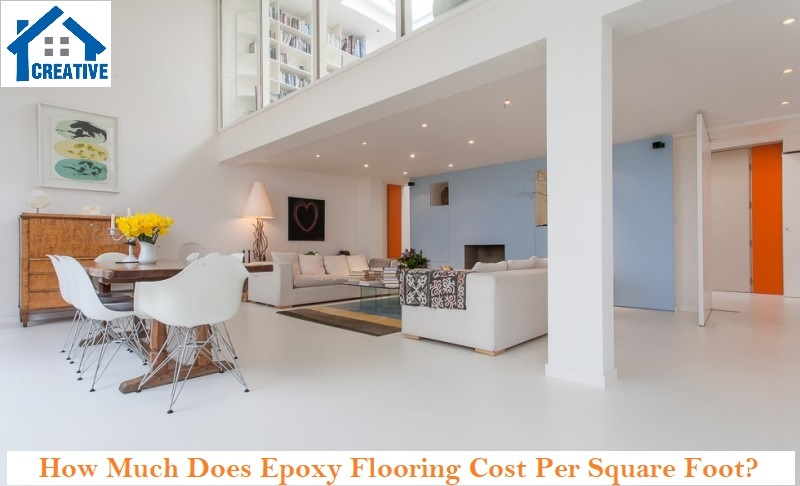
The cost of epoxy flooring depends on the size of your project, including the materials used to install the floor. You will find price from 250 tk to 300tk or more when having complicated installation. In general, the cost of epoxy flooring is between 150tk to 200tk per square foot.
Get an estimate of the cost of your project from out expert team. You will get an accurate price quote for your project within minimum time. Keep in mind that the cost does not include labor charges for installation or removal of debris from your property. Generally, an epoxy flooring project takes at least 4 days to complete.
The cost of materials for the flooring installation projects is different for each country due to local taxes and import duties. So, the cost can be higher or lower than mentioned above depending upon your location.
The cost of materials depends on the brand and quality of epoxy you are using. You will get good price when you buy locally. Good quality materials provide a long lasting service that contributes to less maintenance cost in future. Buy epoxy resins and pigment in bulk when you plan to apply on a big area. You will get good discount when you have a big project.
Epoxy Garage Floor Cost:
The cost of epoxy garage flooring is related to the size of your garage and the length of area that you wish to cover. As mentioned, a 5/8 square foot cost will be 850tk per square foot for premixed and about 900tk per square foot for mixed by hand or machine.
Average Cost to Epoxy Garage Floors:
The average cost of epoxy garage floors is about 200-250 TK per square foot . The cost will be higher if you want to add additional coatings such as an oil base paint or polyurethane top coat to the floor. The cost of a 1,000 square foot garage flooring should range between 150,000-170,000 TK.
Epoxy Flooring Cost:
The epoxy flooring cost for 1,000 square foot home around 150,000-170,000 TK. Epoxy flooring costs range from 150tk to200tk per square foot depending on the type of epoxy used and labor costs. After you determine the size of your home and the amount of epoxy you want to use, the next step is to determine how thick you want your epoxy coating to be. In general, the more epoxy that is applied, the thicker it will be and the longer it will take to dry. The thicker coatings are more costly, but they are also better at protecting your surface from moisture and chemicals.
Epoxy Flooring Material Costs:
The cost of epoxy flooring materials ranges from 40tk to 70tk per square foot depending on the type of epoxy. Water-based epoxies are the cheapest at a price between 40tk and 90tk. The cost of an epoxy flooring that is composed of 5 parts water, 1 part resin, and 5 parts hardener per square foot ranges between 150tk and 200tk. The most expensive epoxy flooring costs around 350tk per square feet with a resin content of 100 parts to 1,000 parts per square foot.
Epoxy Flooring Labor Costs:
The average cost of labor ranges from 30tk to 40tk per square foot . The cost of labor will depend on area of usage. If floor condition not good cost will be increased. If labor not available cost will be increased.
Epoxy Basement Floor Cost:
The cost of epoxy basement flooring is usually higher than the cost of epoxy garage floors or normal epoxy floors because you need to cover a greater area and apply a thicker coating. The average cost of epoxy basement flooring will range between 140-200 TK per square foot .
Epoxy Kitchen Floor & Countertops:
The cost of a kitchen floor or countertops ranges from 80tk to 150tk for per square feet . The price is dependent on the type of epoxy and the amount of labor required. As you can see, the cost of epoxy floors can vary depending on its type and the amount of labor. Conclusion:
Epoxy flooring cost can range from 150tk to 350tk per square feet . The overall price depends on your location, building materials availability and the size of your home.
Epoxy Pebble Patio:
A 6-gallon pebble paving epoxy kit which covers around 250 square feet costs 38,250tk. For the smooth pebbles, it will cost about 12,750tk for enough pebbles to cover a 250 square foot area.
Sealing Concrete Driveways:
The cost to seal a driveway ranges from 6800tk to 700tk depending on the size. For a basic 480 square foot driveway, you can expect to pay 6800tk to 9,775tk for sealing. For a larger 1,000 square foot driveway, contractors typically charge between 17,0000 and 20,0000 for sealcoating.
Average Cost to Paint & Seal Concrete:
Average cost of painting and sealing a concrete driveway is around 9,000tk. If it’s not your first time to paint a concrete driveway, the cost could be lower. However, you should expect higher costs on projects that require extra effort.
Epoxy Flooring Cost Factors:
Before deciding on how much a flooring project will cost, consider these factors.
Concrete Repairs:
The cost of concrete repair will depend on the extent of damage, the surface to be repaired, and the contractor that you hire. On average, homeowners can expect to pay between 18,000tk and 25,000tk for concrete repairs.
Concrete Foundation Repair:
If your home is damaged or the foundation cracked and needs repair, expect to pay between 13,000tk to 20,000tk. Concrete foundations can crack because of a lousy subbase, poorly mixed concrete, bad joints, or severe thaw-refreeze weather.
FAQs about Epoxy and PU Flooring Company In Dhaka, Bangladesh
Is Epoxy Flooring Good for Homes?
Yes, epoxy flooring is a very good choice for residential homes, especially for homeowners looking for durability and low maintenance. Epoxy creates a strong, seamless surface over concrete floors, making it highly resistant to damage, stains, and moisture. Unlike traditional flooring options such as tiles or wood, epoxy does not have joints or gaps where dirt can accumulate. This makes cleaning much easier and keeps your home more hygienic.
In modern homes, epoxy flooring is becoming popular not only for functionality but also for its stylish appearance. With options like metallic finishes, glossy coatings, and custom colors, epoxy can enhance the interior design of any space. It is especially useful in areas like garages, kitchens, and basements where durability is essential. Overall, epoxy flooring is a practical and long-lasting solution for many residential applications.
What are the main benefits of epoxy flooring in homes?
Epoxy flooring offers several advantages that make it ideal for residential use. One of the main benefits is its durability. It can withstand heavy furniture, foot traffic, and daily wear without cracking or chipping. This makes it perfect for busy households.
Another important benefit is its low maintenance. Since epoxy floors are seamless, they are very easy to clean. A simple mop or wipe is enough to keep them looking new. Additionally, epoxy flooring is water-resistant and stain-resistant, which makes it suitable for kitchens, bathrooms, and laundry areas.
Epoxy also provides design flexibility. Homeowners can choose from a wide range of colors and finishes to match their interior style. Furthermore, it is a cost-effective option in the long run because it lasts for many years without requiring major repairs or replacements.
Are there any disadvantages of epoxy flooring for homes?
While epoxy flooring has many advantages, there are a few drawbacks to consider. One of the main concerns is that it can be slippery when wet. However, this issue can be easily resolved by adding anti-slip additives during installation.
Another disadvantage is that epoxy flooring feels hard and cold underfoot. This may not be comfortable in bedrooms or living spaces where warmth and softness are preferred. In such areas, homeowners might choose to use rugs or combine epoxy with other flooring materials.
Installation is another important factor. Epoxy flooring requires proper surface preparation and professional application. If not installed correctly, it can peel or develop bubbles. Therefore, it is always recommended to hire experienced contractors to ensure a long-lasting result.
Where can epoxy flooring be used in a home?
Epoxy flooring is versatile and can be used in various parts of a home. It is most commonly used in garages due to its ability to handle heavy loads and resist oil stains. Kitchens are another popular area because epoxy is easy to clean and resistant to spills.
Basements and bathrooms also benefit from epoxy flooring because of its water-resistant properties. In modern homes, some homeowners even use epoxy in living rooms and hallways for a sleek and contemporary look.
However, for bedrooms, where comfort is a priority, epoxy may not be the first choice unless combined with carpets or rugs. Overall, epoxy flooring works best in areas that require durability, cleanliness, and moisture resistance.
Is it worth putting epoxy on garage floor?
Polyurethane is one of the most popular floorings in garages of all time. It is extremely durable and doesn’t chip easily, even if there is a lot of traffic on it. This means that you don’t have to worry about replacing it if it gets damaged or scratched. It also protects against many types of water damage by being waterproof and water-resistant as well as being fire-resistant, which certainly saves you a lot of trouble if you happen to spill gasoline or cooking oil on it.
Is epoxy cheaper than tile?
Epoxy flooring is a much-loved option for many homeowners. In some process, epoxy provide better service than tiles. Here we shear some pros of epoxy flooring:
Pros of Epoxy Flooring:
1. Low Maintenance
Epoxy flooring can be a low-maintenance solution, especially because of its high-friction surface. This means that you don’t have to worry about waxing or buffing the surface every two years, which can save you time and money.
2. Better Bond Strength:
Epoxy flooring features high-bond strength, which means that it will easily adhere to concrete and other hard surfaces without the risk of peeling or chipping. The high-bond strength also means that you won’t have to worry about the floor buckling over time, which makes it a great choice for renters and those with limited budgets.
3. Extreme Temperature Resistance:
Epoxy flooring is also resistant to extreme temperatures, which can make it a great choice for homeowners who live in areas where the temperature often drops below freezing.
4. Low Total Cost of Ownership:
The low total cost of ownership (TCO) of epoxy flooring means that you won’t need to worry about major renovations or repairs for years to come. Most epoxy floors will last for decades, and the only time you might have to worry about it is if there is a crack or fault in the surface.
5. Durability:
Epoxy flooring is one of the most durable flooring options that you can find on the market today. While it’s pricey upfront, it will also last for decades to come without needing to be repaired or replaced. The durability also means that you won’t need to worry about surface layers peeling or delaminating.
6. Stain Resistant:
Another great perk of epoxy flooring is that it is stain-resistant, which makes it a great option for families with kids and pets. You won’t have to worry about food, dirt and other messes soaking through into the flooring and ruining the aesthetic.
7. Easy to maintain:
One of the greatest benefits of epoxy flooring is its ease of maintenance. A few simple sweeps with a vacuum will clean up the surface, and a quick wipe down with water is all you need to keep it looking like new. This is especially handy for renters who don’t have the time or money to invest in regular maintenance.
8. Environmental Benefits:
Epoxy flooring is also environmentally-friendly, and there are lots of different ways that this property can be used for green living. It also means that you won’t need to worry about replacing it if you have an environment-friendly pet.
Is epoxy flooring waterproof?
Epoxy flooring is one of the most durable options that you can choose for your home. Most epoxy flooring is thicker than standard paint. It has a stronger bond with concrete and other hard surfaces, and it is durable enough to be used in climates where it can get very cold.
Does epoxy stop water?
Epoxy flooring is water-resistant, if there is a spill or leak on your concrete, epoxy will resist water for a few days without needing to be dried. It also means that you won’t need to worry about mold or mildew from your spilled liquids. The only time it might not be ideal is if you leak into the center of your epoxy floor, but this usually isn’t a problem with commercial tiles.
Will epoxy flooring hold up to a flood?
Epoxy flooring can be used for very wet areas where there could be leaks and floods. This is especially helpful for renters who live in zones prone to floodings, like the south east of England or the south west of Ireland.
Can epoxy it be used in kitchens?
Another great benefit of epoxy flooring is that you can use it in your kitchen or other areas that are prone to spills and messes. This is great for renters and people who don’t have the time or money to spend on regular cleaning.
Is epoxy flooring suitable for dogs?
Epoxy flooring is one of the best options for households with dogs. It’s resistant to most stains and can be used in any room where you have dog hair or dirt. This also makes it easier for pets that shed frequently, as there is no risk of them getting on the floor and ruining it over time.
Does epoxy flooring create a lot of dust?
Epoxy flooring can be used in any room that you want because it doesn’t produce a lot of dust. This means that you don’t need to worry about the usual issues with regular carpets. While most tiles and paints will create a fair amount of dust when being moved, epoxy flooring can usually be left alone for large periods without needing to be cleaned in the future.
Does epoxy flooring come in a wide range of colors?
Epoxy flooring is one of the most versatile options that you can choose from. There are hundreds of different shades and hues, so you can easily match it to the color scheme of your home.
Is it easy to install?
The process is like painting, but It’s important to find a contractor who will follow all the necessary steps. For example, you need to use a special adhesive that can withstand the high temperatures of epoxy flooring. Epoxy is stronger than most paints, so it’s important to follow the manufacturer’s instructions and make sure that it adheres properly.
Does epoxy prevent slipping or falling?
Epoxy flooring is one of the best options for those who want a clean and safe floor. It’s easy to clean and all you need to do is sweep it. This also means that the floor will be resistant to all kinds of messes, which is great for pets and kids. Epoxy flooring provides a lot of benefits, but it’s important to find a good contractor if you want it installed professionally.
Where can I get epoxy flooring?
There are various companies available that sell epoxy flooring tiles, but they are not always the best choices. If you need the best epoxy flooring at an affordable price please contact us.
Can I epoxy my shower floor?
You can use epoxy on a shower floor, as long as you make sure that the shower is waterproof. You need to make sure that the entire bathroom is sealed so that the water won’t soak through to the floor and ruin it. If your home doesn’t have a tiled or waterproofed shower, then you should talk to a professional before using epoxy.
Is epoxy strong?
Epoxy flooring is strong and durable. It can handle all kinds of spills and messes and it’s one of the best options to use in bathrooms, kitchens, bathrooms and other water-prone areas. It’s one of the best options if you want a floor that can withstand even a flood.
Does epoxy smell?
Epoxy flooring is resistant to most odors, but there are a few that it may not be able to resist. If you’re worried about smells, you discuss it with our engineers before installation. You can also add a scent neutralizer like Febreze or air freshener to keep your home smelling fresh during the installation process.
Can it be used in basements?
Yes, epoxy flooring is waterproof and can withstand high amounts of moisture. This makes it one of the best options for basements, as well as bathrooms and kitchens. As long as there is no leak in the middle, epoxy can resist most moisture and water spills.
Is epoxy stronger than concrete?
Epoxy flooring is stronger than concrete because it has a stronger bond with the surface of your tile. It can hold together for several years without needing to be reinforced. Epoxy flooring can also be used in any room where without any renovation long time.
Can epoxy be removed?
Epoxy flooring is not removable, but it can be repaired with the right materials. This makes it one of the best options for any household, especially if you have kids and pets who might ruin it over time.
What material is epoxy?
Epoxy is a specially treated resin that helps cement a new floor onto your concrete. It has high resistance to calcium, meaning that it won’t crack or break down over time.
How long will epoxy flooring last?
Epoxy flooring is one of the strongest and most durable options on the market, so you don’t have to worry about it breaking down over time. There are hundreds of different shades available, so you can easily get the perfect color for your home.
Does epoxy cure in cold weather?
Epoxy flooring will cure in cold weather, but it may take longer than usual. You should make sure to follow the instructions of your contractor so that it adheres correctly onto your concrete or tiled surface.
Is epoxy Food Safe?
Yes, epoxy flooring is food-safe and can be used in any room that you want. It’s resistant to spills and the surface will not get damaged if liquids are placed on it. It’s important to make sure that everyone in your home knows about the new flooring so that they don’t accidentally damage it over time.
Is epoxy safe to use indoors?
Yes, epoxy is one of the safest materials that you can use in your home. It’s resistant to most stains and will not alter the look or feel of any room. You should make sure to follow the manufacturer’s instructions so that you can get a good result every time.
Can I walk on epoxy flooring while it’s curing?
You should wait 24 hours before walking on your new epoxy flooring. This will allow the water to cure properly and give your new floor a chance to be fully dry. If you want to move heavy things, you can use a strong tarpaulin under them, but you should take all precautions with any cleanup materials.
Do I need an adhesive for epoxy flooring?
Yes, you will likely need an adhesive depending on the situation.
What kind of brush do you use for epoxy?
You will need a special brush to apply epoxy. This can be purchased at home improvement stores and can be used over and over again. Make sure that you use the right type for your flooring, or you may end up wasting it.
Can I walk on epoxy flooring when it’s wet?
You should never walk on wet or damp epoxy flooring, because this may ruin the surface. Leave it until it is completely dry before you step onto it with your shoes or other types of footwear.
Can I epoxy over silicone?
Epoxy flooring can be used over silicone, but you may need to remove the old silicone or seal it first. You should consult with your local company before doing any work on your home.
Is epoxy good for floors?
Epoxy can be used on any type of concrete, but it’s best to use it on smooth surfaces. If you have dirt that is deep in your concrete, then you should consider a sealant. Epoxy can also be used in toilets, showers, baths and kitchens.
Conclusion:
choosing the right company for Epoxy and PU Flooring in Dhaka, Bangladesh is essential to ensure long-lasting performance, safety, and aesthetic appeal. Epoxy and polyurethane flooring systems have proven to be reliable solutions for residential, commercial, and industrial applications due to their durability, chemical resistance, and low maintenance requirements. A professional flooring company like Creative Building Design brings together high-quality materials, skilled applicators, and industry expertise to deliver outstanding results. Whether you need flooring for a factory, hospital, showroom, garage, or home, epoxy and PU flooring provide a seamless, strong, and modern surface that enhances both functionality and appearance.