
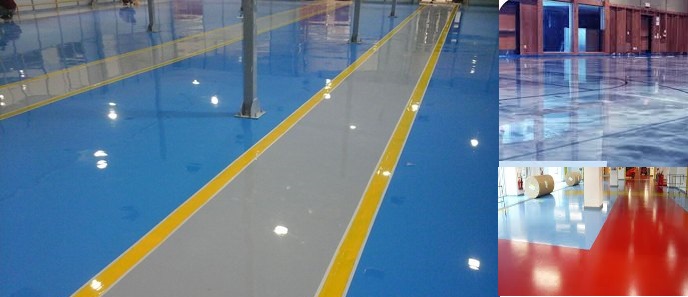
Bangladesh’s industrial sector is growing fast. Ready-Made Garments (RMG), pharmaceuticals, electronics, and food processing factories are driving economic expansion. To keep up with global manufacturing standards, companies are focusing heavily on modern infrastructure.
A critical component of this infrastructure is industrial flooring. Among the advanced solutions available today, Polyurethane (PU) Flooring has emerged as a premium, highly durable choice.It successfully meets the stringent operational demands of modern Bangladeshi industries.
What is PU Flooring?
Polyurethane (PU) flooring is a seamless, high-performance resin flooring system applied over concrete substrates. Known for its exceptional flexibility, elastic nature, and robust resistance to chemical and thermal stress, PU flooring protects structural floors while providing a clean, professional finish.
Unlike standard concrete or tiles, polyurethane screeds and coatings create an impermeable barrier that handles heavy impact, continuous traffic, and intense cleaning routines.
Why PU Flooring is Overcoming Traditional Options in Bangladesh
Historically, Bangladeshi factories relied on bare concrete, floor hardeners, or ceramic tiles. However, these traditional options frequently crack, accumulate grime in joints, or erode under chemical exposure. While epoxy flooring remains popular, PU flooring is increasingly preferred for environments experiencing extreme conditions.
1. Superior Thermal Shock Resistance
Many manufacturing plants in Bangladesh, especially food processing and cold storage facilities, experience extreme temperature variations. PU flooring can withstand severe thermal shock. High-grade PU screeds can easily tolerate temperatures ranging from -15°C to over 90°C , ensuring the floor does not crack or delaminate during hot water washdowns or steam cleanings.
2. High Flexibility and Impact Tolerance
Unlike epoxy, which is rigid, polyurethane possesses inherent elasticity. In a geologically active or shifting delta region like Bangladesh, micro-vibrations in heavy machinery or minor structural shifts can cause rigid floors to crack. PU flooring absorbs these impacts and vibrations without fracturing.
3. Comprehensive Chemical and Moisture Resistance
From the aggressive dyes used in the textile hubs of Gazipur and Narayanganj to the acidic environments of food processing plants, floors face constant chemical threats. PU flooring resists oils, organic acids, fuels, and harsh detergents, maintaining its integrity over years of exposure.
4. Flawless Hygiene and Compliance
For the expanding pharmaceutical sector (which exports to global markets under strict WHO-GMP guidelines), hygiene is non-negotiable. PU flooring is completely seamless, preventing the growth of mold, bacteria, and dust accumulation.
Key Industries Adopting PU Flooring in Bangladesh
┌────────────────────────────────────────────────────────┐
│             CORE INDUSTRIAL APPLICATIONS               │
├───────────────────┬──────────────────┬─────────────────┤
│  Pharmaceuticals  │ Food & Beverage  │ Garments (RMG)  │
│  • Cleanrooms     │ • Cold Storage   │ • Foot Traffic  │
│  • Lab Spaces     │ • Washdown Zones │ • Machine Areas │
└───────────────────┴──────────────────┴─────────────────┘
-
Pharmaceutical & Healthcare: Companies use self-leveling PU coatings in cleanrooms, laboratories, and packaging zones to maintain strict sanitary conditions.
-
Food and Beverage Processing: Because it handles both cold storage sub-zero environments and boiling water washdowns, PU flooring is highly effective in dairies, bakeries, juice factories, and fish processing units.
-
Textiles and Ready-Made Garments (RMG): Large compliance factories install PU coatings in high-traffic corridors, packaging zones, and areas where heavy trolleys operate continuously.
-
Electronics and Engineering Plants: Specialized Anti-Static (ESD) PU flooring is used in electronics assembly lines to protect sensitive components from static electricity damage.
Understanding PU Flooring Cost in Bangladesh
The investment required for PU flooring varies based on the specific requirements of the facility. Typically, market prices range from BDT 300 to BDT 1,200 per square foot .
The final cost depends on several key variables:
-
Thickness of the Coating: Applications generally range from thin coatings (1–2 mm) for light traffic to heavy-duty trowel-applied screeds (4–6 mm) for heavy industrial use.
-
Surface Preparation Needs: Old, damaged, or moisture-ridden concrete requires extensive grinding, patching, or moisture-barrier primers before the PU layer can be applied.
-
Project Size: Larger industrial facilities often benefit from lower per-square-foot rates due to economies of scale.
Step-by-Step Application Process
A successful PU floor depends heavily on proper installation.Top local applicators follow a meticulous multi-step procedure:
-
Surface Preparation: The underlying concrete must be clean, dry, and structurally sound. Technicians use shot-blasting or diamond grinding machines to roughen the surface, which ensures a strong mechanical bond.
-
Priming: A high-penetration primer is applied to seal the concrete pores and prevent air bubbles from rising into the top coats.
-
Body Coat & Screeding: For heavy-duty areas, a polyurethane screed layer is laid and troweled to the desired thickness. This layer provides core impact resistance.
-
Top Coat Application: The final UV-resistant and abrasion-resistant polyurethane layer is applied.This can be customized with matte, glossy, or anti-slip textures based on safety requirements.
Major Suppliers and Contractors in Bangladesh
The industrial flooring market in Bangladesh features both highly capable domestic applicators and world-class raw material formulations. Prominent engineering and construction chemical firms providing these services include:
-
Ducon Construction Chemicals Industries Ltd: Known for manufacturing and applying high-performance German-formulated resin systems across major industrial zones.
-
Fountech BD: A long-standing provider specializing in comprehensive industrial flooring, offering customized PU and ESD flooring options.
-
Topkrete Bangladesh: Supplies premium polyurethane systems sourced from international manufacturing hubs, focusing on heavy-duty industrial environments.
-
GreenTechs Ltd & Handitech: Recognized applicators handling major infrastructure and factory compliance upgrades nationwide.
Maintenance and Longevity
With proper care, a professionally installed PU floor lasts between 10 to 15 years , even under harsh industrial conditions.Maintenance is straightforward:
-
Conduct regular sweeping and mopping with pH-neutral industrial detergents.
-
Avoid dragging sharp, unshielded metal objects directly across the floor surface.
-
Address any deep physical gouges promptly to prevent moisture from seeping underneath the seamless barrier.
Conclusion
As Bangladeshi industries move towards greater automation and strict international compliance, basic concrete floors are no longer sufficient.Polyurethane (PU) flooring delivers the exact blend of durability, chemical resistance, flexibility, and hygiene needed to support modern manufacturing.
While the initial cost is higher than conventional tiling or basic painting, its long lifespan, low maintenance requirements, and protection against factory downtime make it a highly cost-effective choice for forward-thinking businesses in Bangladesh.