
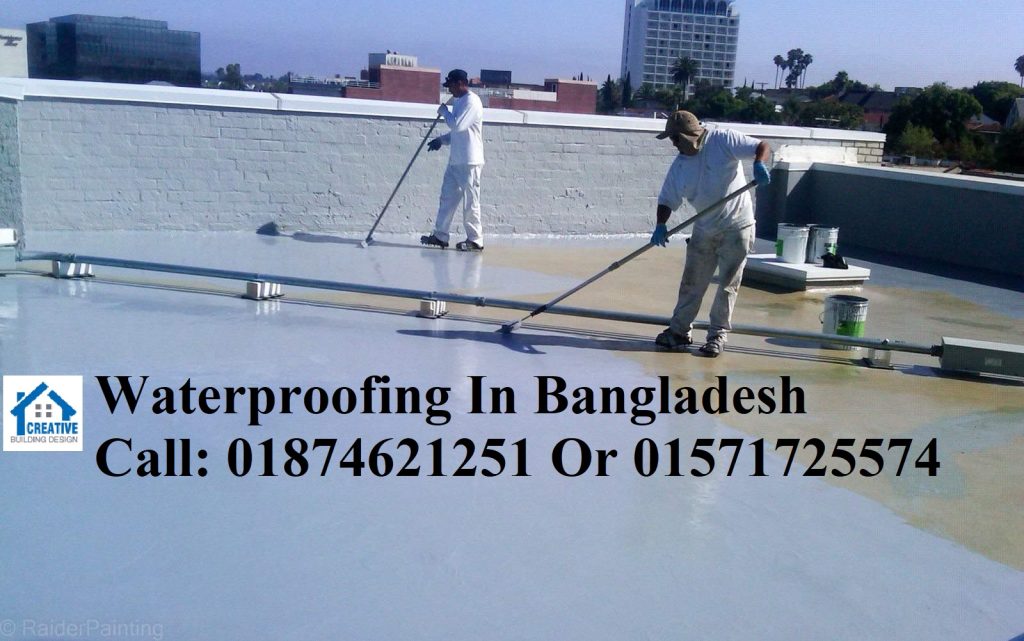
Waterproofing is an important process to protect buildings and infrastructure from the damaging effects of water. Bangladesh is a country with a high amount of rainfall and flooding, so it is important to have a good waterproofing system in place. There are many different types of waterproofing products and systems available, so it is important to choose the right one for your needs.
There are two main types of waterproofing systems: surface-based and membrane-based. Surface-based waterproofing systems are applied to the surface of the structure and act as a barrier to water. Membrane-based waterproofing systems are applied to the underside of the structure and work by creating a barrier that water cannot penetrate.
There are many different types of waterproofing products on the market, so it is important to do your research to find the right one for your needs. One important factor to consider is the climate in Bangladesh. Waterproofing products and systems that work well in other countries may not be suitable for the climate in Bangladesh.
If you are looking for a waterproofing system for your home or business in Bangladesh, you can contact creativebuildingbd. Creativebuildingbd is a leading waterproofing company in Bangladesh. We have years of experience in this field. We have a team of experts who can provide you with the best solution for your waterproofing problem.
Waterproof paint in Bangladesh:
Waterproof paint is one of the most popular waterproofing products in Bangladesh. It is easy to apply and can be used on a variety of surfaces. Waterproof paint works by creating a barrier that water cannot penetrate. Creativebuildingbd is a leading waterproofing company in Bangladesh. We offer a wide range of waterproofing products and services. Waterproof paint protects your wall and ceiling from water damage.
Waterproofing membrane in Bangladesh:
Waterproofing membrane is another popular waterproofing product in Bangladesh. It is a thin layer of material that is applied to the underside of the structure. A waterproofing membrane works by creating a barrier that water cannot penetrate.
Creativebuildingbd is a leading waterproofing company in Bangladesh. We offer a wide range of waterproofing products and services. A waterproofing membrane is an effective way to protect your building from water damage. We also offer a wide range of other waterproofing products and services, such as:
- Foundation waterproofing
- Roof waterproofing
- Basement waterproofing
- Swimming pool waterproofing
If you are looking for a waterproofing system for your home or business in Bangladesh, you can contact us. We will be happy to provide you with a free quotation.
What is waterproofing membrane?
A waterproofing membrane is a material that is used to prevent water from penetrating the surface of an object. It is often used in construction to waterproof buildings and other structures. Waterproofing membranes are made from a variety of materials, including plastic, rubber, and asphalt.
Membrane waterproofing is a type of waterproofing system that is applied to the underside of the structure. Membrane waterproofing works by creating a barrier that water cannot penetrate. Membrane waterproofing is an effective way to protect your building from water damage.
When should you use membrane waterproofing?
Membrane waterproofing should be used when you need to create a watertight seal between two surfaces. This can be useful in a variety of situations, such as keeping water out of a basement or protecting a structure from water damage. There are a few different types of membrane waterproofing, so it’s important to choose the right one for your needs. One common type is called asphaltic membrane waterproofing, which is made from bitumen and is often used on roofs.
Another type is PVC membrane waterproofing, which is made from polyvinyl chloride and is often used on walls. When choosing membrane waterproofing, it’s important to consider the climate and the environment where it will be used. For example, asphaltic membrane waterproofing is not recommended for use in hot climates because the bitumen can soften and become less effective.
PVC membrane waterproofing is a good option for hot climates, but it’s important to make sure that the PVC is compatible with the type of paint or another coating that will be used on the surface. It’s also important to consider the thickness of the membrane waterproofing. Thicker membranes are more durable and provide better protection, but they can also be more difficult to install. If you’re not sure which type of membrane waterproofing is right for your needs, it’s a good idea to consult with a professional. They can assess your needs and recommend the best option for your situation.
How apply a waterproof membrane?
If you’re looking to waterproof your home, you may be wondering how to apply a waterproof membrane. Waterproof membranes are an important part of keeping your home dry and free of water damage, and they can be applied in a few different ways. One way to apply a waterproof membrane is to roll it out and attach it to the surface you’re looking to waterproof. This can be done with adhesive or with nails or screws.
Another way to apply waterproof membrane is to spray it on. This is a good option for hard to reach areas or for areas that are already wet. Whichever method you choose, make sure you apply the waterproof membrane evenly and in a thick layer. This will ensure that your home is properly protected from water damage.
How long does waterproof membrane last?
Waterproof membranes are an important part of protecting your home from water damage. But how long do they last?
Waterproof membranes are made from a variety of materials, including asphalt, rubber, and PVC. They vary in thickness, but most are about 30 mils thick. (A mil is a thousandth of an inch.)
Waterproof membranes are designed to last a long time—30 to 50 years is typical. But several factors can shorten their lifespan, including:
- Exposure to sunlight: Ultraviolet (UV) rays can break down the materials in waterproof membranes, making them less effective over time.
- Temperature extremes: Hot weather can make the materials in waterproof membranes more brittle, while cold weather can make them more fragile.
- Chemical exposure: Some chemicals, such as cleaners and solvents, can degrade the materials in waterproof membranes.
- Physical damage: Membranes can be damaged by sharp objects or by walking on them.
If you have a waterproof membrane in your home, it’s important to inspect it regularly and repair any damage as soon as possible. This will help to extend its lifespan and keep your home protected from water damage.
How many coats of waterproof membrane should you apply?
A single coat of waterproof membrane is usually all that is needed to waterproof your home. However, if your home is in a particularly rainy or wet climate, you may want to consider adding a second coat of waterproof membrane to your home. This will help to ensure that your home stays dry and protected from the elements.
Concrete Waterproofing Company in Bangladesh
What is concrete waterproofing?
Concrete waterproofing is a type of construction that helps to prevent water from seeping into the foundation or basement of a home. There are several different ways to waterproof concrete, but the most common and effective method is to use a waterproofing sealer. This type of sealer is applied to the surface of the concrete and creates a barrier that prevents water from penetrating the concrete.
For bad weather conditions leakage of building construction or structure is a very common fact in Bangladesh. Damp surfaces attract fungus, algae, and bacteria. As a result, the building or structure becomes weaker day by day. To overcome this problem we have to waterproof concrete surfaces.
Waterproofing of concrete surfaces is a method to prevent seepage of water through the concrete. There are several methods of concrete waterproofing. The most common and effective method is to use a waterproofing sealer. This type of sealer is applied to the surface of the concrete and creates a barrier that prevents water from penetrating the concrete. There are many types of waterproofing sealers available in the market. Some of them are acrylic based, some are latex-based and some are epoxy based. Acrylic based sealers are the most popular type of sealer because they are easy to apply and they are also very effective.
Types of Waterproofing in Bangladesh:
There are eight types of waterproofing technology most used in Bangladesh. Let’s discuss this in detail:
Cementitious Waterproofing:
Cementitious waterproofing is a type of waterproofing that uses cement to create a barrier against water. This type of waterproofing is very popular in Bangladesh because it is very effective and it is also very easy to apply. Cementitious waterproofing is usually applied to the surface of the concrete using a brush or a roller. Once the cementitious waterproofing is applied, it will create a barrier that will prevent water from seeping into the concrete.
Bituminous Waterproofing:
Bituminous waterproofing is a type of waterproofing that uses bitumen to create a barrier against water. This type of waterproofing is very popular in Bangladesh because it is very effective and it is also very easy to apply. Bituminous waterproofing is usually applied to the surface of the concrete using a brush or a roller. Once the bituminous waterproofing is applied, it will create a barrier that will prevent water from seeping into the concrete.
Polyurethane Waterproofing:
Polyurethane waterproofing is a type of waterproofing that uses polyurethane to create a barrier against water. Polyurethane waterproofing is very popular in Bangladesh because it is very effective and it is also very easy to apply. Polyurethane waterproofing is usually applied to the surface of the concrete using a brush or a roller. Once the polyurethane waterproofing is applied, it will create a barrier that will prevent water from seeping into the concrete. Injection
Epoxy / PU Grouting:
PU Grouting waterproofing technology is perfect for low to medium penetration like a basement, tunnels, etc. It is a two component system. The mixed material is injected into the wet/damp concrete surface through small holes drilled into the surface. The material reacts with the concrete and forms a watertight membrane. Acrylic Base Waterproofing: Acrylic base waterproofing technology is a liquid applied waterproofing system. It is a single component system. It is easy to apply. It can be applied on a wet/damp surface. It forms a watertight membrane on the surface.
EPDM Waterproofing Membrane:
The EPDM waterproofing membrane is a rubber based waterproofing system. It is a single component system. It is easy to apply. It can be applied on a wet/damp surface. It forms a watertight membrane on the surface.
Polyurea Spray Waterproof Coating:
Polyurea spray waterproof coating is a two component system. It is sprayed on the surface. It forms a watertight membrane on the surface. forms a watertight membrane on the surface. UV resistance, colorful, and extremely durable so you can use this excellent spray without worry.
Crystalline Waterproofing:
Crystalline waterproofing technology is a chemical based waterproofing system. It is a two component system. Crystalline materials are mixed with a certain proportion of water. It is mixed and applied on the surface. It reacts with the concrete and forms a watertight membrane. Crystalline Waterproofing can be applied over a dry surface without any side effects. It is very effective in the long run without renovation or repair.
What do you mix with concrete to waterproof it?
There are a few things that you can mix with concrete to waterproof it. One popular option is to mix in a waterproofing agent when you are first preparing the concrete mixture. You can also apply a waterproofing sealer to the surface of the concrete after it has cured.
How do you waterproof exposed concrete?
Waterproofing exposed concrete can be accomplished using several different methods and materials. The most common and effective method is to apply a waterproofing sealer to the surface of the concrete. This will create a barrier that will prevent water from penetrating the concrete and causing damage. Other methods of waterproofing exposed concrete include painting the surface with waterproofing paint, applying a waterproofing membrane to the surface, or using a system of drainage and waterproofing barriers.
Cementitious Waterproofing In Bangladesh
Cementitious waterproofing is a type of waterproofing material that is made from cement and other additives. It is commonly used to waterproof concrete and masonry structures and is also used in the construction of tunnels, reservoirs, and other subterranean structures.
Cementitious waterproofing is applied as a coating to the surface of the structure and is typically applied in two or more coats. Once cured, it forms a water-resistant barrier that is resistant to water pressure and can withstand moderate hydrostatic pressure. Cementitious waterproofing is typically used in conjunction with other waterproofing materials, such as membranes, to create a more effective waterproofing system. It is also often used in combination with drainage systems to direct water away from the structure and prevent it from pooling on the surface.
What Is Cementitious Waterproofing?
Cementitious waterproofing is a type of waterproofing material that is made from cement and other Portland cement-based materials. This type of waterproofing is often used on concrete and masonry surfaces to protect them from water damage. Cementitious waterproofing is a popular choice for waterproofing because it is durable and long lasting. It is also easy to apply and can be applied to a variety of surfaces.
There are a few things to keep in mind when using cementitious waterproofing. First, it is important to make sure that the surface is clean and free of any dirt or debris before applying the waterproofing. Second, it is important to follow the manufacturer’s instructions carefully to ensure that the waterproofing is applied correctly.
Cementitious waterproof coatings:
Cementitious waterproof coatings are a type of coating that is applied to concrete or masonry to make it waterproof. The coatings are usually applied as a thin layer, and they cure to form a hard, waterproof barrier. There are many different types of cementitious waterproof coatings, and they are typically made from a mixture of Portland cement, sand, and water. Some types of coatings also contain additives that improve their performance, such as acrylics or polymers.
Cementitious waterproof coatings are typically applied with a brush, roller, or sprayer, and they can be applied to both vertical and horizontal surfaces. Once the coating is dry, it is typically covered with a layer of plastic or foil to protect it from damage. Cementitious waterproof coatings are typically used on roofs, balconies, decks, and other outdoor surfaces. They can also be used on indoor surfaces, such as bathrooms, laundry rooms, and kitchens.
Cementitious Waterproofing Advantages:
Cementitious mixture is very simple to use:
You just need to mix the cement, water, and additives to create a slurry, which can be easily applied to the surface.
It’s simple to apply:
You can apply the cementitious waterproofing mixture using a brush, roller, or sprayer. It is flexible: Cementitious waterproofing is flexible, meaning it can expand and contract without cracking or breaking.
It is cost effective:
Cementitious waterproofing is one of the most cost-effective methods of waterproofing.
It is efficient:
Cementitious waterproofing is very efficient in terms of time and labor.
Area of usage:
1. In swimming pools:
Cementitious waterproof coatings are commonly used in swimming pools, both to waterproof the structure and to provide a decorative finish. They are applied to the concrete surfaces of the pool, and then usually trowelled or sprayed with a waterproofing compound.
2. In showers:
Cementitious waterproofing is used in showers. They are applied to the concrete or tile surfaces of the shower, and then usually trowelled or sprayed with a waterproofing compound.
3. On balconies and terraces:
Cementitious waterproofing is used on balconies and terraces. They are applied to the concrete or stone surfaces of the balcony or terrace, and then usually trowelled or sprayed with a waterproofing compound.
4. In basements:
Cementitious waterproof coatings are also commonly used in basements. They are applied to the concrete surfaces of the basement, and then usually trowelled or sprayed with a waterproofing compound.
5. On roofs:
They are applied to the concrete or stone surfaces of the roof, and then usually trowelled or sprayed with a waterproofing compound.
How To Make Concrete Roof Waterproof?
One of the most important steps in waterproofing a concrete roof is to make sure that the roof is properly sloped. Without a proper slope, water can pool on the roof and eventually seep through any cracks or openings.
Another key element in waterproofing a concrete roof is to properly seal all cracks and openings. This can be done with a variety of sealants, such as silicone or urethane. It’s important to apply the sealant evenly and to follow all manufacturer’s instructions.
One final step in waterproofing a concrete roof is to install a drain system. This will allow any water that does pool on the roof to drain away, instead of sitting and eventually seeping through cracks or openings.
How to make concrete roof waterproof?
A concrete roof is a popular choice for many homeowners because of its durability and fire-resistant properties. However, concrete is a porous material, which means it can absorb water. This can lead to problems like mold and mildew growth, as well as leaks.
There are several ways to make a concrete roof waterproof. One option is to apply a waterproofing sealer to the surface of the roof. This will create a barrier that will prevent water from seeping into the concrete.
Another option is to install a drainage system on the roof. This will allow water to drain away from the concrete, preventing it from becoming saturated. If you have an existing concrete roof, you can also retrofit it with a waterproofing system. This can be done by installing a membrane over the roof or by injecting a waterproofing material into the concrete. Whatever method you choose, it’s important to make sure that the roof is properly ventilated. This will allow any moisture that does get into the roof to escape, preventing it from causing damage.
Can you seal concrete to make it waterproof?
If you have ever wondered if you can make your concrete waterproof, the answer is yes! There are several ways to seal concrete to make it waterproof. The best method depends on the type of concrete you have, the location of the concrete, and the amount of waterproofing you need.
One way to waterproof concrete is to use a waterproofing sealer. This is a clear liquid that is applied to the surface of the concrete. It penetrates the pores of the concrete and forms a barrier that prevents water from getting in. Waterproofing sealers can be applied to both interior and exterior concrete surfaces.
Another way to waterproof concrete is to use a waterproofing membrane. This is a thin layer of material that is applied to the surface of the concrete. It forms a barrier that prevents water from getting in, but it also allows the concrete to breathe. Waterproofing membranes are typically used on exterior concrete surfaces.
The best way to waterproof concrete is to use a combination of both a waterproofing sealer and a waterproofing membrane. This will provide the most complete protection against water intrusion.
How do you make concrete more waterproof?
Concrete is a popular building material because it is strong and affordable. However, one downside of concrete is that it is not naturally waterproof. This means that if concrete is not properly treated, it can absorb water and become damaged over time.
There are several ways to make concrete more waterproof. One option is to apply a waterproofing sealer to the surface of the concrete. This will create a barrier that will prevent water from seeping into the concrete. Another option is to mix a waterproofing agent into the concrete before it is poured. This will help to repel water and keep the concrete from absorbing it.
No matter which method you choose, it is important to make sure that the concrete is properly sealed and protected from water. By taking these steps, you can help to ensure that your concrete lasts for many years to come.
Is it worth it to waterproof a concrete roof?
If you have a concrete roof, you may be wondering if it’s worth it to waterproof it. The answer is yes! Waterproofing your concrete roof will extend its life and protect your home from water damage.
Waterproofing your roof will help to prevent water from seeping into your home, which can cause mold and mildew to grow. It will also protect your roof from the elements, such as wind and rain.
Concrete is a porous material, so it is important to seal it in order to prevent water from seeping in. There are many different types of sealants available, so you will need to choose one that is right for your roof.
Once you have applied the sealant, you will need to re-seal it every few years to ensure that it remains effective. This is a relatively easy and inexpensive process, so it is definitely worth it to waterproof your concrete roof.
Which is the best membrane for roof slab waterproofing?
There are many factors to consider when choosing the best membrane for roof slab waterproofing. The most important factor is the climate. If the climate is hot and humid, then a membrane that is resistant to mold and mildew is a must. Another important factor is the amount of sunlight that the membrane will be exposed to. If the membrane will be exposed to a lot of sunlight, then a UV resistant membrane is a must. Other factors to consider include the thickness of the membrane, the type of adhesive used, and the price.
How To Waterproof Concrete Wall?
Waterproofing concrete walls is a necessary step to take in order to prevent water damage. There are a few different methods that can be used to waterproof concrete walls, and the best method to use will depend on the specific situation.
One common method of waterproofing concrete walls is to apply a waterproofing sealer. This type of sealer creates a barrier that prevents water from penetrating the concrete. Waterproofing sealers are available in both clear and pigmented formulations, and they can be applied with a brush, roller, or sprayer.
Another option for waterproofing concrete walls is to install a waterproofing membrane. This type of membrane is a thin layer of material that is applied to the surface of the concrete. Waterproofing membranes are available in both sheet and liquid form, and they can be applied with a brush, roller, or sprayer.
yet another common waterproofing method is to install an impermeable barrier. This type of barrier is a layer of material that is placed over the concrete. Impermeable barriers are available in both sheet and liquid form, and they can be applied with a brush, roller, or sprayer.
No matter which waterproofing method is used, it is important to make sure that the concrete is clean and dry before waterproofing is applied. Any dirt, grease, or other contaminants on the surface of the concrete will prevent the waterproofing from bonding properly. Once the concrete is clean and dry, the waterproofing can be applied according to the manufacturer’s instructions.
How to make concrete waterproof?
One way to waterproof concrete is to use a sealer. There are many types of sealers available, so be sure to select one that is appropriate for your project. Generally, it is best to use a sealer that is compatible with the type of concrete you are using.
Another way to waterproof concrete is to use a waterproofing membrane. Waterproofing membranes are placed on top of the concrete and act as a barrier to water.
There are many other ways to waterproof concrete, so be sure to do some research to find the best method for your project.
Is perlite concrete waterproof?
Perlite concrete is a lightweight, insulating concrete that is commonly used in construction and gardening applications. While it is not technically waterproof, it is highly resistant to water and moisture. This makes it an ideal choice for applications where water resistance is desired, such as in foundations, walls, and roofs.
Why choose perlite concrete?
There are many reasons to choose perlite concrete over other types of concrete. Some of the most notable benefits include:
- Perlite concrete is much lighter than traditional concrete, making it easier to work with and transport.
- Perlite concrete has excellent insulating properties, making it ideal for use in energy-efficient construction.
- Perlite concrete is highly resistant to water and moisture, making it an ideal choice for wet or moist applications.
- Perlite concrete is fire resistant and does not emit toxic fumes when burned, making it a safer choice for use in fire-prone areas.
If you are looking for lightweight, insulating concrete that is resistant to water and moisture, perlite concrete is an excellent choice.
Do I need to waterproof concrete floor before tiling?
If your concrete floor is in good condition, and you don’t anticipate any water exposure, then you probably don’t need to waterproof it before tiling. However, if you’re not sure, or if you want to err on the side of caution, then it’s probably a good idea to waterproof your concrete floor before tiling.
What is the Importance waterproof concrete floor before tiling?
Waterproofing your concrete floor before tiling is important because it will help to prevent water from seeping through the cracks in the concrete and damaging your tile floor. Water can cause tiles to crack, loosen, or even come completely off the floor, so it’s important to keep it from coming into contact with your tile flooring.
How to waterproof concrete floor before tiling?
There are a few different ways that you can waterproof your concrete floor before tiling. One option is to use a waterproofing sealer, which you can apply to the surface of the concrete. Another option is to use a waterproofing membrane, which you can place over the concrete before tiling.
Which option is best for waterproofing concrete floor before tiling?
The best option for waterproofing your concrete floor before tiling will depend on the condition of your concrete and the level of water exposure that you anticipate. If you’re not sure, or if you want to err on the side of caution, then using a waterproofing membrane is probably the best option.
Is drylok concrete floor paint waterproof?
Drylok concrete floor paint is a waterproof paint that can be used on both interior and exterior concrete surfaces. This product is ideal for garages, basements, and other areas where water and moisture are present. Drylok concrete floor paint is available in a variety of colors and can be applied with a brush, roller, or sprayer. It is a great choice for those who want to protect their concrete floors from water damage.
Is Concrete Waterproof?
When it comes to concrete, the answer is not always clear. Waterproofing concrete is a complex process that involves adding a sealer to the surface to prevent water from seeping in. However, even the best sealer won’t make concrete 100% waterproof. Many factors can affect the waterproofing of concrete, such as the porosity of the concrete, the type of sealer used, the climate, and the amount of water exposure.
One of the most common questions we get asked is whether concrete is waterproof. The answer is both yes and no. While concrete is a very strong and durable material, it is not completely impervious to water. Water can seep into the concrete and cause problems over time, such as cracking, spalling, and deterioration. That’s why it’s important to use a waterproofing sealer on concrete to help protect it from water damage.
There are two types of waterproofing sealers: film-forming and penetrating. Film-forming sealers form a barrier on the surface of the concrete that prevents water from seeping in. Penetrating sealers penetrate the concrete and form a water-resistant barrier within the pores. Both types of sealers are effective at waterproofing concrete, but film-forming sealers provide the best protection.
When choosing a waterproofing sealer, it’s important to consider the porosity of the concrete. The more porous the concrete, the more likely it is to absorb water. If the concrete is very porous, a penetrating sealer may be the best option. If the concrete is only slightly porous, a film-forming sealer may be sufficient.
It’s also important to consider the climate when choosing a waterproofing sealer. If the concrete will be exposed to harsh weather conditions, such as freezing temperatures or intense sunlight, a film-forming sealer is the best option. If the concrete will be in a more moderate climate, a penetrating sealer may be sufficient.
The amount of water exposure is another important factor to consider when choosing a waterproofing sealer. If the concrete will be regularly exposed to water, such as in a pool deck or patio, a film-forming sealer is the best option. If the concrete will only be exposed to water occasionally, such as in a garage or basement, a penetrating sealer may be sufficient.
No matter what type of waterproofing sealer you choose, it’s important to follow the manufacturer’s instructions carefully. Applying the sealer incorrectly can result in reduced protection or even damage to the concrete. If you’re not sure how to apply the sealer, ask a professional for help.
With proper care and maintenance, concrete can last for many years. However, it’s important to remember that concrete is not completely waterproof. Water can still seep into the concrete and cause problems over time. That’s why it’s important to use a waterproofing sealer on concrete to help protect it from water damage.
How to waterproof concrete?
Waterproofing concrete is a necessary step in protecting this durable material from the elements. There are a few different methods that can be used to waterproof concrete, and the best method for a particular application will depend on the specific needs of the project. One common method for waterproofing concrete is to apply a sealer to the surface of the concrete. This can be done with a brush, roller, or sprayer, and the sealer will form a barrier that will prevent water from penetrating the concrete. Another method for waterproofing concrete is to coat the surface with a waterproofing membrane. This type of membrane is applied as a liquid and will cure to form a durable, waterproof barrier.
When should I use waterproof concrete?
There are many types of concrete mixes on the market today. So, when should you use a waterproof concrete mix? The answer may surprise you.
First, let’s define what waterproof concrete is. Waterproof concrete is a type of concrete that has been treated with a water-repellent agent. This agent causes the concrete to become less permeable, so that water will not seep through the concrete and cause damage.
Waterproof concrete is often used in construction projects that require concrete that will be exposed to water or moisture, such as in bathrooms, kitchens, and laundry rooms. Waterproof concrete is also used in outdoor projects where there is a risk of rain or snow, such as patios, walkways, and driveways. Now that we know what waterproof concrete is, let’s talk about when to use it.
If you are working on a construction project that will be exposed to water or moisture, then you should use a waterproof concrete mix. This will help to protect your project from water damage.
If you are working on an outdoor project where there is a risk of rain or snow, then you may want to consider using a waterproof concrete mix. This will help to protect your project from weather damage.
So, there you have it. These are just a few of the times when you should use a waterproof concrete mix. If you have any questions about using waterproof concrete, be sure to ask your concrete supplier.
How to waterproof concrete floor?
Assuming you would like tips on how to waterproof a concrete floor:
1. Inspect the floor for cracks or holes. Repair any cracks or holes with hydraulic cement.
2. Spread a generous amount of waterproofing sealer on the floor with a paint roller.
3. Allow the sealer to dry for the amount of time specified on the product label.
4. Apply a second coat of sealer, if desired.
5. Allow the floor to dry completely before walking on it or placing furniture on it.
Rooftop Waterproofing In Bangladesh
Rooftop waterproofing in Bangladesh is a process that is used to prevent water from entering a building through the roof. This process is important in Bangladesh because of the high amount of rainfall that the country experiences. Rooftop waterproofing can be accomplished by using a variety of materials, such as asphalt, tar, rubber, and plastic.
Why Rooftop Waterproofing Is Important?
Rooftop waterproofing is one of the most important aspects of commercial roofing. A properly waterproofed roof will protect the building from water damage, extend the roof’s lifespan, and improve energy efficiency.
Waterproofing is a vital step in the roofing process because it prevents water from seeping into the building and causing damage. Water can cause the roof to rot, mold to grow, and structural damage to occur. It is important to waterproof the roof as soon as possible after the roof is installed to prevent these problems from occurring.
There are two main types of rooftop waterproofing: membrane and coating. Membrane waterproofing is a continuous layer of material that is applied to the roof and seals it from water. Coatings are applied in a thicker layer and provide a barrier against water. Both types of waterproofing are effective at protecting the roof, but coatings tend to be more durable and last longer.
Rooftop waterproofing is an important aspect of commercial roofing because it protects the building from water damage, extends the roof’s lifespan, and improves energy efficiency.
How Is Rooftop Waterproofing Done?
Rooftop waterproofing is done by applying a waterproofing material to the surface of the roof. This material will form a barrier that will prevent water from entering the building. The type of waterproofing material that is used will depend on the type of roof and the climate. Asphalt, tar, rubber, and plastic are all common materials that are used for rooftop waterproofing.
When Should Rooftop Waterproofing Be Done?
Rooftop waterproofing should be done when the roof is first installed. It can also be done at any time if there are signs of water damage, such as leaks or damp spots. Rooftop waterproofing is a preventative measure that will help to protect the building from water damage.
Rooftop waterproofing is necessary as soon as possible after noticing leaks or other water damage. However, many people wait to waterproof their roofs until they experience significant leaks or water damage. By then, the damage may be extensive and require expensive repairs. It is best to waterproof a roof before leaks or water damage occurs. This can be done during new construction or during a roof replacement. Waterproofing a roof will extend its life and prevent costly repairs.
How Much Does Rooftop Waterproofing Cost?
The cost of rooftop waterproofing will vary depending on the size of the roof and the type of materials that are used. Generally, the cost of rooftop waterproofing is between 60 and 80 tk per square foot.
Which waterproof is best for roof?
There are a few things to consider when choosing the best waterproofing for your roof. The first is the climate. If you live in an area with a lot of rain, you’ll want to choose waterproofing that can withstand a lot of moisture. The second is the type of roof you have. If you have a flat roof, you’ll want to choose waterproofing that is specifically designed for that type of roof. The third is the budget. There are a variety of waterproofing on the market, so you’ll want to choose one that fits your budget.
Which is the best waterproofing solution for terrace?
There are many different waterproofing solutions for terraces, and it can be difficult to determine which one is best for your needs. Some factors to consider include the climate in which you live, the amount of rainfall your terrace receives, and the amount of sun exposure it gets. You will also need to decide if you want a temporary or permanent solution.
If you live in an area with a lot of rainfall, you will need a waterproofing solution that can withstand a great deal of water. A good option for this is a waterproofing membrane. This can be applied to the surface of your terrace and will create a barrier that will keep water from seeping through.
If you do not get a lot of rainfall, but your terrace is still exposed to a great deal of sun, you will need a waterproofing solution that can reflect the heat. A good option for this is a waterproofing paint.
This can be applied to the surface of your terrace and will create a barrier that will reflect the heat of the sun.
If you are looking for a temporary waterproofing solution, you can use a tarp. This can be placed over your terrace when it is not in use and will protect it from the elements. If you are looking for a permanent waterproofing solution, you can have your terrace professionally waterproofed. This is a more expensive option, but it will provide you with a long-lasting waterproof barrier.
Which coating is best for roof?
There are many different types of roof coatings available on the market today. So, which one is the best? The answer to that question depends on a number of factors, including the type of roof you have, the climate you live in, and your personal preferences.
For example, if you live in an area with a lot of sun and heat, a white or light-colored coating will reflect the light and help keep your home cooler. On the other hand, if you live in a cold climate, a dark-colored coating will absorb the sun’s heat and help keep your home warm.
There are also coatings available that are specifically designed for metal roofs, asphalt roofs, and even flat roofs. So, be sure to choose a coating that is compatible with the type of roof you have. Finally, be sure to read the instructions carefully before applying any roof coating. This will help you ensure that the coating is applied correctly and that it will adhere to your roof properly.
Conclusion:
There are a number of reasons why floor waterproofing in Bangladesh is so important. The country experiences a large amount of rainfall each year, which can damage roofs and cause leaks. In addition, the hot, humid climate can also lead to problems with mold and mildew. Waterproofing your roof can help to protect your home from water damage and keep it looking its best.