
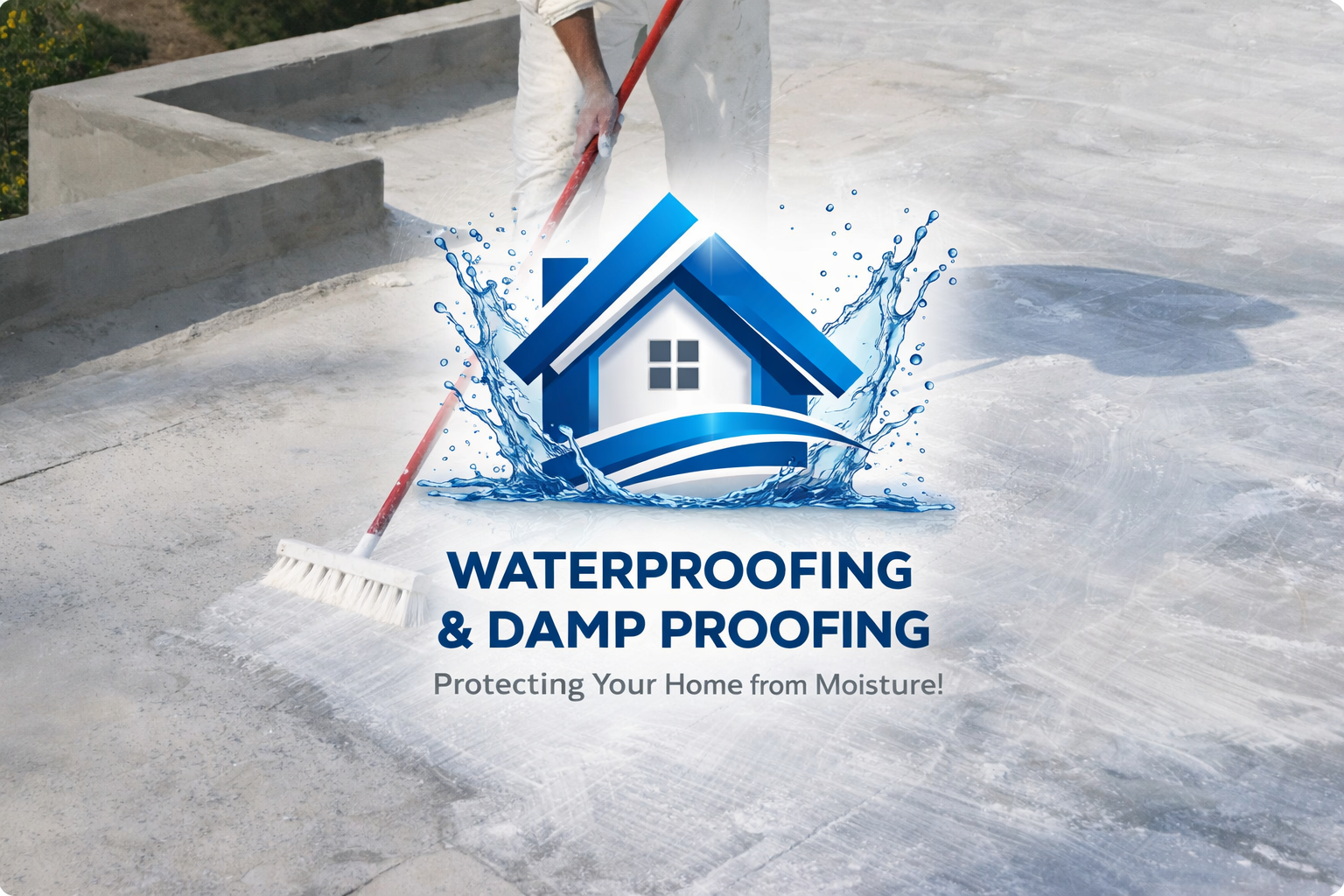
Waterproofing refers to the process of making an object or structure resistant to the penetration of water. It involves the application of various materials, techniques, and methods to prevent water from seeping into the surface or interior of a structure. Waterproofing is commonly applied to buildings, roofs, basements, decks, foundations, tunnels, and other structures that are exposed to moisture or water.
The primary purpose of waterproofing is to protect the structure from water damage, which can cause a wide range of problems such as leaks, mold growth, deterioration of materials, and structural instability. By preventing water intrusion, waterproofing helps maintain the integrity and longevity of buildings and structures.
Best Waterproofing & Damp Proofing Company In Bangladesh
By using waterproofing method make an object, surface, or structure waterproof. Waterproofing is the easy and fast way make any object water resistant. Waterproofing chemicals mostly used in underwater construct because of keep structure dry from water.
Damp proof used to resistant water from damp area and roof. Comparing with our country weather condition damp proof mostly used in rainy season. Because this reason badly damp walls, roof if this area not protected properly.
On The other hand tar or pitch waterproof used in boat and ship bottom side. Sometimes used in indoor swimming pool, overhead tank.
May be everyone have dream to build their dream house. Sometimes after building home specific common problem create problems. Suddenly damp roof, walls are such specific problems. If you ever face such bad experience Creativebuilding is with you. We solve your waterproofing problem within few hours. We have experience engineer and team member to solve your problem without an hassle.
What Is Waterproofing?
Waterproofing is a process of making a object or building impervious to moisture or water-resistant . It can be achieved through materials, construction techniques or even paint. It helps reduce moisture or water damage from the ground. There are many different ways to to make an object waterproof. One way is to apply a waterproof coating. A coating is applied over damage surface to prevent water damage.
Sometimes the structure is waterproofed with the help of materials that prevent water from entering. This is usually achieved by using drywall, concrete or stone. Waterproofing is also achieved by using techniques that are applied plaster or concrete. Waterproofing is also included in the process of sealing and filling cracks. A building can be designed to be waterproofed with an appropriate roof system, which has a waterproof membrane on top of the roof to protect the interior from moisture.
What to try and do before Waterproofing in Bangladesh a Roof?
Before waterproofing a roof in Bangladesh, it is important to take a few essential steps to ensure the effectiveness and longevity of the waterproofing process. Here are some tasks you should consider:
Clean the roof:
Start by thoroughly cleaning the roof surface to remove any dirt, debris, moss, or algae. Use a broom or brush to sweep away loose particles and then wash the roof with water and a mild detergent if necessary. This step helps in achieving a clean and smooth surface for the waterproofing material to adhere properly.
Inspect for damage:
Carefully inspect the roof for any signs of damage such as cracks, holes, or loose tiles. Repair any existing issues before proceeding with the waterproofing. Addressing these problems beforehand ensures that the waterproofing membrane will be applied to a structurally sound surface, preventing leaks and further damage.
Prepare the surface:
After cleaning and repairing, it’s important to prepare the surface for waterproofing. This may involve removing any existing coatings, paints, or sealants that could hinder the adhesion of the waterproofing material. Ensure the surface is dry before applying the waterproofing solution.
Choose the right waterproofing material:
Select an appropriate waterproofing material based on your roof type, budget, and specific requirements. Common options include liquid-applied membranes, bituminous coatings, acrylic-based coatings, or polyurethane-based coatings. Consider consulting with a professional or expert in the field to help you choose the best option for your roof.
Apply primer if necessary:
Depending on the type of waterproofing material being used, applying a primer may be recommended. A primer helps improve adhesion and ensures the waterproofing material bonds properly with the roof surface. Follow the manufacturer’s instructions for applying the primer and allow it to dry before proceeding.
Apply the waterproofing material:
Follow the manufacturer’s instructions for applying the selected waterproofing material. Use appropriate tools such as brushes, rollers, or spray equipment to ensure even coverage. Apply multiple coats if necessary, allowing each layer to dry before applying the next.
Perform a quality check:
Once the waterproofing material has been applied, inspect the roof surface for any missed spots or uneven application. Rectify any issues before the material cures or dries completely.
Maintain regular inspections:
After waterproofing, continue to regularly inspect the roof for any signs of damage or wear. Perform routine maintenance to extend the lifespan of the waterproofing system.
Keep in mind that the process may vary depending on the specific roof type, condition, and the chosen waterproofing solution. It’s always recommended to consult with a professional waterproofing contractor who can provide guidance and expertise tailored to your roof’s needs.
Why Waterproof Coatings Fail?
Poor surface preparation:
Inadequate surface preparation is one of the leading causes of waterproof coating failure. If the surface is not cleaned, repaired, or primed properly, the coating may not adhere well to the substrate, resulting in poor waterproofing performance.
Improper application:
Incorrect application techniques can lead to coating failures. Applying the coating too thick or too thin, not following the manufacturer’s instructions regarding temperature and humidity conditions, or failing to achieve proper coverage can all affect the coating’s performance.
Incompatible materials:
Using incompatible materials in the waterproofing system can cause failure. For example, if the primer, coating, and topcoat are not compatible or if different types of coatings are layered improperly, it can result in delamination, reduced adhesion, or other performance issues.
Insufficient drying or curing time:
Insufficient drying or curing time can compromise the integrity of the waterproof coating. If the coating is exposed to moisture, foot traffic, or other stressors before it has fully dried or cured, it may not develop the necessary strength and waterproofing properties.
Substrate movement or settlement:
Buildings and structures can experience movement or settlement over time due to factors such as temperature changes, settling soil, or structural shifts. If the waterproof coating does not have sufficient flexibility or elongation properties to accommodate these movements, it can crack or develop gaps, leading to water infiltration.
Mechanical damage:
Waterproof coatings can be damaged during construction or subsequent maintenance activities. Impact from heavy objects, sharp tools, or abrasion can cause punctures, cuts, or tears in the coating, compromising its waterproofing capabilities.
Environmental factors:
Exposure to harsh weather conditions, UV radiation, extreme temperatures, chemical exposure, or pollutants can degrade waterproof coatings over time. The coating may become brittle, discolored, or weakened, reducing its effectiveness.
Aging and deterioration:
Over time, all materials degrade due to aging processes. The protective properties of waterproof coatings may diminish, leading to a gradual decline in their ability to prevent water penetration.
To avoid waterproof coating failures, it is crucial to select high-quality materials, follow proper application procedures, ensure adequate surface preparation, and consider environmental factors and potential substrate movements. It’s recommended to consult with professionals or experts in waterproofing to ensure the correct selection and application of the coating for your specific project requirements.
Types Of Waterproofing:
There are many different ways to waterproof a structure. These are some of the most common methods:
1. Cementitious waterproofing
2. Liquid waterproofing membrane
3. Bituminous coating waterproofing
4. Bituminous membrane waterproofing
5. Polyurethane liquid membrane
6. Injection Grouting Waterproofing
7. Polyurethane Liquid Membrane
8.EPDM Waterproofing Membrane
1. Cementitious waterproofing:
It is applied with cementitious material such as concrete or grout. This is an effective way to make a structure waterproof at very low cost. However this is only suitable for damp problems like seepage, toilets & areas not exposed to sunlight. It is not effective in preventing waterfall damage.
2. Liquid waterproofing membrane:
This is a waterproofing material that is applied with spray, roller, or trowel. It can be applied to metal, wood, concrete and masonry. It is a perfect choice for damp areas such as basements, attics and roofing materials. This is usually used in building improvement.
3. Bituminous coating waterproofing:
It is a thin coating on concrete and similar materials which is applied over the substrate with a brush or rollers, which gives it resilience and water resistance. This type of material does not give protection from internal dampness but does protect from external dampness like rain water seeping through mortar joint, woodwork and joints between the surface of wall and the roof. Bituminous coatings most used are under wet bolts and concrete foundations. But remember bituminous coating brittle when exposed to sunlight.
4. Bituminous membrane waterproofing:
Bituminous waterproofing used on low sloping roofs. Bituminous membranes are manufactured from bituminous material such as coal tar pitch or asphalt shingles, and , polymer. Apply outdoor development of construction site. This waterproofing membrane is applied on the outside of building; it is not waterproofed inside.
5. Polyurethane liquid membrane:
This type of material has help waterproofing building siding, roofs and other exposed surface materials. Waterproofing the surface area of wall, this waterproofing can be permanent or temporary. Once applied it must be handled with care to avoid damage to the material. It is waterproofed most commonly by spray and trowel.
6. Injection Grouting Waterproofing:
This waterproofing method is used to close up the joints in concrete structures. It will help in preventing water seepage into the concrete structures. This is a permanent and long lasting method of waterproofing basement floors or walls, and other parts of concrete structures that are made up of bricks, blocks or stone. The waterproofing is a bonding agent that is injected into the joints of existing concrete walls.
7. Polyurethane Liquid Membrane:
This is a coating that is applied over metal with a spray or roller. It can also be applied to metal with high thermal resistance and low porosity like aluminum. This type of waterproofing membrane has good water resistance, can be used in wet locations such as bathrooms, and anywhere where there are potential moisture problems such as roofs and basement floors.
8. EPDM Waterproofing Membrane:
EPDM is a rubber-like synthetic material with high elasticity and toughness. It is applied to tile, wood and masonry surfaces with a trowel or spray. The material can be used for both interior and exterior construction areas such as swimming pools, driveways, roofs and walls. This is non-porous material which means it will keep the water from penetrating through it .
We Offer Also Bellow Waterproofing Coating
Elastromeric coating:
Elastomeric coating is the popular and most used waterproofing coating. It’s the safe, durable and suitable for all types of structure. Like paint and primer you can be applied this coating in any surface. Elastomeric coating is the perfect for damp area it’s 6 times thicker than normal painting.
Silicone Sealant:
Silicone sealant is the another popular waterproofing product mostly used over concrete. Silicone coating used in crack surface and joint of floors. It’s able to fill up 0.6 cm crack in any surface without any interruption. It’s also used as adhesive substances.
Membrane Waterproofing:
Membrane coating popular and suitable for large construction uses. While need to construct any structure under water use membrane waterproofing.
Advantages Of Waterproofing:
- Waterproofing is prevent to grow mold and mildew.
- Stops water from coming in contact with the surfaces. Reduce water damage from plumbing leaks and prevent rotting of wood.
- prevents seepages from the ceiling and walls
- Prevent moisture damage to furniture or floorings placed inside the building.
- Increases the life span of buildings.
- Prevents the formation of cracks on the concrete floor.
- The appliance is easy.
- It will increase the lifetime of a solid construction.
- It prevents corrosion of reinforcement.
- Decrease the humidity of the room.
- It can be used for construction industry such as roofing, garage, doors, etc.
- It can used in swimming pools and small aquariums.
When Should You Use Waterproofing?
You should use waterproofing material when you have a leakage problem in a building. Waterproofing gives protection against moisture penetration. A lot of people are confuse what is waterproofing and what is not; there are some basic questions to ask before you decide to use waterproofing products.
I. Do you have a leakage problem?
Ask yourself if you are having a problem with the water of your pipes and sewers? If yes, then waterproofing is the proper solution. You can check out any building that is damaged because of flooding, moisture and irregular temperature.
II. Is your building already damaged by water?
You should also check it if you have already experienced problems with water. Waterproofing will prevent any additional damage on your building that might due to moisture penetration. After a flood, you might experience issues such as water damage, moss growth, and some types of corrosion.
III. Are you building located in places where door and windows are not open?
If there is no exposure to sunlight, using waterproofing will be really helpful to prevent mold from growing inside your house. One thing that will make a difference is that if you are keeping the doors and windows closed all the time.
IV. Is the place not exposed to dirt?
You should also think about what type of materials are being used in your house. If it is made up of wood or tile, you should consider the possibility of having mold and mildew growing there. Always keep in mind that quality and durability are important when it comes to waterproofing materials. You should note that different materials can be used with different types of buildings; you need to try out different types of products to get the best results.
What Are Characteristics Of Good Waterproofing Material?
A good waterproofing material must have some important characteristics to make your house watertight, such as:
- Long lasting – the material should last for a long time; you wouldn’t want to apply it again and again.
- Easy application – it should be easy to apply since you would need to do it yourself.
- It shouldn’t be hard to find or expensive – you shouldn’t spend too much of your money on waterproofing especially if you are a beginner at this kind of procedure.
- Should be able to withstand rain, wind, and other elements – it should withstand any type of weather that might happen at your place.
- Does not stain the materials – you don’t want the material to stain your clothes or furniture when you accidentally splashed some water on them.
- Should be easily washed – it can be rinsed by water so you don’t have to worry about stains, marks or damages it can cause on the surfaces where it is applied
- Enough tough remove – if you want to remove it, it should not easily come off.
- It should not cause some allergic reactions – there are products that can cause some allergic reactions to your skin or eyes and in this case waterproofing is not an option.
- It should enhance the quality of the material you are using – waterproofing is an extra help for the materials that you are using, so read the instructions carefully on how to apply it properly.
- Should have the right color – you don’t want it to be overpowering or not blend with your design; you could use various colors to make it look better.
What Should You Do Before Waterproofing?
- Check the area – some areas of the house are more prone to leakage, so you need to check those areas first.
- Determine the type of materials – you should know the type of material that would work best for your house; there are various types of waterproofing materials in the market so you need to know which one will do best for your building.
- Consider the design – some waterproofing materials only work when you apply it on the walls, while others can be applied on corners, ceilings or other areas of the building.
- Determine how many layers you need to apply – how much layers will you need in your building? There are various types of waterproofing materials which come with different ways or foams and how thick they are; you also need to consider whether a stronger material is necessary or not.
- Clean the area – if there are stains, marks or damages in the wall, you need to make sure that is clean before you start applying materials.
- Protect the stuff inside your house – you have to protect your furniture and belongings against possible damages that might due to leakage problem; you can use old newspapers and plastic film to cover tables and chairs inside your house.
- Cover window and doors with plastic film – you should always cover the windows inside your house to avoid moisture coming from outside.
- Avoid any activities that could cause damage to the building – you should not do any activity that could cause damage to your building such as painting or other DIY projects.
- Know the products you are using – it is essential that you try out different types of waterproofing material and know how they work, so ask for help if this is your first time to apply a new material.
- Check that the material you are using is suitable for your building – some materials can be difficult to remove, while others are more suitable for different types of structures; always find out the best material and follow the instructions on how to use it properly.
How Long Should Waterproofing Last?
Waterproofing membranes should last at least ten years if you properly apply. If you are on a tight budget, you can choose to use the less expensive products that would last for only three or five years.
The most expensive material tends to last longer than the less expensive one but it is also more expensive. It will cost you a lot of money at the start to use a least expensive material, but if you get it installed properly, it can last for up to a decade.
A cheap alternative could be to buy a new building instead of repairing your current one which can be costly too. What you need to do is to keep your house waterproofed, no matter how many years it has gone. In order to effectively maintain the waterproofing material, you should use the right tools and materials to avoid causing damages.
If you care about your home, then you should waterproof it because it would not only help you save money in repairs but it can also prevent health problems and damage. You can still have a wonderful life even if you are going through financial problems because there are various ways to earn money, but if you already have a house that is not waterproofed properly, it would not be able to withstand the elements anymore.
How Can Waterproofing Help Me?
It can help you enjoy a happy family life and avoid leaks that may cause damage to your furniture (paintings and decorations).
- It can help you avoid having to hire a professional to do the repairs because you can do it yourself; you need to take care of it properly.
- It can make your home look more attractive and modern with the design you have in mind, while giving your walls a protective layer that helps to ensure the protection of your property and your belongings inside.
- Waterproofing can help you save on energy bills by reducing the amount of water loss from your house and this will lower the cost of heating and cooling.
Having to waterproof your home is an investment that you can live without and what makes it easier is if you hire a professional help with the services. Just make sure that you know how to choose the waterproofing material that will work best for your house, so ask for help from a friend or colleague if this is your first time to do it.
Best Waterproofing Applications for Your Flat Roof
This is why it is essential to ensure that your flat roof is properly waterproofed to protect your property from the elements. There are several different waterproofing options available for flat roofs, and the best option for your property will depend on several factors, including the climate, the location of the roof, and the type of roofing material.
Here are a few of the most common waterproofing options for flat roofs:
1. TPO roofing membrane:
TPO (thermoplastic polyolefin) is a single-ply roofing membrane that is made from a combination of polypropylene and ethylene-propylene rubber. It is a flexible and durable option that is resistant to UV rays, tears, and punctures.
2. PVC roofing membrane:
PVC (polyvinyl chloride) is a synthetic plastic that is used in a variety of applications, including roofing. PVC roofing membranes are made from a solid sheet of PVC that is then coated with a UV-resistant resin. PVC roofing is a durable and long-lasting option that is resistant to fire, wind, and punctures.
3. EPDM rubber roofing:
EPDM (ethylene propylene diene monomer) is a synthetic rubber that is commonly used in roofing applications. It is a flexible and durable material that is resistant to fire, wind, and UV rays.
How much do the 3 best waterproofing applications for a flat roof cost?
When it comes to flat roofs, one of the most important considerations is waterproofing. After all, a flat roof is essentially a large, flat surface that is exposed to the elements, so it is vital to make sure that it is properly protected from water damage. Several different waterproofing applications can be used on flat roofs, and the cost of each will vary depending on the specific product and the size of the roof.
However, in general, the costs of waterproofing a flat roof can range from a few hundred dollars to several thousand dollars. Of course, the best way to get an accurate estimate of the cost of waterproofing your flat roof is to consult with a professional roofing contractor. They will be able to assess your roof and recommend the best waterproofing solution for your specific needs.
How do you seal a flat roof membrane?
It is important to seal a flat roof membrane to prevent water damage and leaks. There are several ways to seal a flat roof membrane, including using a sealant or tape. Sealants are typically applied to the seams of the roofing material to create a water-tight barrier. Tape can also be used to seal seams and joints.
When using tape, be sure to use tape that is designed for use on roofs, such as butyl tape. In addition to sealing the seams, it is also important to seal any penetrations in the roof, such as pipes and vents. This can be done with sealant or flashing.
Flashing is a metal or plastic material that is placed over the penetration and then sealed. Once the roof is sealed, it is important to inspect it regularly for any signs of leaks or damage. If you see any damage, be sure to repair it immediately to prevent further damage.
Is liquid rubber good for flat roofs?
Liquid rubber is a popular choice for flat roofs because it is easy to apply, provides a seamless waterproof barrier, and is long-lasting. Liquid rubber can be applied to most roofing substrates, including metal, asphalt, and concrete. It is also UV-resistant and can withstand extreme temperatures, making it ideal for use in harsh climates.
Acrylic Roof Coating Waterproofing
Roof Acrylic Coating:
If you are looking for a roof coating that will provide you with superior protection against the elements, then you should consider using a roof acrylic coating. This type of coating is designed to resist the growth of moss and algae, and it also helps to prevent the formation of ice dams. Acrylic coatings are also highly resistant to ultraviolet light, so they will not fade over time.
When applied to your roof, an acrylic coating will create a barrier that will repel water and prevent the growth of mold and mildew. This type of coating is also very effective at reflecting heat, so it can help to keep your home cooler in the summer months.
If you are concerned about the environment, then you will be happy to know that an acrylic roof coating is a very green option. This type of coating is made from recycled materials, so it is an environmentally friendly choice. If you are looking for a roof coating that is both durable and attractive, then you should consider using an acrylic roof coating. This type of coating is available in a variety of colors, so you can choose the one that best compliments you are home.
Acrylic elastomeric roof coating:
Acrylic elastomeric roof coatings are a type of roof coating that is applied in a thick, viscous layer and dries to a solid, rubbery finish. These coatings are designed to provide a waterproof barrier that will protect the underlying roof surface from weather damage. Acrylic elastomeric coatings are typically white in color, but can also be found in clear, tinted, and reflective formulas. These coatings are applied using a roller or brush and can be applied to most types of roofing materials, including asphalt shingles, metal roofs, and concrete. Acrylic elastomeric roof coatings typically have a lifespan of 10-15 years but can last longer with proper maintenance.
Advantages of Acrylic Roof Coating:
1. Higher tensile strength and tear resistance.
2. Eco-friendly.
3. Excellent resistance to heat, cold, and UV radiation.
4. Good flexibility, making it ideal for roof coatings.
5. Acrylic roof coatings reflect sunlight, reducing heat transfer and saving energy.
6. They are also easy to apply and can be tinted to match the color of the roof.
Area of usage:
Acrylic vs silicone roof coating:
If you are considering having your roof coated, you may be wondering what material to choose for the job. There are two main types of roof coatings: acrylic and silicone. Both have their pros and cons, so it is important to understand the difference between the two before making a decision.
Cost:
Silicone coatings price is generally high than Acrylic. But both smooth and more attractive than any normal paint.
Longevity:
Silicone coatings typically last much longer than acrylics. They can last up to 20 years, while acrylics only last around 5-10 years.
Reflectivity:
Both acrylic and silicone coatings reflect sunlight, but silicone coatings reflect more. This can help keep your home cooler in the summer, which can save on energy costs.
Stability:
Silicone coatings are more stable in UV light than acrylics. This means that they are less likely to fade or degrade over time.
Durability:
Silicone coatings are more durable than acrylics. They can withstand high winds and heavy rains without peeling or cracking.
Resistance to Ponding Water:
Ponding water is water that collects on your roof and doesn’t drain properly. It can cause premature aging and deterioration of your roof. Both acrylic and silicone coatings are resistant to ponding water, but silicone is more so.
Application & Clean Up:
Acrylic coatings are water-based, so they are easier to apply and clean up. Silicone coatings are oil-based, so they require special solvents for cleaning up.
Environmental Factors:
Acrylic coatings are more environmentally friendly than silicone coatings. They are made with renewable resources and have low VOCs (volatile organic compounds).
Aesthetics: Acrylic coatings can be tinted to match the color of your home. Silicone coatings are typically clear or white. When it comes to choosing between acrylic and silicone roof coatings, it is important to consider all of the factors. Both have their pros and cons, so make sure to weigh all of your options before making a decision.
Is Concrete Paint Waterproof?
If you’re looking for waterproof paint for concrete, there are a few different options to choose from. One is a latex-based waterproofing paint, which can be applied to both interior and exterior concrete surfaces. This type of paint is typically white or tinted, and it forms a barrier that prevents water from penetrating the concrete.
Another option is epoxy-based waterproofing paint, which is more durable and long-lasting than latex-based paint. Epoxy paint is typically used on exterior concrete surfaces, as it can withstand harsh weather conditions. It’s also available in a variety of colors, so you can choose one that best suits your needs.
No matter which type of waterproof paint you choose, be sure to follow the manufacturer’s instructions carefully to ensure the best results. Types of concrete paint:
There are two main types of concrete paint: latex-based and epoxy-based. Latex-based paint forms a barrier that prevents water from penetrating the concrete, while epoxy-based paint is more durable and long-lasting. Epoxy paint is typically used on exterior concrete surfaces, as it can withstand harsh weather conditions.
What is the best concrete waterproofing paint?
The best concrete waterproofing paint depends on your needs and preferences. If you’re looking for waterproof paint that can be applied to both interior and exterior concrete surfaces, latex-based waterproofing paint is a good option. If you need a more durable and long-lasting paint, epoxy-based waterproofing paint is a better choice. The popular concrete waterproofing paint brand is Drylok and RadonSeal.
Is cement concrete waterproof?
Cement concrete is not waterproof on its own, but it can be made waterproof with the addition of a waterproofing agent. There are a variety of waterproofing agents that can be added to concrete, including latex-based paints, epoxy-based paints, and sealants. Cement concrete waterproofing used over the years has shown to be an effective way to waterproof your basement or garage.
Which is the best waterproof paint for concrete?
There are a few different waterproof paints for concrete that you can choose from, including latex-based paints, epoxy-based paints, and sealants. The best waterproof paint for concrete depends on your needs and preferences. If you’re looking for waterproof paint that can be applied to both interior and exterior concrete surfaces, latex-based waterproofing paint is a good option. If you need a more durable and long-lasting paint, epoxy-based waterproofing paint is a better choice.
Can you use drylok extreme on basement floors?
Drylok Extreme is a waterproofing paint that can be used on both interior and exterior concrete surfaces. It’s available in a variety of colors, so you can choose one that best suits your needs. The lifespan of drylok paint is around 5-10 years. So it’s more durable if compare with latex-based waterproofing paint. In some cases, drylok extreme paint achieves the most popularity.
What is the importance of waterproof paint for concrete outside?
Waterproof paint for concrete is important because it helps to protect the concrete from water damage. Water can seep into the concrete and cause it to crack and crumble, so it’s important to keep the concrete sealed and protected. Waterproof paint can also help to extend the life of the concrete by protecting it from the elements. The price of waterproof paint is around 100 t0 120 tk per square foot.
How to waterproof concrete basement walls?
One of the best ways to waterproof concrete basement walls is to use a waterproofing sealer. This will help keep water from seeping through the concrete and causing problems.
There are two main types of waterproofing sealers: waterproofing paints and waterproofing membranes. Waterproofing paints work by creating a barrier between the concrete and the water. Waterproofing membranes work by blocking water from entering the concrete.
Applying a waterproofing sealer is a fairly simple process. First, you will need to clean the surface of the concrete. Next, you will apply the sealer using a brush, roller, or sprayer. Once the sealer is dry, you should apply a second coat for extra protection. Applying a waterproofing sealer is a fairly simple process. First, you will need to clean the surface of the concrete. Next, you will apply the sealer using a brush, roller, or sprayer. Once the sealer is dry, you should apply a second coat for extra protection.
Should I seal my basement concrete walls?
Many people seal their basement concrete walls to prevent water damage, mold, and other issues. However, there are a few things to consider before sealing your basement concrete walls. First, make sure that your basement is properly ventilated. If your basement is not properly ventilated, sealing the concrete walls could trap moisture and lead to further problems. Second, consider the type of sealer you use. Some sealers are more effective than others at preventing water damage, mold, and other issues. Make sure to read the labels of the sealers you are considering to ensure that they will be effective in your basement. Finally, be sure to follow the site engineers instructions carefully when applying the sealer to your basement concrete walls.
Does basement waterproofing actually work?
Yes, basement waterproofing can be effective at preventing water damage, mold, and other issues. If you have a question can you waterproof a basement from the inside? You will get an answer from here, you can waterproof your basement from the inside. However, you need to make sure that your basement is properly ventilated. If your basement is not properly ventilated, sealing the concrete walls could trap moisture and lead to further problems. Cost of exterior waterproofing a basement can vary depending on the size of your basement, the type of sealer you use, and the difficulty of the project.
FAQs about waterproofing
Why is waterproofing important?
Waterproofing is important because it helps prevent water damage, such as leaks, mold growth, deterioration of building materials, and structural problems. It is crucial in areas prone to heavy rainfall, high humidity, or water exposure, ensuring the longevity and integrity of structures.
What are the common areas that require waterproofing?
Common areas that require waterproofing include basements, roofs, balconies, bathrooms, kitchens, foundations, swimming pools, and external walls. These areas are more vulnerable to water intrusion and moisture-related issues.
What are the different types of waterproofing?
There are various types of waterproofing methods, including liquid-applied membranes, bituminous coatings, cementitious coatings, polyurethane-based coatings, sheet membranes, injection systems, and crystalline waterproofing. The choice of method depends on the specific application and requirements.
Can I waterproof a surface myself, or should I hire a professional?
Simple waterproofing tasks such as sealing minor cracks or applying water repellents may be suitable for DIY projects. However, for complex or large-scale waterproofing, it is generally recommended to hire a professional waterproofing contractor who has the expertise, experience, and access to specialized materials and equipment.
How long does a waterproofing system last?
The lifespan of a waterproofing system depends on various factors, including the quality of materials, application techniques, environmental conditions, and maintenance. Generally, a well-installed and maintained waterproofing system can last anywhere from 5 to 20 years or more.
Can waterproofing be done on an existing structure?
Yes, waterproofing can be applied to existing structures. However, it is essential to assess the condition of the structure, identify any existing issues or damage, and address them before applying the waterproofing system.
What maintenance is required for a waterproofed surface?
Regular inspections and maintenance are important to ensure the continued effectiveness of a waterproofed surface. This may involve checking for signs of damage, repairing any cracks or defects, cleaning gutters and drains, and performing routine maintenance as recommended by the waterproofing manufacturer.
Can waterproofing be applied to all types of materials?
Waterproofing can be applied to various materials, including concrete, masonry, metal, wood, and certain types of synthetic surfaces. The compatibility of the waterproofing method with the specific material should be considered to ensure proper adhesion and long-term performance.
How much does waterproofing cost?
The cost of waterproofing depends on factors such as the size of the area to be waterproofed, the type of waterproofing method or materials used, the complexity of the project, and the location. It is advisable to obtain quotes from reputable waterproofing contractors to get an accurate cost estimate for your specific project.
Is waterproofing only necessary for new construction projects?
No, waterproofing is not limited to new construction projects. Existing structures can also benefit from waterproofing to address water intrusion issues, prevent further damage, and improve the overall durability of the building.
Can waterproofing solve existing water leakage problems?
Waterproofing can help address existing water leakage problems by identifying the source of the leak and applying appropriate waterproofing techniques or materials to prevent further water penetration. However, the success of resolving water leakage issues depends on the extent of the damage and the effectiveness of the chosen waterproofing solution.
Can I apply waterproofing to interior surfaces?
Yes, waterproofing can be applied to interior surfaces such as walls, floors, and ceilings in areas prone to water exposure, such as bathrooms, showers, and laundry rooms. Interior waterproofing methods include coatings, sealants, and membranes designed to protect against moisture and water intrusion.
Will waterproofing affect the appearance of the surface?
The impact on the appearance of the surface depends on the type of waterproofing method used. Some methods, such as clear sealants or water repellents, may not alter the appearance significantly. However, other coatings or membranes may have a visible finish. It’s important to discuss aesthetic considerations with the waterproofing professional or contractor to find a suitable solution.
Can waterproofing be done during the rainy season?
It is generally recommended to avoid applying waterproofing during heavy rainfall or high humidity conditions. Ideally, the surface should be dry before applying the waterproofing materials to ensure proper adhesion and effectiveness. Consult with a waterproofing expert to determine the best time for the application based on weather conditions.
Can waterproofing prevent condensation and humidity issues?
While waterproofing can help prevent water intrusion, it may not directly address condensation and humidity issues. Additional measures such as proper insulation, ventilation, and moisture control methods may be required to manage condensation and humidity in a building.
Does waterproofing require any permits or approvals?
The need for permits or approvals for waterproofing can vary depending on local regulations and the nature of the project. It is advisable to check with local authorities or consult with a professional to determine if any permits or approvals are necessary before starting the waterproofing work.
Can waterproofing be applied to all types of roofs?
Waterproofing can be applied to various types of roofs, including flat roofs, sloped roofs, metal roofs, concrete roofs, and tiled roofs. The choice of waterproofing method and materials may vary depending on the specific roof type and its requirements.
Can waterproofing be done on a DIY basis?
Simple waterproofing tasks, such as sealing small cracks or applying water repellents, can be suitable for DIY projects. However, complex or extensive waterproofing projects often require specialized knowledge and equipment. It’s recommended to assess the scope of work and consult with professionals to determine the feasibility of a DIY approach.
How can I find a reliable waterproofing contractor?
To find a reliable waterproofing contractor, you can ask for recommendations from friends, family, or colleagues who have had similar work done. Additionally, you can research local contractors, read reviews and testimonials, verify licenses and insurance, and request quotes from multiple contractors to compare their expertise and pricing.
How long does it take for waterproofing to dry or cure?
The drying or curing time for waterproofing materials can vary depending on the type of product used and environmental conditions. It is essential to follow the manufacturer’s instructions for the specific product being applied. Generally, it can take anywhere from a few hours to several days for the waterproofing material to fully dry or cure.
Can waterproofing prevent basement flooding?
Waterproofing techniques can help prevent basement flooding by creating a barrier against water intrusion. Properly applied waterproofing methods, such as exterior or interior coatings, sealants, or drainage systems, can minimize the risk of water seepage into the basement.
What is the difference between waterproofing and damp-proofing?
Waterproofing and damp-proofing are similar concepts but serve different purposes. Waterproofing refers to the complete protection against water penetration, ensuring a surface or structure remains dry. Damp-proofing, on the other hand, is intended to resist moisture to a lesser degree and prevent the transmission of water vapor.
Can waterproofing be done on a budget?
Waterproofing costs can vary depending on the size of the project, the chosen method, and the specific requirements. While there may be budget-friendly options available, it’s important to prioritize quality and effectiveness. Cutting corners on materials or workmanship may lead to subpar results and potential future issues. Consulting with a waterproofing professional can help determine cost-effective solutions that meet your budget and requirements.
Is there a warranty for waterproofing work?
Many reputable waterproofing contractors offer warranties for their work. The warranty period can vary depending on the contractor and the specific project. It is advisable to discuss warranty terms and conditions with the contractor before starting the waterproofing work and ensure you have a clear understanding of what is covered.
Can I paint over waterproofing materials?
Some waterproofing materials are compatible with paint, while others may require a specific type of paint or surface preparation. It is best to consult with the waterproofing material manufacturer or a professional to determine if painting over the specific waterproofing product is recommended and to ensure proper adhesion and longevity.
Can waterproofing be done on a roof with existing shingles or tiles?
Yes, waterproofing can be applied to roofs with existing shingles or tiles. However, it may require additional steps such as cleaning, repairing, or preparing the surface before applying the waterproofing material. The compatibility of the waterproofing method with the existing roof covering should be considered to ensure proper adhesion and effectiveness.
Can waterproofing be done in cold weather?
The application of waterproofing materials in cold weather can be challenging, as some products may have specific temperature requirements for proper adhesion and curing. It is important to check the manufacturer’s instructions and consult with professionals experienced in cold-weather applications to ensure the best results.
Can waterproofing fix existing mold or mildew issues?
Waterproofing alone may not solve existing mold or mildew issues. Mold and mildew are typically caused by excessive moisture or water intrusion. While waterproofing can prevent future water penetration, addressing existing mold or mildew problems may require proper mold remediation and ventilation improvements in addition to waterproofing measures.
How often should waterproofing be re-applied?
The frequency of re-applying waterproofing depends on factors such as the type of waterproofing method used, environmental conditions, and the quality of the initial application. It is recommended to monitor the condition of the waterproofed surface regularly and re-apply as needed. Consulting with a waterproofing professional can provide guidance on the maintenance and re-application requirements specific to your project and location.
Can waterproofing be done on exterior walls?
Yes, waterproofing can be applied to exterior walls to protect them from water intrusion. Exterior wall waterproofing methods may include coatings, sealants, or the installation of waterproof membranes or barriers to prevent moisture penetration and potential damage to the building envelope.
Is waterproofing necessary for all types of buildings?
While waterproofing is beneficial for most buildings, the necessity may vary depending on factors such as the building’s location, exposure to moisture, and construction materials. Buildings located in areas with high rainfall, near water bodies, or with below-grade spaces like basements or crawl spaces are especially susceptible to water-related issues and often require waterproofing measures.
Can waterproofing prevent efflorescence on concrete surfaces?
Efflorescence, the white crystalline deposit that forms on concrete surfaces, is caused by the migration of soluble salts. While waterproofing alone may not prevent efflorescence, it can reduce water penetration and limit the availability of water for salt migration. Combining waterproofing with proper surface preparation and sealing techniques can help minimize the occurrence of efflorescence.
Can waterproofing be applied to swimming pools or water features?
Yes, waterproofing is crucial for swimming pools and water features to prevent water leakage and structural damage. Specialized waterproofing membranes or coatings designed for submerged applications are used to create a watertight seal and protect the pool or water feature from water loss.
Does waterproofing require regular maintenance?
While waterproofing systems are designed to provide long-term protection, regular maintenance is still important to ensure their effectiveness. Maintenance tasks may include inspecting for any signs of damage, resealing cracks or joints, clearing debris from drains or gutters, and addressing any issues promptly to prevent further damage or water penetration.
Can waterproofing be applied to a building’s foundation?
Yes, waterproofing the foundation is essential to prevent water infiltration into basements or crawl spaces. Waterproofing methods for foundations may involve applying coatings, membranes, or installing drainage systems to redirect water away from the foundation and protect against moisture-related problems.
Can waterproofing be done during a building’s construction phase?
Yes, waterproofing is often incorporated during a building’s construction phase. Applying waterproofing measures early in the construction process helps ensure a solid foundation of protection against water damage. It is recommended to consult with architects, contractors, or waterproofing specialists to determine the appropriate waterproofing solutions for each stage of construction.
Can waterproofing be applied to prevent leaks in bathrooms or showers?
Absolutely. Waterproofing is crucial in bathrooms and showers to prevent water leaks and seepage into adjacent areas. Proper waterproofing techniques, such as applying waterproof membranes or coatings, are used to create a barrier that prevents water from penetrating the walls, floors, and joints.
Final Words:
Waterproofing is a vital process that safeguards structures and surfaces from the damaging effects of water intrusion. Whether it’s a residential home, commercial building, or infrastructure project, implementing proper waterproofing measures can significantly extend the lifespan of the structure and prevent a wide range of moisture-related issues.
Waterproofing involves applying specialized materials, coatings, membranes, or drainage systems to create a barrier against water penetration. It is essential for areas prone to heavy rainfall, high humidity, or water exposure, as well as spaces such as basements, roofs, bathrooms, and foundations that are particularly vulnerable to water damage.
By investing in professional waterproofing services, property owners can mitigate the risks associated with leaks, mold growth, deterioration of building materials, and structural problems. A well-executed waterproofing system, combined with regular maintenance, can provide long-lasting protection and peace of mind.