
Resin is a crucial component in various industries, including construction, automotive, electronics, and art. In Bangladesh, the demand for resin has surged in recent years, driven by the rapid growth of these sectors. Understanding the factors influencing resin prices in Bangladesh is essential for manufacturers, consumers, and investors alike. This article will delve into the current state of resin prices in Bangladesh, the factors affecting these prices, and the market dynamics at play.
What is Resin?
Resin refers to a solid or highly viscous substance derived from plants or synthesized from petroleum. It is commonly used as a binding agent in various applications, including coatings, adhesives, and composite materials. The two primary types of resins are natural resins and synthetic resins. Natural resins, such as rosin and amber, are harvested from trees, while synthetic resins, like epoxy, polyester, and polyurethane, are manufactured through chemical processes.
Current Resin Prices in Bangladesh
As of 2023, the price of resin in Bangladesh can vary significantly depending on the type, quality, and application. On average, synthetic resins range from BDT 200 to BDT 600 per kilogram, while natural resins can cost between BDT 150 to BDT 500 per kilogram. These prices can fluctuate based on market demand, supply chain factors, and global economic conditions.
Types of Resins and Their Prices
- Epoxy Resin: Widely used in coatings, adhesives, and electrical insulations, epoxy resin prices in Bangladesh typically range from BDT 400 to BDT 600 per kg. Its high performance and durability contribute to its higher price point.
- Polyester Resin: Commonly used in fiberglass applications, polyester resin prices are generally lower, ranging from BDT 200 to BDT 400 per kg. Its affordability makes it a popular choice in the construction industry.
- Polyurethane Resin: Known for its flexibility and durability, polyurethane resin prices usually fall between BDT 300 to BDT 500 per kg. It is extensively used in furniture, automotive, and construction applications.
- Natural Resins: These include rosin and shellac, which are often used in varnishes and adhesives. Prices for natural resins can range from BDT 150 to BDT 500 per kg, depending on the quality and source.
Factors Affecting Resin Prices
Several factors influence resin prices in Bangladesh:
1. Raw Material Costs
The primary raw materials for synthetic resins are petrochemicals, which are subject to price fluctuations based on global oil prices. In recent years, the volatility of crude oil prices has directly impacted the cost of synthetic resins. Additionally, the availability and price of natural resins, sourced from trees, can also affect market prices.
2. Demand and Supply Dynamics
The demand for resin in Bangladesh has been rising, particularly in the construction and automotive sectors. This increased demand can lead to higher prices if supply does not keep pace. Conversely, if there is an oversupply of resin in the market, prices may drop.
3. Import and Export Regulations
Bangladesh imports a significant amount of resin to meet domestic demand. Tariffs, taxes, and trade regulations can influence the import costs, thereby affecting local prices. Any changes in government policies regarding imports can have a direct impact on resin prices.
4. Technological Advancements
Advancements in manufacturing processes can lead to cost reductions, affecting resin prices. For example, innovations that improve the efficiency of resin production can help lower prices, benefiting consumers.
5. Economic Conditions
The overall economic climate, including inflation rates, currency fluctuations, and economic growth, plays a vital role in determining resin prices. Economic downturns can reduce demand for construction and manufacturing, leading to lower resin prices.
Market Dynamics
The resin market in Bangladesh is characterized by a mix of domestic production and imports. While local manufacturers supply a portion of the market, many companies rely on imported resin to meet their needs. This dual structure can create competition and price variations between domestically produced and imported resins.
Local Production
Bangladesh has a growing number of manufacturers producing various types of resins. These local producers are increasingly adopting advanced technologies to improve product quality and reduce costs. The growth of the manufacturing sector is crucial for ensuring a stable supply of resin and potentially lowering prices in the long run.
Imports
Despite local production, Bangladesh imports a significant amount of resin to fulfill its growing demand. Countries like India, China, and Malaysia are major suppliers of resin to Bangladesh. Import prices can be affected by international market trends, currency exchange rates, and shipping costs.
Impact of COVID-19
The COVID-19 pandemic disrupted global supply chains, impacting the resin market in Bangladesh. During the pandemic, many manufacturing operations faced shutdowns, leading to a temporary decline in resin demand. However, as the economy has rebounded, the demand for resin has surged, pushing prices higher.
Future Trends
As Bangladesh continues to develop its infrastructure and manufacturing capabilities, the resin market is expected to grow. Here are some trends to watch:
1. Sustainable Resins
There is a growing trend toward the development of sustainable and bio-based resins. Consumers are increasingly seeking environmentally friendly products, which may lead to a shift in demand toward these alternatives. As manufacturers respond to this trend, prices for sustainable resins may vary based on availability and production costs.
2. Increased Local Production
The government of Bangladesh has been promoting local manufacturing to reduce reliance on imports. As domestic production capacity increases, it may stabilize prices and make resin more accessible to consumers.
3. Technological Advancements
Ongoing advancements in resin production technology are likely to improve efficiency and reduce costs. This could lead to lower prices for consumers and greater competition in the market.
4. Market Regulation
As the resin market matures, regulatory frameworks may evolve to ensure product quality and safety. Such regulations can influence production practices and pricing strategies in the market.
What is a Resin Calculator Circle?
A resin calculator circle is a circular diagram or tool that helps artists determine the amount of resin required based on the dimensions of their project. Typically, these circles include measurements for various shapes and sizes, allowing users to quickly calculate the volume of resin needed without complex math. This is particularly useful when working with molds of different shapes—such as round, square, or custom designs—where precise measurements are crucial for achieving desired results.
Importance of Accurate Measurements
In resin art, accuracy is paramount. Too little resin can result in incomplete pieces, while too much can lead to waste and increased costs. Moreover, improper mixing ratios can affect the final outcome, leading to issues like bubbles, improper curing, or compromised aesthetics. A resin calculator circle helps streamline this process, ensuring that artists can focus more on their creativity rather than the calculations.
How to Use a Resin Calculator Circle
Using a resin calculator circle is straightforward, but it requires an understanding of the dimensions you’re working with. Here’s a step-by-step guide on how to effectively utilize this tool:
Step 1: Measure Your Mold
Before using the calculator, measure the dimensions of the mold you plan to use. Common shapes include:
- Circle: Measure the diameter.
- Square/Rectangle: Measure the length and width.
- Custom Shapes: Break down the shape into recognizable components (e.g., rectangles, circles) and measure accordingly.
Step 2: Locate the Corresponding Measurement on the Circle
Once you have your measurements, find the corresponding size on the resin calculator circle. Most calculators will have a range of measurements clearly marked, along with the corresponding volume of resin required. For example, if you have a round mold with a 10-inch diameter, find that measurement on the circle to see how much resin is needed.
Step 3: Read the Volume Measurement
The resin calculator circle will typically indicate the volume in ounces or milliliters. Take note of this measurement, as it will guide you in preparing your resin mixture.
Step 4: Mix Your Resin
Following the calculated volume, prepare your resin mixture. Always follow the manufacturer’s instructions regarding mixing ratios, as different resins may have varying requirements.
Step 5: Pour and Create
With your resin mixed and measured accurately, you can pour it into your mold and begin the creative process.
Types of Shapes and Calculations
Different shapes require different calculations for volume. Here’s a brief overview of how to calculate resin volume for some common shapes.
Circular Molds
For circular molds, the formula for volume is:
Volume=π×(d2)2×h\text{Volume} = \pi \times \left(\frac{d}{2}\right)^2 \times h
Where:
- dd = diameter
- hh = height or depth of the mold
Square/Rectangular Molds
For square or rectangular molds, the formula is simpler:
Volume=l×w×h\text{Volume} = l \times w \times h
Where:
- ll = length
- ww = width
- hh = height
Custom Shapes
For custom shapes, break them down into simpler shapes (rectangles, circles) and calculate the volume for each, then sum them up. This might require a bit of creativity, but it ensures accuracy.
Common Mistakes to Avoid
While the resin calculator circle is a helpful tool, there are common pitfalls that artists should be aware of:
1. Incorrect Measurements
Always double-check your measurements before calculating the resin volume. A small mistake in measurement can lead to significant errors in the amount of resin needed.
2. Neglecting Height
For flat projects, artists sometimes forget to consider the height of the mold. Always include this dimension in your calculations.
3. Skipping the Test Pour
If you’re unsure about the volume, consider doing a test pour with water before using resin. This can help confirm that your calculations are accurate.
4. Inconsistent Mixing
Ensure that the resin is mixed thoroughly before pouring. Inconsistent mixing can lead to uneven curing and compromised results.
Tips for Successful Resin Art
To make the most out of your resin projects, consider these additional tips:
1. Invest in Quality Materials
Using high-quality resin and molds can make a significant difference in the final product. Look for products with good reviews and established brands.
2. Practice Patience
Resin can take time to cure properly. Avoid rushing the process, as this can lead to mistakes or poor outcomes.
3. Create a Controlled Environment
Temperature and humidity can affect resin curing. Try to work in a controlled environment to achieve the best results.
4. Use a Heat Gun or Torch
To eliminate bubbles, a heat gun or torch can be effective. Gently passing heat over the surface of the resin can help release trapped air bubbles.
5. Experiment
Don’t be afraid to experiment with colors, additives, and techniques. Each project is a chance to learn and improve your skills.
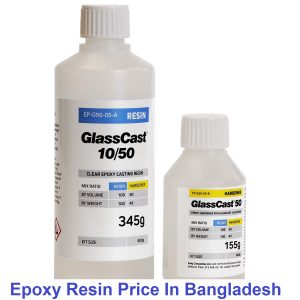
What can you do with epoxy resin?
Epoxy resin is a two-part mixture composed of an epoxide and a polyol. When these two mix, it creates a a hard, durable plastic that is waterproof and temperature-resistant. These unique properties make epoxy resin ideal for industrial manufacturing, marine applications, and even in the creation of crafts.
The most common epoxy resins are structural adhesives used in manufacturing because they are highly tolerant to shear stress, high temperatures and chemical exposure. Beautiful works of art can be created by using epoxy resin to coat a surface and attach it to another. Functional and decorative objects can be made with the right epoxy resin materials.
How much does resin cost in Bangladesh?
If you are looking to buy epoxy resin in Bangladesh, you need to know the basics of epoxy resin pricing. Before you can compare prices for shipping, shipping costs must be considered. Also you need to consider which option is best for your application.
We believe that our pricing recommendation will help prevent any confusion about what you should expect when you purchase epoxy resin from us. Resin Quantity Price per Litre Price per Kg 1 to 2 litres 2000tk to 4000tk per litre.
Which is better epoxy or resin?
Epoxy resin, sometimes simply called epoxy, is a powerful alternative to traditional materials used in creating crafts. Epoxy resin is one of the most versatile materials. It is great for making functional objects, art and it can even be used as a sealant for sealing buildings and other structures. In fact many industrial applications use epoxy resin because of its toughness to chemicals and extreme temperatures. Here are some of the advantages of using resin material:
- It is highly durable and strong, which means it is great for making functional objects.
- Epoxy resin has a low vapor pressure, which means that it won’t easily evaporate into the air.
- Epoxy does not react with food or humans. It is a non-toxic material that will not irritate the skin or your eyes. However, it can be harmful if you ingest too much of it or if you get some on your skin and don’t wash it off in time.
- This material can be tinted in a variety of different colors using paint or pigments. You can also use colored epoxy resin for making decorative pieces.
What is epoxy resin used for?
Epoxy resin is suitable for a wide range of applications. It is used to make decorative pieces because of how well it accepts paint and how strong it is. There are many functional items that can be made from epoxy resin, such as storage containers and electrical fixtures. It can even be used as a sealant to keep out moisture, although not all epoxy resins are suitable for this purpose.
Epoxy resin has some additional advantages over other materials when you’re making a piece of art or something functional. It is resistant to temperature changes, which means the piece will never break. It also doesn’t attract dust. Overall, the durability of this material makes it a great choice for designers trying to create functional objects.
Is fevicol epoxy glue?
If you’re not sure what fevicol is, it’s a type of epoxy adhesive that is often used to glue wood to wood, but also other materials. As far as we know, the glue in fevicol epoxy glue is always made from epoxy resin and it’s the same material that we sell. To us, there doesn’t appear to be a difference between our products and what you would find at home improvement stores. It’s always good practice to read the label on whatever you are buying, but there is no difference between our products and fevicol as far as we know.
What is epoxy resin floor?
Epoxy resin floor is a protective surface made from epoxy resin. It is a product that is often used in industrial settings, but it can also be used to protect floors in your home. This hard plastic has a low vapor pressure and low shear strength, which means it will resist water damage and cracks. Epoxy resin flooring does not need to be sealed; as a result, there’s no risk of dangerous fumes inside your home or office.
These floors are highly durable and will last for years without any cracks or breaks. If you have an industrial setting where you need to protect the floors, this epoxy resin option is a practical one. It will never crack and it can be resistant to cracks and chips that are caused by too much weight or pressure. It’s a popular option for factories, warehouses and any other high traffic areas.

Do i need to use hardener with epoxy?
If you’re wondering when to use hardener with epoxy, there are several types of epoxies that require a hardener. However, this is not the same for all types of epoxy resin. In some cases, adding a hardener does make the epoxy stronger. However, you need to do some research to find out if your project will benefit from using hardener with your epoxy resin.
The good news is that you don’t have to use hardener with every type of epoxy resin; it will depend on what you are using it for. Most types of epoxy resin are designed for use without a hardener. Hardener is only needed when you want to make your epoxy resin stronger. When you use a resin without a hardener, it’s possible for the epoxy resins to actually weaken or break. As a result, you would need to replace or repair the damage. Playing with epoxy can be incredibly dangerous; this is why many people prefer using products that are made for industrial applications.
Is resin A plastic?
A resins are inorganic polymer or polymers. They can be very simple molecules made from few monomers and they can be very long carbon chains with many monomers bonded together. The most important properties of a resin is its resistance to heat and chemicals, because the majority of resins are thermoset polymers.
Can you carve resin with a knife?
Resin is made of 100% molecules and is not a plastic. You can’t cut it with a knife or a knife sharpener. However, you can use sandpaper to smooth out surface imperfections and minor scratches.
Epoxy adhesive is one of the most common types of adhesives that are used in the industry and it’s available in many different types of resins. Below are some examples:
Is epoxy resin strong?
Resin is an epoxy resin with great physical properties. The main factor that determines the strength of this material is its molecular weight. When it comes to epoxy resin, the weight of the molecules always determines how strong a piece will be and this is true for all types of epoxy resin.
Of course, there are other factors that determine how strong a piece will be. For example, many resins have special additives that improve their strength. If you’re trying to find an epoxy resin like this, you should look for one with physical properties high enough to handle your project.
Why is epoxy resin popular?
Epoxy resin is one of the most popular types of adhesives in the industry because it has an incredibly wide range of uses. It’s used to make decorative pieces, but it’s also used to make functional objects like storage containers and electrical fixtures. Resin doesn’t attract dust or other contaminants if you’re looking for a way to keep your items looking as new as possible. Resin is made from 100% epoxy resins and this makes it very attractive to many people.
Is resin made from oil?
Resin is not oil-based, it’s made from epoxy resin. It’s important to remember that there are many types of resins and each one works a little differently.
One of the most common types of epoxy resin is made from bisphenol A diglycidyl ether or Bisphenol A diglycidyl ether or Bis Diglycidyl Ether or Bisphenol-A Diglycidylether and it has the chemical formula of (C8H10O2).
What is Epoxy Resin?
Epoxy resin is a synthetic polymer that is formed by the reaction of epoxide monomers with a hardener. This chemical reaction results in a hard, durable material that is resistant to chemicals, heat, and corrosion. Epoxy resin is used in a variety of applications, including coatings, adhesives, composite materials, and electrical insulation.
Types of Epoxy Resin
Before diving into pricing, it’s essential to understand the different types of epoxy resins available:
- Liquid Epoxy Resins: Commonly used for coatings and casting.
- Solid Epoxy Resins: Primarily used in industrial applications and often require heat for curing.
- Flexible Epoxy Resins: These are designed to withstand bending and stress, suitable for applications like coatings on flexible surfaces.
- High-Temperature Epoxy Resins: Designed for applications that require heat resistance.
Each type of epoxy resin can have different pricing structures based on its formulation and intended use.
Factors Influencing Epoxy Resin Pricing
1. Raw Material Costs
The primary components of epoxy resin include epoxide monomers and hardeners, which are derived from petrochemical sources. Fluctuations in oil prices directly impact the cost of these raw materials. When oil prices rise, manufacturers often pass those costs onto consumers, leading to increased prices for epoxy resin products.
2. Quality and Grade
Epoxy resins come in various grades, including industrial, commercial, and specialty formulations. Higher-grade epoxy resins often have superior properties, such as enhanced chemical resistance or better adhesion. As a result, premium products can command significantly higher prices.
3. Production Processes
The manufacturing process of epoxy resin can vary, affecting costs. For instance, resins produced using advanced technologies or specific formulations might incur higher production costs. Additionally, companies investing in environmentally friendly production methods may also see increased costs, which can be reflected in product pricing.
4. Packaging and Distribution
Epoxy resin is often sold in various sizes, from small kits for hobbyists to bulk quantities for industrial use. Packaging plays a role in pricing; larger quantities may offer savings per unit, while smaller consumer-sized kits may have higher per-unit costs due to packaging and marketing expenses. Distribution costs, including shipping and handling, also contribute to the final price.
5. Market Demand
Like any commodity, epoxy resin pricing is influenced by supply and demand dynamics. In times of high demand, such as during construction booms or increased interest in DIY projects, prices may rise. Conversely, during economic downturns or reduced construction activity, prices might stabilize or even decrease.
6. Geographic Variability
The cost of epoxy resin can vary significantly by region due to factors such as local regulations, transportation costs, and the presence of manufacturing facilities. For example, regions closer to raw material sources may have lower prices, while remote areas might face higher shipping costs, leading to increased prices.
7. Competition and Market Players
The epoxy resin market features several key players, including large chemical companies and smaller niche manufacturers. Competitive pressures can influence pricing, as companies may adjust their prices to capture market share or respond to competitor actions.
Current Trends in Epoxy Resin Pricing
1. Sustainability and Eco-Friendly Options
With growing environmental awareness, there has been a shift toward sustainable products, including eco-friendly epoxy resins. While these alternatives can often be more expensive due to their raw materials and production processes, they may attract consumers willing to pay a premium for environmentally responsible options.
2. Technological Advancements
Innovations in epoxy resin technology, such as improved formulations for enhanced performance or faster curing times, can also impact pricing. New technologies may initially be priced higher, but as they become more mainstream, prices may stabilize.
3. Increased DIY Culture
The rise of DIY projects, fueled by social media and online platforms, has led to increased demand for epoxy resin, particularly among hobbyists and craft enthusiasts. This trend has encouraged manufacturers to offer more affordable, user-friendly products, impacting the overall pricing structure.
Price Ranges for Epoxy Resin
While prices can vary widely, here’s a general overview of what consumers might expect:
- Small Kits (1-2 quarts): Typically range from 350TK to 500TK, suitable for craft projects and small repairs.
- Medium Kits (1-5 gallons): Prices generally fall between 350TK to 500TK, appropriate for larger DIY projects.
- Bulk Purchases (5 gallons and above): Prices can start at around 200oTK and can go well over 4,000TK, depending on the type and quality of the resin.
Specialty and High-Performance Epoxy Resins
For specialized applications, such as aerospace or automotive, prices can escalate significantly. High-performance epoxies can range from $100 to $500 per gallon or more, depending on their unique properties.
Tips for Purchasing Epoxy Resin
1. Determine Your Needs
Before purchasing epoxy resin, identify your specific application and requirements. Understanding whether you need a general-purpose resin or a specialized formulation will help you choose the right product and avoid overspending.
2. Compare Prices
Shop around and compare prices from different suppliers. Online marketplaces, local hardware stores, and specialty craft suppliers often have varying price points. Be sure to consider shipping costs if purchasing online.
3. Check for Bulk Discounts
If you anticipate using a significant amount of epoxy resin, inquire about bulk purchasing options. Many suppliers offer discounts for larger quantities, which can lead to substantial savings.
4. Read Reviews and Specifications
Before buying, read product reviews and specifications to ensure the resin meets your quality standards. Look for feedback from other users to gauge performance and ease of use.
5. Consider Environmental Impact
If sustainability is important to you, research eco-friendly epoxy resin options. While they may come at a higher price, the benefits to the environment may outweigh the costs.
What is Epoxy Resin Paint?
Epoxy resin paint is a type of coating made from epoxy resins, which are synthetic thermosetting polymers. These resins are created through a chemical reaction between epoxide compounds and hardeners. Once mixed and applied, they cure to form a tough, durable surface that can withstand wear, chemicals, and moisture. This makes epoxy resin paint a preferred choice for many applications, including:
- Industrial and Commercial Flooring: Used in warehouses, factories, and garages.
- Home Improvement: For countertops, furniture, and decorative projects.
- Automotive Applications: As a protective coating for vehicles and parts.
- Marine Uses: Ideal for boats and other watercraft.
Factors Affecting Epoxy Resin Paint Prices
Several factors can influence the price of epoxy resin paint, including:
1. Type of Epoxy Resin Paint
Epoxy resin paints come in various formulations, each tailored for specific applications:
- Self-Leveling Epoxy: Designed for flooring applications, this type tends to be more expensive due to its thickness and additional materials required.
- Water-Based vs. Solvent-Based: Water-based epoxy paints are generally more affordable and environmentally friendly, while solvent-based options may offer better performance but at a higher price.
- Decorative vs. Industrial: Decorative epoxy paints, which often include additional pigments and effects, can be pricier than standard industrial-grade paints.
2. Brand Reputation
Established brands often command higher prices due to their reputation for quality and reliability. Investing in a reputable brand may provide better performance and longevity, making it a worthwhile expense in the long run.
3. Quantity Purchased
Buying in bulk can lead to significant savings. Many suppliers offer discounts for larger quantities, which is particularly beneficial for contractors or businesses needing substantial amounts of paint.
4. Location and Availability
Prices can vary by region due to shipping costs, local demand, and the availability of specific products. Urban areas may have more options, leading to competitive pricing, while rural areas might face higher costs due to limited availability.
5. Additives and Customization
Custom colors, additives for UV resistance, or additional features like anti-slip properties can increase the price. While these features enhance performance, they also contribute to the overall cost.
6. Preparation and Application Costs
Consideration of the total project cost should include preparation and application expenses. Professional application will add to the overall cost, while DIY projects may save money but require an investment in tools and preparation materials.
Average Price Range for Epoxy Resin Paint
The price of epoxy resin paint can vary widely based on the factors mentioned above. On average, you can expect the following price ranges:
- Water-Based Epoxy Paint: $30 to $70 per gallon.
- Solvent-Based Epoxy Paint: $50 to $100 per gallon.
- Self-Leveling Epoxy: $100 to $200 per gallon.
- Decorative Epoxy Kits: $100 to $300 for a complete kit (including base coat, topcoat, and any decorative elements).
Specialty Products
For specialty applications, such as marine epoxy or high-temperature resistant epoxy, prices can climb higher, sometimes exceeding $200 per gallon.
Cost Breakdown: Example Projects
To give a clearer understanding of how these prices translate into real-world applications, let’s explore a few hypothetical projects.
Project 1: Garage Floor Coating
- Area: 500 square feet
- Epoxy Type: Self-Leveling Epoxy
- Paint Cost: 2 gallons at $150 each = $300
- Preparation Materials: $50 (cleaners, etching solutions)
- Total Cost: Approximately $350
Project 2: Kitchen Countertop
- Area: 50 square feet
- Epoxy Type: Decorative Epoxy Kit
- Kit Cost: $150
- Preparation Materials: $30 (sanding materials, cleaners)
- Total Cost: Approximately $180
Project 3: Industrial Flooring
- Area: 2000 square feet
- Epoxy Type: High-Performance Solvent-Based Epoxy
- Paint Cost: 10 gallons at $80 each = $800
- Preparation and Labor: $600
- Total Cost: Approximately $1400
Tips for Choosing the Right Epoxy Resin Paint
When selecting epoxy resin paint, consider the following tips to ensure you make the best choice for your project:
1. Assess Your Needs
Determine the purpose of the epoxy paint. Will it be used for flooring, furniture, or an artistic project? Understanding the specific requirements will help you choose the right formulation.
2. Read Reviews and Get Recommendations
Research different brands and products by reading customer reviews. Recommendations from professionals or DIY enthusiasts can provide valuable insights into performance and ease of application.
3. Calculate Total Costs
When budgeting, account for all associated costs, including paint, preparation materials, and labor (if applicable). This will give you a more accurate picture of your investment.
4. Check for Certifications
Look for products that meet industry standards and certifications, especially for industrial applications. This can ensure safety and performance reliability.
5. Consider Environmental Impact
If you’re environmentally conscious, opt for water-based epoxy paints that emit fewer volatile organic compounds (VOCs). These are often safer for indoor use and less harmful to the environment.
6. Consult with Experts
If unsure about which product to choose, consulting with a paint expert or contractor can provide clarity. They can help you understand the differences between products and guide you to the best option for your needs.
Current Market Trends in Epoxy Resin Pricing
As of late 2023, the epoxy resin market has seen various trends that influence pricing. Here are a few key observations:
1. Rising Demand in DIY Projects
The popularity of DIY home improvement projects has surged, particularly after the COVID-19 pandemic. This increased demand has led to higher prices, particularly for casting and coating resins. Hobbyists looking for high-quality resin for projects may find themselves paying a premium.
2. Sustainability Considerations
As consumers become more environmentally conscious, many manufacturers are exploring bio-based and sustainable epoxy resins. While these eco-friendly options may come with higher upfront costs, the long-term benefits and market demand are driving innovation in this space.
3. Technological Advancements
New formulations and technologies in epoxy production are leading to improved performance characteristics, such as faster curing times and enhanced durability. These advancements can often command a higher price, but they also offer better value over time due to reduced labor and maintenance costs.
4. Supply Chain Challenges
Global supply chain disruptions, stemming from the pandemic and geopolitical tensions, have affected the availability and pricing of raw materials used in epoxy production. This has led to increased costs, which are often passed on to consumers.
Tips for Buying Epoxy Resin
When purchasing epoxy resin, it’s essential to be informed to ensure you get the best value for your money. Here are some tips to guide you through the buying process:
1. Determine Your Needs
Before making a purchase, clearly identify the purpose of the epoxy resin. Different applications require different types of resin. Ensure you select a product designed for your specific use case.
2. Research Brands and Reviews
Take the time to research various brands and read reviews from other users. This can provide insights into product quality and performance, helping you choose a reliable option.
3. Consider Bulk Purchases
If you anticipate needing a significant amount of resin, consider purchasing in bulk. Not only can this save you money, but it also ensures you have enough material on hand for future projects.
4. Check for Special Offers and Discounts
Look out for promotions, especially during peak seasons for DIY projects. Many retailers offer discounts that can significantly reduce costs.
5. Compare Prices Across Suppliers
Don’t settle for the first price you see. Comparing prices from different suppliers can help you find the best deal. Remember to factor in shipping costs when comparing online prices.
6. Evaluate Product Specifications
Pay attention to product specifications such as cure time, viscosity, and maximum temperature resistance. Choosing the right product for your project can save you money in the long run by minimizing the risk of failure or rework.
7. Ask for Samples
If possible, request samples from suppliers to test the product before committing to a larger purchase. This can help you assess quality and suitability for your specific project.
Resin 1kg Price
Resin is a versatile material widely used in various industries, including arts and crafts, construction, automotive, and electronics. As a synthetic product, its pricing can vary significantly based on several factors, including the type of resin, market demand, quality, and supplier. This article delves into the price of 1kg of resin, exploring the different types available, the factors influencing prices, and current market trends.
Types of Resin and Their Prices
1. Epoxy Resin
Overview: Epoxy resin is one of the most popular types due to its strong adhesive properties, durability, and resistance to environmental factors.
Price Range: The price for 1kg of epoxy resin typically ranges from 2000tk to 4000tk. High-quality brands or specialized formulations, such as those designed for marine use or professional-grade applications, can be on the higher end of this spectrum.
Applications: Commonly used in coatings, adhesives, and as a casting material in art projects. Its versatility makes it a favorite among DIY enthusiasts and professionals alike.
2. Polyester Resin
Overview: Polyester resin is often used in fiberglass applications and is known for its lower cost compared to epoxy.
Price Range: 1kg of polyester resin generally costs between $10 and $30. It is typically less expensive than epoxy but may not offer the same level of durability or resistance.
Applications: Frequently used in boat manufacturing, automotive parts, and decorative items.
3. Polyurethane Resin
Overview: Polyurethane resin is appreciated for its flexibility and impact resistance, making it suitable for a variety of applications.
Price Range: The cost for 1kg of polyurethane resin usually falls between $15 and $50, depending on the specific formulation and intended use.
Applications: Ideal for coatings, foam products, and castings where flexibility is essential.
4. Silicone Resin
Overview: Silicone resins are known for their heat resistance and flexibility, making them suitable for specialized applications.
Price Range: Prices can range from $30 to $100 per kg, largely depending on the formulation and purity.
Applications: Commonly used in high-temperature environments, electronics, and medical applications.
5. Bio-Resin
Overview: With growing environmental concerns, bio-resins made from renewable sources are becoming popular.
Price Range: Prices for bio-resin can range from $25 to $80 per kg, influenced by the production process and source materials.
Applications: Used in eco-friendly products, arts and crafts, and construction materials.
Factors Influencing Resin Prices
Understanding the price of resin requires a look at various factors that can affect its cost:
1. Raw Materials
The primary ingredients in resin production, such as epoxy, polyester, or urethane, significantly influence pricing. Fluctuations in the price of raw materials can lead to changes in resin prices.
2. Manufacturing Process
Different resins undergo unique manufacturing processes. More complex or time-consuming processes typically result in higher prices due to increased production costs.
3. Quality and Purity
Higher purity resins are often more expensive. Industries that require high-performance materials—like aerospace or medical sectors—often pay a premium for top-quality resins.
4. Demand and Supply
Market dynamics play a crucial role in pricing. If demand for resin spikes—due to trends in home improvement or crafting, for instance—prices may rise. Conversely, a surplus can lead to lower prices.
5. Packaging and Shipping
The cost of packaging and transportation can also affect the final price of resin. Suppliers often charge more for smaller quantities due to shipping costs, which can be a significant consideration for consumers purchasing 1kg.
6. Brand and Supplier
Renowned brands often command higher prices due to their reputation for quality and reliability. Consumers may be willing to pay more for trusted brands, impacting overall pricing.
Market Trends
1. Increasing DIY Culture
The rise in DIY projects, fueled by platforms like YouTube and Pinterest, has led to increased demand for various resins, particularly epoxy. This trend has contributed to a steady increase in prices over the past few years as more people engage in crafting and home improvement projects.
2. Eco-Friendly Products
The shift toward sustainable materials has boosted the market for bio-resins and other environmentally friendly options. As demand for these products grows, their prices are likely to stabilize or increase due to the higher costs associated with sustainable production methods.
3. Industrial Growth
Industries such as automotive, construction, and electronics are seeing growth, driving demand for resins. This industrial demand can create upward pressure on prices, especially for high-performance resins that meet specific regulatory requirements.
4. Technological Advancements
Advancements in resin technology, including improved formulations and production techniques, can influence prices. As new types of resins become available, consumers may find more options at various price points.
Resin Glue Price
When it comes to adhesive solutions, resin glues have carved out a significant niche in various industries, from construction and woodworking to arts and crafts. The price of resin glue can vary widely based on several factors, including the type of resin, the brand, the quantity, and the intended application. This article delves into the nuances of resin glue prices, exploring what influences these costs and how to find the best options for your needs.
What is Resin Glue?
Resin glue, often referred to as epoxy or polyamide glue, is a type of adhesive that uses a resin base as its primary bonding agent. Unlike traditional glues, which may be water-based or solvent-based, resin glues offer superior strength and durability. They are particularly effective for bonding materials that are difficult to adhere, such as metal, glass, and certain plastics.
Types of Resin Glue
Before diving into pricing, it’s essential to understand the different types of resin glues available on the market:
- Epoxy Resin Glue: This is the most common type, known for its strength and versatility. Epoxy glues typically come in two parts: a resin and a hardener. When mixed, they form a strong, durable bond.
- Polyurethane Resin Glue: This type is moisture-resistant and can bond a wide variety of materials. It expands as it cures, filling gaps and creating a robust bond.
- Phenolic Resin Glue: Often used in woodworking and manufacturing, phenolic resin glues are known for their heat resistance and are commonly used in laminating applications.
- Polyester Resin Glue: Typically used in boat building and automotive repairs, polyester resin glue offers good weather resistance and is often more affordable than epoxy.
Factors Influencing Resin Glue Prices
- Type of Resin: As mentioned, different types of resin glue have varying prices. Epoxy resins tend to be on the higher end due to their superior bonding capabilities, while polyester and polyurethane options may be more affordable.
- Brand: Brand reputation plays a significant role in pricing. Established brands with a history of quality and reliability, such as Gorilla, 3M, and Loctite, often charge more for their products than lesser-known brands.
- Quantity and Packaging: Prices can vary based on how the resin glue is packaged. Smaller tubes or bottles typically cost more per ounce than larger containers. Bulk purchasing often leads to cost savings, especially for businesses.
- Intended Use: Specialized resin glues designed for specific applications—such as marine adhesives or those for high-temperature environments—may be priced higher due to their enhanced formulations.
- Market Demand: Like any product, resin glue prices can fluctuate based on market demand. A surge in demand for construction materials, for example, may drive up the price of construction-grade adhesives.
- Geographic Location: Prices can also vary by region due to local supply and demand dynamics, shipping costs, and availability. Urban areas may see higher prices compared to rural locations due to increased logistics costs.
Average Price Ranges
To give a clearer picture, here’s a breakdown of average price ranges for different types of resin glue:
- Epoxy Resin Glue: 500tk to 1000tk for small containers (0.5 to 2 ounces) and 700tk to 1400tk for larger kits (4 to 32 ounces).
- Polyurethane Resin Glue: 500tk to 1000tk for standard consumer packs, while larger professional-grade packages can range from 500tk to 1000tk.
- Phenolic Resin Glue: Typically priced between 500tk to 1000tk, depending on the formulation and intended use.
- Polyester Resin Glue: Generally more affordable, with prices ranging from 500tk to 1000tk.
Where to Buy Resin Glue
Finding the right resin glue at a competitive price involves exploring various purchasing avenues:
- Local Hardware Stores: These often carry a range of adhesives, allowing you to compare prices and brands in person.
- Home Improvement Centers: Larger retailers like Home Depot or Lowe’s typically have extensive selections and can offer bulk discounts.
- Online Retailers: Websites like Amazon, eBay, and specialized adhesive suppliers can provide competitive pricing and a wide variety of options. Comparing prices online can help you find the best deals.
- Craft Stores: For smaller quantities and specific formulations geared toward crafting, stores like Michaels or Joann often carry resin glues.
- Industrial Suppliers: For businesses or large-scale projects, industrial suppliers may offer bulk pricing and specialized products tailored to specific applications.
Tips for Choosing the Right Resin Glue
- Determine Your Needs: Assess the materials you need to bond, the environment the bond will be exposed to, and whether flexibility or rigidity is desired in the final product.
- Read Reviews: Check user reviews and ratings to gauge the effectiveness and reliability of different resin glues. Look for feedback specific to your application.
- Consider Working Time: Some resin glues have a quick set time, while others allow for repositioning before curing. Choose one that matches your project timeline.
- Check Compatibility: Ensure the resin glue is compatible with the materials you’re working with to avoid subpar bonding.
- Watch for Promotions: Many retailers run sales or offer discounts on bulk purchases, so keep an eye out for promotional events.
Epoxy Resin 1kg Price
Factors Influencing the Price of 1kg Epoxy Resin
The price of 1kg epoxy resin can vary widely based on several factors:
1. Quality of the Resin
High-quality epoxy resins typically cost more than lower-quality alternatives. Premium resins are often formulated for specific applications, providing better performance in terms of adhesion, curing time, and resistance to environmental factors.
2. Brand Reputation
Established brands with a strong reputation in the market often charge a premium for their products. Customers tend to trust brands that are known for quality and reliability, which can drive up prices.
3. Additives and Formulations
Many epoxy resins are enhanced with additives that improve their properties, such as UV resistance, color stability, or faster curing times. These specialized formulations can lead to higher costs.
4. Purchase Volume
Buying in bulk often reduces the cost per kilogram. Retailers may offer discounts for larger quantities, making it more economical to purchase 5kg or 10kg containers rather than just 1kg.
5. Market Demand
Prices can fluctuate based on market demand. In periods of high demand, such as during construction booms or art trends, prices may increase. Conversely, during slower periods, prices might decrease.
6. Shipping and Handling
For online purchases, shipping costs can significantly impact the final price. Additionally, some suppliers may charge extra for handling, especially if the resin is classified as hazardous.
Typical Price Range for 1kg Epoxy Resin
On average, the price of 1kg of standard epoxy resin can range from $20 to $80, depending on the factors discussed above. Here’s a breakdown of what you might expect for different types of epoxy resin:
- Standard Epoxy Resin: $20 – $40 per kg
- Marine Epoxy Resin: $40 – $70 per kg
- Clear Casting Epoxy: $30 – $80 per kg
- Flexible Epoxy Resin: $30 – $60 per kg
These prices are indicative and can vary based on location, retailer, and any ongoing promotions.
Where to Buy Epoxy Resin
There are several avenues to purchase epoxy resin, each with its advantages and disadvantages:
1. Local Hardware Stores
Local stores often carry a range of epoxy resins suitable for general use. The advantage is immediate availability, allowing you to start your project without waiting for shipping.
2. Specialty Art Supply Stores
For artists looking for clear casting or decorative epoxy resins, specialty stores often provide a more curated selection. They may also offer guidance on which product to choose based on specific projects.
3. Online Retailers
Websites like Amazon, eBay, and specialty suppliers often have a wider selection and competitive pricing. Be sure to read reviews and check the seller’s reputation before purchasing.
4. Wholesale Suppliers
If you’re buying in bulk, wholesale suppliers can offer significant savings. This option is best for businesses or individuals who have ongoing projects requiring large quantities of resin.
Uses of Epoxy Resin
The applications of epoxy resin are vast, making it a popular choice across multiple industries. Here are some of the most common uses:
1. Construction
Epoxy resin is widely used in construction for flooring, coatings, and adhesives. Its durability and resistance to chemicals make it ideal for industrial settings.
2. Art and Craft
Artists use epoxy resin to create stunning artworks, including river tables, jewelry, and decorative items. The clear casting type is especially popular for these applications.
3. Automotive Repairs
In the automotive industry, epoxy resin is used for bonding and repairing parts due to its strong adhesion and resilience against heat and chemicals.
4. Marine Applications
Marine epoxy is formulated to withstand the harsh conditions of water and salt, making it ideal for boat construction and repairs.
5. Electronics
Epoxy resin is often used in electronics for potting and encapsulation, providing protection against moisture and environmental factors.
6. Composite Materials
Epoxy resins are a key component in manufacturing composite materials, which are used in everything from aerospace to sporting goods.
Comparing Epoxy Resin to Other Materials
When considering epoxy resin for a project, it’s essential to compare it with other materials. Here’s how epoxy resin stacks up against some alternatives:
1. Polyester Resin
Polyester resin is generally less expensive than epoxy resin but offers inferior adhesion and durability. It is often used in fiberglass applications, but epoxy is preferred for its superior performance.
2. Polyurethane
Polyurethane offers flexibility and can be easier to work with for some applications. However, it often lacks the chemical resistance and strength of epoxy resin, making epoxy the better choice for demanding applications.
3. Silicone
Silicone is more flexible than epoxy but is typically not as strong or durable. It’s often used for sealants and molds rather than structural applications.
4. Acrylics
Acrylics are clear and can be used for similar applications as epoxy resin, but they generally don’t offer the same level of durability and chemical resistance.
Tips for Buying Epoxy Resin
When purchasing epoxy resin, consider the following tips to ensure you get the best value:
- Know Your Project Needs: Understand the specific requirements of your project, such as curing time, clarity, and durability.
- Read Reviews: Look for products with positive customer feedback, especially from those who have used the resin for similar applications.
- Check for Certifications: Some resins are certified for safety and environmental compliance, which can be an important factor depending on your project.
- Compare Prices: Don’t settle for the first price you see. Shop around to ensure you’re getting a competitive deal.
- Consider Shipping Costs: When buying online, factor in shipping costs to determine the total price of your purchase.
Epoxy Resin Prices Per Kg
Average Prices of Epoxy Resin
As of recent data, the average price of epoxy resin typically ranges from $5 to $25 per kilogram. However, this can vary widely based on the factors discussed:
- Standard Liquid Epoxy Resins: Generally priced between $5 and $15 per kg.
- Specialty Epoxy Resins: These can range from $15 to $25 per kg or even higher, depending on the specific application.
- Bulk Purchases: Buying in bulk often reduces the price per kilogram, making it a cost-effective option for businesses or large projects.
Where to Buy Epoxy Resin
Purchasing epoxy resin can be done through various channels:
1. Local Hardware Stores
Many hardware stores carry standard epoxy resins, especially for DIY projects. Prices may be higher compared to bulk purchases from specialized suppliers.
2. Online Retailers
E-commerce platforms like Amazon or specialized craft websites offer a wide range of epoxy resins, often with competitive pricing. Be sure to check customer reviews and product specifications.
3. Specialty Suppliers
Companies that focus on industrial materials may offer a more extensive selection of epoxy resins, including specialty formulations. Prices may vary, but they often provide bulk discounts.
4. Manufacturer Direct
Purchasing directly from manufacturers can yield the best prices, especially for large quantities. This option also allows for better negotiation on pricing and specifications.
Tips for Purchasing Epoxy Resin
When purchasing epoxy resin, consider the following tips:
1. Identify Your Needs
Before buying, clearly define your project requirements. The type of epoxy resin needed will greatly influence the price and performance of your final product.
2. Compare Prices
Always compare prices from multiple sources. Online reviews and customer testimonials can provide insights into the best value for your money.
3. Buy in Bulk
If you have a large project or are using epoxy resin regularly, consider buying in bulk. This can significantly lower the price per kilogram.
4. Consider Shipping Costs
When purchasing online, factor in shipping costs to get the true price of the resin. Some suppliers offer free shipping over a certain amount, which can further reduce costs.
5. Ask for Samples
If you’re unsure about which product to choose, consider asking suppliers for samples. This can help you assess the quality before making a larger investment.
6. Stay Informed on Market Trends
Keep an eye on market trends and raw material prices. Understanding the market can help you purchase epoxy resin at the most opportune times.
Clear Epoxy Resin Price
What is Clear Epoxy Resin?
Before discussing the pricing, it’s essential to understand what clear epoxy resin is. Epoxy resin is a type of synthetic resin that cures into a hard, durable material when mixed with a hardener. Clear epoxy resin is particularly favored for its transparency, allowing for stunning finishes in artistic projects, as well as functional applications in construction and manufacturing.
Factors Influencing Clear Epoxy Resin Prices
- Quality of Ingredients: The composition of the resin plays a significant role in its price. Higher-quality resins made with pure epoxy and advanced additives typically cost more. These resins provide better clarity, UV resistance, and chemical resistance, making them ideal for professional applications.
- Brand Reputation: Well-known brands that have established a reputation for quality and reliability often charge a premium for their products. Brands like West System, System Three, and ArtResin are recognized for their consistent quality and performance.
- Volume and Packaging: The price of clear epoxy resin can vary depending on the size of the packaging. Bulk purchases generally reduce the cost per unit. For small DIY projects, 8-ounce or 16-ounce kits might be more suitable, while larger applications might require a gallon or more, which is often more economical.
- Additives and Features: Some epoxy resins come with added features, such as UV inhibitors, non-yellowing formulas, or self-leveling properties. These enhancements can increase the price but may be worth it depending on your project requirements.
- Market Demand: Seasonal fluctuations and trends in crafting and construction can affect the availability and pricing of epoxy resin. For instance, during peak crafting seasons, prices might rise due to increased demand.
- Shipping and Handling: Since epoxy resins are often classified as hazardous materials, shipping costs can vary based on regulations. Make sure to factor in shipping when comparing prices.
Typical Price Range for Clear Epoxy Resin
The price of clear epoxy resin can vary widely depending on the factors mentioned above. Generally, you can expect the following price ranges:
- Small Kits (8 oz to 16 oz): These kits usually range from $10 to $40. They are ideal for small projects such as jewelry making, coasters, or small art pieces.
- Medium Kits (32 oz to 1 gallon): For larger projects like tabletops or bar tops, prices typically range from $50 to $150.
- Bulk Purchases (5 gallons or more): Professional users might purchase resin in bulk, with prices ranging from $300 to $700 or more, depending on the brand and quality.
Comparing Different Brands and Products
To make an informed decision, it’s helpful to compare popular brands and their offerings:
- ArtResin: Known for its non-toxic formula and UV resistance, ArtResin is a favorite among artists. Prices for a 32 oz kit are around $60.
- West System: This brand is often used in marine applications and for repairing boats. Their epoxy systems offer high performance but can be more expensive, with 1-gallon kits starting at around $100.
- System Three: Offers a variety of epoxy products, including clear resins. Their pricing is competitive, with 1-gallon kits available for approximately $70.
- TotalBoat: Known for its affordability and performance, TotalBoat’s epoxy resin kits are popular among DIYers. Prices for their 1-gallon kits range from $60 to $90.
- Pro Marine Supplies: Specializes in high-gloss epoxy resins for countertops and tables. Their products are well-reviewed, with 1-gallon kits priced around $75.
Tips for Buying Clear Epoxy Resin
- Identify Your Project Needs: Consider the size and type of your project. Determine if you need UV resistance, clarity, or a specific cure time.
- Read Reviews: Look for customer reviews and testimonials online. They can provide insight into the product’s performance and ease of use.
- Check for Safety Data Sheets: Make sure to review safety information for handling and curing. Some resins may emit fumes that require proper ventilation.
- Buy from Reputable Sources: Purchase from well-known retailers or directly from manufacturers to ensure product authenticity and quality.
- Consider the Total Cost: Don’t forget to factor in shipping and handling costs, especially for bulk purchases, as these can significantly affect the total price.
Application Areas for Clear Epoxy Resin
Clear epoxy resin is versatile and can be used in various applications, including:
- Art and Craft Projects: From jewelry to paintings, artists use epoxy to create glossy, durable finishes.
- Furniture Making: Clear epoxy is often used to fill gaps in wood, creating unique table designs and providing a protective layer.
- Flooring and Coatings: In commercial and residential settings, epoxy is applied to floors for durability and aesthetic appeal.
- Marine Applications: Used for sealing and bonding in boat construction and repair due to its water resistance.
Resin Liquid Price
Resin Price Per Litre
Whether you’re a hobbyist, an artist, or part of a manufacturing business, understanding the price per litre of resin can significantly impact your budgeting and project planning.
Resin Material Prices
Resin materials play a critical role in various industries, including manufacturing, construction, automotive, and electronics. With their diverse applications—from adhesives and coatings to composites and 3D printing—resin materials have seen fluctuating prices influenced by several factors.
Epoxy Resin 1 Litre Price
Average Prices for 1 Litre of Epoxy Resin
As of the latest market trends, the price of 1 litre of epoxy resin can vary widely based on the factors discussed above. Here’s a general breakdown:
- General-Purpose Epoxy Resin: Approximately $20 to $50 per litre. These resins are ideal for basic projects and repairs.
- Casting Epoxy Resin: Ranges from 2000tk per litre. This type is designed for artistic applications and requires higher quality to achieve the desired finish.
- Marine Epoxy: Typically priced between 2000tk per litre, as these resins need to withstand harsh conditions and are formulated accordingly.
- Specialty Epoxy Resins: Prices can go beyond 2000tk per litre depending on the specific formulation and features, such as UV resistance or fast cure times.
Tips for Choosing the Right Epoxy Resin
When selecting the right epoxy resin for your project, consider the following:
- Purpose of Use: Determine whether you need resin for arts and crafts, industrial applications, or construction.
- Curing Time: Different resins have varying curing times. If you need a quick-drying option, look for fast-curing formulations.
- Clarity and Finish: For artistic applications, opt for casting resins that promise clarity and a high-gloss finish.
- Safety and Handling: Ensure you follow safety guidelines when working with epoxy resins, including using gloves and masks to avoid skin and respiratory irritation.
- Customer Reviews: Check online reviews to gauge the performance of different brands and types of epoxy resin before making a purchase.
Conclusion
The resin market in Bangladesh is dynamic and influenced by various factors, including raw material costs, demand and supply dynamics, and economic conditions. With prices ranging from BDT 150 to BDT 600 per kilogram, the market offers a diverse array of options for consumers. As the country continues to develop, the resin industry is poised for growth, driven by increased local production, technological advancements, and a shift toward sustainable products. Stakeholders must stay informed about market trends and changes to navigate this evolving landscape effectively.