
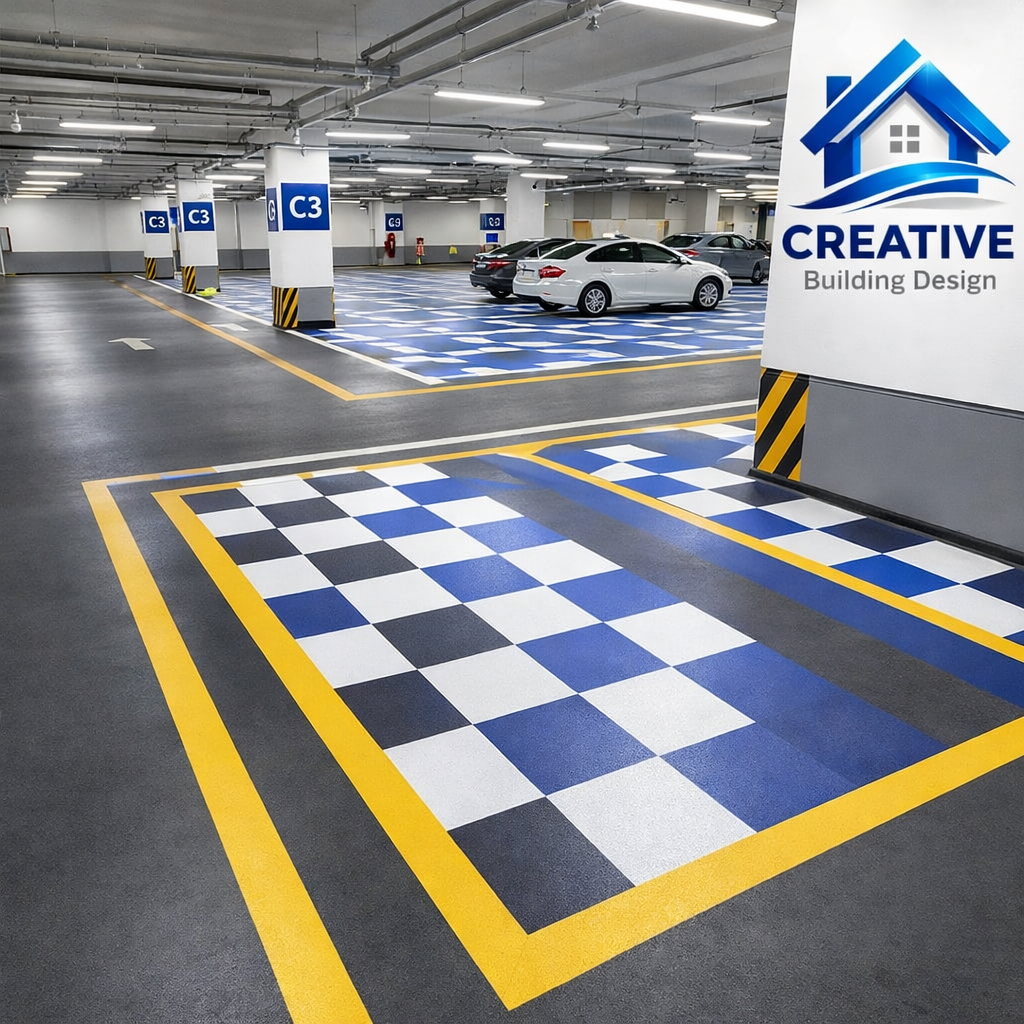
If you’re planning to upgrade your garage space, garage floor epoxy is one of the smartest investments you can make. It not only improves the look of your garage but also significantly enhances durability, safety, and functionality.
Whether you use your garage for parking, storage, or as a workspace, epoxy flooring transforms an ordinary concrete floor into a strong, attractive, and long-lasting surface.
In this complete guide, you’ll learn everything about garage floor epoxy—from benefits and application to maintenance, cost, and frequently asked questions.
What is Garage Floor Epoxy?
Garage floor epoxy is a resin-based coating system applied over concrete floors. It consists of two main components:
- Epoxy resin
- Hardener
When mixed, these components create a chemical reaction that forms a rigid, durable plastic-like surface bonded to the concrete.
Unlike regular paint, epoxy penetrates and seals the surface, providing superior strength, resistance, and longevity.
1. Importance of Car Park Flooring Systems
The flooring in a car park plays a pivotal role in several aspects:
Safety
A well-designed flooring system minimizes slip hazards, ensuring the safety of vehicles and pedestrians. Proper drainage and anti-slip surfaces can significantly reduce the risk of accidents.
Durability
Car parks are subject to heavy loads from vehicles and environmental stressors. A durable flooring system can withstand these pressures over time, preventing cracks and surface deterioration.
Aesthetic Appeal
The visual aspect of a car park is often overlooked, but an attractive flooring system can enhance the overall ambiance, making the space more inviting.
Maintenance
Choosing the right flooring can reduce maintenance costs. Some materials require more frequent repairs or cleaning, while others offer long-term solutions with minimal upkeep.
2. Types of Car Park Flooring Systems
There are several flooring systems commonly used in car parks, each with its own advantages and applications.
Concrete Flooring
Description
Concrete is one of the most common materials used for car park flooring. It can be poured in situ or precast, depending on the design and requirements.
Advantages
- Durability: Concrete is incredibly strong and can withstand heavy loads.
- Low Maintenance: Once set, it requires minimal maintenance compared to other materials.
- Versatility: It can be customized with various finishes, colors, and patterns.
Disadvantages
- Cracking: Over time, concrete can crack due to temperature changes and heavy loads.
- Slip Hazard: Without proper treatment, concrete can be slippery when wet.
Asphalt Flooring
Description
Asphalt is another popular choice for car park flooring, especially for outdoor facilities. It is a mixture of aggregates and bitumen, providing a flexible and durable surface.
Advantages
- Cost-Effective: Asphalt is generally cheaper to install than concrete.
- Quick Installation: It can be laid quickly, allowing for faster project completion.
- Flexibility: Asphalt can expand and contract, reducing the likelihood of cracking.
Disadvantages
- Durability: While it is durable, asphalt may require periodic maintenance, such as seal coating.
- Heat Absorption: Asphalt can absorb heat, leading to increased temperatures in the car park.
Resin Flooring
Description
Resin flooring systems consist of synthetic resin and aggregates. They provide a seamless finish that can be customized in various colors and textures.
Advantages
- Seamless Finish: Reduces the risk of cracks and seams, creating a smooth surface.
- Slip Resistance: Many resin systems can be designed with anti-slip properties.
- Aesthetic Variety: Available in a wide range of colors and patterns.
Disadvantages
- Cost: Resin flooring can be more expensive than concrete and asphalt.
- Installation Time: The curing time can delay project completion.
Paving Blocks
Description
Paving blocks, or pavers, are individual pieces typically made of concrete, clay, or natural stone. They are laid in various patterns to create a functional surface.
Advantages
- Aesthetic Flexibility: Pavers can be arranged in numerous designs, enhancing visual appeal.
- Easy Repairs: Individual blocks can be replaced if damaged without affecting the surrounding area.
- Permeability: Some pavers are designed to allow water to drain through, reducing surface water accumulation.
Disadvantages
- Weed Growth: Gaps between pavers can allow weeds to grow, necessitating maintenance.
- Installation Time: Laying pavers can be more time-consuming than pouring asphalt or concrete.
3. Factors to Consider When Choosing a Car Park Flooring System
When selecting a flooring system for a car park, several factors must be considered to ensure the best fit for the specific environment.
Traffic Volume and Type
The expected volume and type of traffic (e.g., light vs. heavy vehicles) will heavily influence the choice of flooring. Areas with heavy truck traffic may require more durable materials, such as concrete.
Climate Conditions
Weather conditions, including temperature fluctuations and precipitation, can impact flooring performance. For example, asphalt may be more prone to softening in high heat, while concrete can crack in freeze-thaw cycles.
Budget
The budget is a crucial factor in flooring selection. While concrete may have a higher initial cost, its longevity and low maintenance can result in savings over time.
Aesthetic Requirements
For commercial car parks, visual appeal may be a priority. In such cases, resin flooring or decorative paving may be more suitable.
Maintenance Requirements
Consideration of ongoing maintenance is essential. Systems that require regular upkeep can incur additional costs over time.
4. Installation Process
The installation process varies depending on the chosen flooring system. However, there are common steps typically involved.
Site Preparation
- Assessment: The site is evaluated to determine soil conditions, drainage needs, and existing structures.
- Excavation: The area is excavated to the required depth, ensuring a solid base.
Base Layer Installation
- Compaction: A base layer is installed, often made of crushed stone or gravel, and compacted to provide stability.
- Drainage Systems: Appropriate drainage solutions are integrated to manage water runoff.
Main Flooring Installation
- Concrete/Asphalt Pouring: For concrete, forms are set up, and the mix is poured and finished. For asphalt, the hot mix is laid down and compacted.
- Paver Installation: If using pavers, they are laid in the desired pattern, with sand or jointing material filling the gaps.
Finishing Touches
- Sealants: Sealants may be applied to concrete or asphalt for additional protection.
- Line Marking: Parking lines and symbols are painted to facilitate traffic flow and organization.
5. Maintenance of Car Park Flooring
Regular maintenance is essential for extending the life of car park flooring systems. Maintenance needs will vary by material.
Concrete Maintenance
- Crack Repairs: Promptly repair any cracks to prevent water infiltration and further damage.
- Sealing: Apply sealants every few years to protect against stains and moisture.
Asphalt Maintenance
- Seal Coating: Regular seal coating can protect the surface from UV rays and moisture.
- Pothole Repairs: Address potholes and cracks as they arise to maintain safety.
Resin Maintenance
- Regular Cleaning: Clean the surface regularly to prevent dirt buildup and staining.
- Re-coating: Depending on usage, a re-coat may be necessary every few years.
Paver Maintenance
- Weed Control: Regularly check for and remove weeds from gaps.
- Replacement: Replace any damaged pavers promptly to maintain integrity.
Key Advantages of Garage Floor Epoxy
1. Exceptional Durability
One of the biggest reasons homeowners choose epoxy flooring is its extreme durability. It can withstand:
- Heavy vehicle traffic
- Dropped tools and equipment
- Abrasion and wear
This makes it ideal for both residential and commercial garages.
2. Resistance to Chemicals and Stains
Garage floors often face exposure to:
- Oil spills
- Fuel leaks
- Chemicals and solvents
Epoxy coatings are non-porous, meaning they resist absorption and prevent permanent staining.
3. Easy Maintenance
Epoxy floors are incredibly easy to clean. Their seamless surface prevents dirt and dust from accumulating.
Basic maintenance includes:
- Sweeping dust and debris
- Occasional mopping
- Wiping spills quickly
No need for expensive cleaning products.
4. Enhanced Aesthetic Appeal
Epoxy flooring dramatically improves the look of your garage. It offers:
- Glossy or matte finishes
- Decorative flakes
- Metallic designs
- Custom color options
This turns your garage into a modern, showroom-like space.
5. Moisture Resistance
Epoxy coatings act as a moisture barrier, protecting your concrete from water damage, mold, and mildew.
6. Improved Safety
Epoxy flooring can be customized with anti-slip additives, making it safer—especially in wet conditions.
7. Long Lifespan
With proper installation and maintenance, epoxy floors can last:
10–20 years or more
This makes it a cost-effective long-term solution.
Types of Garage Floor Epoxy
1. Solid Epoxy Coating
- Strongest and most durable option
- Ideal for heavy-duty garages
2. Water-Based Epoxy
- Easier to apply
- Budget-friendly
- Less durable than solid epoxy
3. Solvent-Based Epoxy
- Good adhesion
- Strong finish
- Requires proper ventilation
4. Metallic Epoxy
- Creates a luxurious 3D effect
- Perfect for modern designs
5. Epoxy Flake System
- Decorative flakes added for texture
- Improves slip resistance
Step-by-Step Application Process
Proper application is critical to achieving a durable and flawless epoxy floor.
Step 1: Surface Preparation
This is the most important step.
- Remove dirt, grease, and oil
- Grind or etch the concrete
- Repair cracks and holes
Poor preparation leads to coating failure.
Step 2: Moisture Testing
Concrete must be dry. Excess moisture can cause:
- Peeling
- Bubbling
Step 3: Primer Application
A primer helps the epoxy bond strongly with the concrete surface.
Step 4: Mixing Epoxy
The resin and hardener are mixed carefully to ensure proper chemical reaction.
Step 5: Application of Base Coat
The epoxy is applied evenly using rollers or squeegees.
Step 6: Decorative Layer (Optional)
- Flakes or metallic pigments are added
- Creates a unique finish
Step 7: Topcoat/Sealer
A protective topcoat enhances:
- Durability
- Gloss
- Chemical resistance
Step 8: Curing Time
The floor needs time to cure:
- Light use: 24–48 hours
- Full cure: 5–7 days
Design and Color Options
One of the biggest advantages of epoxy flooring is customization.
Popular Colors
- Grey
- White
- Black
- Blue
- Beige
Decorative Options
- Metallic epoxy for luxury look
- Flake systems for texture
- Custom patterns and logos
You can design your garage exactly the way you want.
Maintenance and Care Tips
Keeping your epoxy floor in top condition is simple.
Regular Cleaning
- Sweep dust weekly
- Mop occasionally with mild cleaner
Spill Management
- Clean spills immediately
- Avoid leaving chemicals for long periods
Avoid Harsh Chemicals
Strong acids or abrasive cleaners can damage the coating.
Use Soft Wheels
Avoid dragging heavy objects or using sharp wheels.
Cost of Garage Floor Epoxy
The cost depends on several factors:
Key Factors
- Garage size
- Floor condition
- Type of epoxy used
- Design complexity
- Labor cost
Average Price Range
- Basic epoxy: $3–$6 per sq ft
- Decorative epoxy: $7–$12 per sq ft
Is Epoxy Worth the Cost?
Yes. Although the upfront cost is higher than paint or tiles, epoxy offers:
- Longer lifespan
- Lower maintenance
- Better durability
This makes it a cost-effective long-term investment.
DIY vs Professional Installation
DIY Installation
Pros:
- Lower cost
Cons:
- Risk of improper application
- Shorter lifespan
Professional Installation
Pros:
- High-quality finish
- Proper surface preparation
- Long-lasting results
Cons:
- Higher initial cost
Recommendation: Always choose professionals for best results.
Common Problems and How to Avoid Them
1. Peeling
Cause: Poor surface preparation
Solution: Proper grinding and cleaning
2. Bubbling
Cause: Moisture in concrete
Solution: Moisture testing
3. Discoloration
Cause: UV exposure
Solution: Use UV-resistant topcoat
Garage Floor Epoxy vs Other Flooring Options
| Feature | Epoxy | Tiles | Paint |
|---|---|---|---|
| Durability | High | Medium | Low |
| Maintenance | Easy | Moderate | High |
| Cost | Medium | High | Low |
| Appearance | Excellent | Good | Basic |
Environmental Benefits
Epoxy flooring is environmentally friendly because:
- Reduces need for frequent replacement
- Minimizes dust
- Reflects light, improving energy efficiency
Why Choose Epoxy Flooring for Your Garage?
Garage floor epoxy is ideal because it offers:
- Strength and durability
- Stylish appearance
- Easy maintenance
- Long-term value
It transforms your garage into a clean, modern, and functional space.
How to Clean Epoxy Garage Floor?
Here you will guide you through the steps on how to clean epoxy garage floors. These tips and tricks will help you maintain your floor’s pristine condition, making it look like new for years to come.
Step 1: Sweep or Vacuum the Floor
The first step to cleaning your epoxy garage floor is to remove any loose debris, dirt, or dust. You can do this by sweeping with a broom or using a vacuum cleaner with a soft-bristled attachment.
When sweeping, make sure to use a soft-bristled broom, as hard bristles can scratch or damage the surface of the epoxy floor.
Step 2: Mop the Floor
After sweeping or vacuuming the floor, it’s time to mop. Fill a bucket with warm water and add a few drops of mild detergent. Avoid using harsh chemicals or cleaners that can damage the epoxy surface.
Dip a soft mop into the solution and wring it out until it’s damp. Mop the floor in a back-and-forth motion, starting from one corner and working your way towards the other side of the garage.
Rinse the mop frequently with clean water and change the cleaning solution if it becomes dirty. When you’re done mopping, rinse the floor with clean water to remove any soap residue.

Step 3: Remove Tough Stains
If your epoxy floor has tough stains that don’t come off with regular mopping, you can use a stronger cleaning solution.
For oil stains, you can use a degreaser or a mixture of baking soda and warm water. Apply the solution to the stained area and let it sit for a few minutes. Scrub the area with a soft-bristled brush and rinse with clean water.
For rust stains, you can use a rust remover. Apply the solution to the stained area and let it sit for a few minutes. Scrub the area with a soft-bristled brush and rinse with clean water.
Step 4: Dry the Floor
After cleaning your epoxy garage floor, it’s crucial to dry it thoroughly. Use a clean towel or a mop to remove any excess water. You can also use a fan or a dehumidifier to speed up the drying process.
Flooring For Parking
When it comes to designing and constructing parking facilities, one of the most critical decisions revolves around the choice of flooring. The right flooring can enhance the aesthetic appeal, improve safety, and provide long-lasting durability.
Understanding Parking Flooring Needs
Before diving into specific flooring types, it’s essential to understand the unique requirements of parking areas. Parking facilities must withstand various stresses, including:
- Heavy Loads: Vehicles of different sizes and weights exert significant pressure on the flooring.
- Weather Conditions: Outdoor parking areas are exposed to rain, snow, heat, and UV rays, which can deteriorate certain materials over time.
- Chemical Spills: Oil, gasoline, and other automotive fluids can stain or damage flooring materials.
- Safety Concerns: Flooring must provide adequate traction to prevent slips and falls, especially in wet conditions.
Given these factors, selecting the appropriate flooring is paramount to ensuring longevity and functionality.
Types of Flooring for Parking Areas
1. Concrete
Overview: Concrete is one of the most common flooring materials for parking structures. It is robust, durable, and can withstand heavy loads.
Benefits:
- Durability: Concrete can last decades with proper maintenance.
- Load-Bearing Capacity: Capable of handling the weight of large vehicles.
- Versatility: Can be finished in various ways (polished, stained) for aesthetic appeal.
Considerations:
- Prone to cracking if not installed correctly or if the underlying soil is not properly prepared.
- Requires sealing to protect against stains and moisture infiltration.
2. Asphalt
Overview: Asphalt is primarily used in outdoor parking lots. It is a cost-effective option for large areas.
Benefits:
- Quick Installation: Can be laid and set in a relatively short time.
- Flexibility: Can accommodate slight ground movements without cracking.
- Low Maintenance: Requires occasional sealing and resurfacing.
Considerations:
- Susceptible to damage from extreme temperatures and UV exposure.
- Needs regular maintenance to prolong its lifespan.
3. Interlocking Pavers
Overview: Interlocking pavers are a popular choice for both aesthetic and practical reasons. They consist of individual bricks or blocks that fit together.
Benefits:
- Aesthetic Appeal: Available in various colors, shapes, and patterns.
- Drainage: Allows water to permeate, reducing puddles and promoting eco-friendliness.
- Easy Repairs: Damaged pavers can be easily replaced without disturbing the entire surface.
Considerations:
- Installation can be labor-intensive and requires a stable base.
- Weeds may grow between pavers if not properly maintained.
4. Epoxy Flooring
Overview: Epoxy flooring consists of a resin that is applied to concrete surfaces, creating a seamless and durable layer.
Benefits:
- Chemical Resistance: Resistant to oil, gasoline, and other chemicals.
- Aesthetic Options: Can be customized with colors and finishes.
- Slip Resistance: Can be treated to enhance traction.
Considerations:
- Requires professional installation to ensure proper adhesion and finish.
- May need periodic reapplication, especially in high-traffic areas.
5. Rubber Flooring
Overview: Rubber flooring is increasingly used in parking garages and other facilities due to its durability and safety features.
Benefits:
- Shock Absorption: Reduces impact and noise from vehicles.
- Slip Resistance: Provides excellent traction, reducing the risk of slips and falls.
- Environmental Impact: Often made from recycled materials, making it a more sustainable option.
Considerations:
- Higher upfront costs compared to some other materials.
- Can degrade over time if exposed to certain chemicals.
Factors to Consider When Choosing Parking Flooring
1. Load Requirements
The primary function of parking flooring is to support vehicles. Therefore, understanding the maximum load that the flooring will encounter is crucial. For heavy-duty parking areas, such as those used by commercial vehicles, stronger materials like reinforced concrete may be necessary.
2. Climate and Weather Conditions
Consider the local climate when selecting flooring materials. For example, areas with extreme temperatures may benefit from materials that can withstand thermal expansion and contraction, such as asphalt or flexible pavers.
3. Maintenance Needs
Some flooring materials require more maintenance than others. For instance, concrete and asphalt need regular sealing, while interlocking pavers may need weed control. Assess the maintenance capabilities of your team when selecting a flooring option.
4. Budget
Cost is often a determining factor in flooring selection. While some materials may have a higher initial cost, their durability and low maintenance needs may result in savings over time. It’s essential to consider the total cost of ownership rather than just the initial investment.
5. Aesthetic Considerations
The appearance of the parking area can influence the overall impression of a facility. Consider materials that can be customized or have a pleasing finish, especially in environments where aesthetics matter, such as shopping centers or corporate offices.
Installation Process
1. Preparation
Proper preparation is essential for a successful flooring installation. This may involve:
- Site Assessment: Evaluating soil conditions and existing structures.
- Clearing the Area: Removing any debris, vegetation, or old flooring materials.
- Subgrade Preparation: Ensuring a stable and level base for the flooring.
2. Material Installation
The installation process varies depending on the material chosen:
- Concrete: Typically poured and finished on-site, requiring curing time.
- Asphalt: Laid in layers and compacted using heavy machinery.
- Interlocking Pavers: Installed piece by piece, often requiring sand or gravel for stability.
- Epoxy: Applied in layers, often requiring specific temperature and humidity conditions.
- Rubber: Laid in sheets or tiles, ensuring a seamless finish where necessary.
3. Curing and Finishing
After installation, most flooring materials require a curing or setting period. During this time, it’s vital to keep the area free from traffic to allow the material to set correctly.
Maintenance of Parking Flooring
Regular maintenance is essential to prolong the lifespan of parking flooring. Here are some general maintenance practices based on the type of flooring:
Concrete
- Sealing: Apply a sealant every few years to protect against moisture and stains.
- Crack Repair: Address cracks immediately to prevent further damage.
- Cleaning: Regularly clean with a pressure washer or appropriate cleaning agents to remove stains.
Asphalt
- Sealing: Apply sealcoating every few years to protect against UV damage and wear.
- Crack Filling: Fill cracks with appropriate materials to prevent water infiltration.
- Pothole Repair: Address potholes promptly to maintain safety.
Interlocking Pavers
- Weed Control: Regularly check for and remove weeds.
- Resanding: Top up the sand between pavers as needed to maintain stability.
- Cleaning: Use a power washer to keep the surface clean.
Epoxy Flooring
- Surface Cleaning: Regularly clean with mild detergents to prevent buildup.
- Reapplication: Plan for periodic reapplication to maintain the finish and integrity.
Rubber Flooring
- Cleaning: Use mild detergents and avoid harsh chemicals that can degrade the material.
- Inspections: Regularly inspect for wear and tear, replacing sections as necessary.
How to Prep Garage Floor for Epoxy?
If you’re considering transforming your garage floor with epoxy coating, the first step is to properly prepare the surface. Prepping the garage floor is crucial for ensuring a successful and long-lasting epoxy application. Here’s a detailed guide on how to prep your garage floor for epoxy.
Why Epoxy Flooring?
Epoxy flooring is a durable and attractive option for garage floors. It provides a tough, long-lasting finish that resists stains and is easy to clean. Additionally, it can enhance the overall aesthetics of the garage while offering protection against wear and tear.
Step 1: Clear the Garage:
Before starting the prep work, it’s essential to clear out the garage completely. Remove any vehicles, tools, and other items to create a clean, open space to work in.
Step 2: Clean the Floor:
Begin by thoroughly cleaning the garage floor. Use a broom to sweep away any loose debris, followed by a vacuum to remove finer particles. Once the floor is free of loose dirt and dust, wash it with a mild detergent and water. Ensure that the entire surface is clean and free from any contaminants.
Step 3: Remove Stains and Oil Spills:
Inspect the floor for any oil spills, grease stains, or other contaminants. Use a degreaser to treat these areas and scrub them with a stiff brush. Rinse the floor thoroughly to remove any residue from the cleaning products.
Step 4: Repair Cracks and Damage:
Check the floor for any cracks, spalling, or other damage. Repair any imperfections using a suitable concrete patching compound. Follow the manufacturer’s instructions for mixing and applying the patching material. Allow ample time for the repairs to cure before proceeding.
Step 5: Etch the Surface:
Etching the garage floor is a critical step in the epoxy prep process. This involves using an acid etching solution to create a slightly rough texture on the concrete, which helps the epoxy adhere better. Prepare the etching solution as per the manufacturer’s instructions and apply it to the floor. Use a stiff brush or a floor scrubber to work the solution into the concrete. After etching, thoroughly rinse the floor to remove any residual etching solution.
Step 6: Test for Moisture:
Moisture can interfere with the adhesion of the epoxy coating. Perform a moisture test by taping a plastic sheet to the floor and leaving it for 24 hours. If condensation forms under the plastic, it indicates excessive moisture, which must be addressed before proceeding with the epoxy application.
Step 7: Allow for Drying Time:
After completing the prep work, allow the garage floor to dry thoroughly. Proper drying is crucial to ensure that the epoxy adheres well and achieves a strong bond with the concrete surface. Depending on the climate and humidity levels, this may take a day or longer. By following these steps, you can effectively prep your garage floor for epoxy coating.
How to Epoxy Coat Garage Floor?
Before we dive into the process, let’s understand what epoxy coating is and why it is a popular choice for garage floors. Epoxy coating is a mixture of epoxy resin and a hardener that, when applied to a concrete surface, forms a strong and durable protective layer. This coating is known for its glossy finish, resistance to chemicals, and ability to withstand heavy foot and vehicle traffic. Now, let’s get started with the step-by-step process of epoxy coating your garage floor:
Step 1: Prepare the Garage Floor: Before applying epoxy coating, it is crucial to prepare the garage floor properly. Start by removing any items, such as cars, tools, and debris, from the garage. Sweep the floor thoroughly to remove loose dirt and dust. If you have any oil stains or other stubborn marks, use a degreaser or a concrete cleaner to remove them. Rinse the floor with water and allow it to dry completely.
Step 2: Test for Moisture: Moisture can cause adhesion issues with the epoxy coating, so it is important to check for moisture in the concrete. Tape a plastic sheet to the floor and leave it for 24 hours. If you notice any condensation or moisture buildup under the sheet, you may need to address the moisture issue before proceeding with the epoxy coating.
Step 3: Repair Cracks and Imperfections: Inspect the garage floor for any cracks, pits, or imperfections. Use a concrete patching compound to fill in the cracks and smooth out the surface. Follow the manufacturer’s instructions for the patching compound and allow it to cure completely before moving on to the next step.
Step 4: Etch the Concrete: Etching the concrete is an important step to ensure proper adhesion of the epoxy coating. You can use an etching solution, such as muriatic acid or a commercial concrete etcher, to etch the surface. Follow the instructions on the product label and take necessary safety precautions, such as wearing protective gloves and eyewear. Apply the solution to the floor, scrub it with a stiff brush, and rinse it thoroughly with water. Allow the floor to dry completely.
Step 5: Apply the Primer: Priming the garage floor is essential for optimal adhesion and longevity of the epoxy coating. Choose a high-quality epoxy primer suitable for garage floors. Apply the primer using a roller or a brush, following the manufacturer’s instructions. Make sure to cover the entire floor evenly. Allow the primer to dry according to the specified drying time.
Step 6: Mix and Apply the Epoxy Coating: Now it’s time to mix the epoxy coating. Follow the instructions provided by the manufacturer to mix the epoxy resin and hardener in the correct ratio. Use a mixing paddle attached to a drill for thorough mixing. Once the epoxy is mixed, pour it onto the garage floor in sections. Use a roller or a squeegee to spread the epoxy evenly, making sure to work it into the surface. Continue applying the epoxy coating until the entire floor is covered.
Step 7: Add Decorative Flakes (Optional): If you want to add some decorative elements to your garage floor, you can sprinkle decorative flakes onto the wet epoxy coating. Decorative flakes not only enhance the appearance of your floor but also provide texture and additional durability. Sprinkle the flakes evenly across the floor and allow the epoxy to cure according to the manufacturer’s instructions.
Step 8: Apply a Topcoat (Optional): For added protection and a glossy finish, you can apply a clear topcoat over the epoxy coating. The topcoat acts as a barrier against UV rays, chemicals, and abrasion. Follow the manufacturer’s instructions for mixing and applying the topcoat. Use a roller or a brush to apply the topcoat evenly. Allow the topcoat to cure completely before using the garage.
Step 9: Allow the Epoxy to Cure: After applying the epoxy coating, it is important to allow it to cure properly. The curing time can vary depending on the product and environmental conditions. Typically, epoxy coatings take around 24 to 48 hours to cure. During this time, avoid walking or driving on the floor to ensure a smooth and durable finish. Congratulations! You have successfully epoxy coated your garage floor, giving it a fresh new look and added protection. With proper maintenance and care, your epoxy-coated garage floor will last for years to come. Remember, if you’re unsure about any step or want professional assistance, it’s always a good idea to consult a reputable epoxy flooring service provider like Creative Building BD.
FAQs About Garage Floor Epoxy
Should I Epoxy My Basement Floor?
The answer is yes. Epoxy flooring is a great choice for your basement. It is durable, easy to clean, and looks fantastic.For more information and professional help, visit PU Flooring. They are experts in epoxy and PU flooring solutions.By choosing epoxy flooring, you will have a beautiful and long-lasting basement floor.
Benefits Of Epoxy Basement Floor?
Epoxy floors are durable, easy to clean, and resistant to moisture and stains, making them ideal for basements.
How Long Does Epoxy Flooring Last?
Epoxy flooring can last 10–20 years. The lifespan depends on the quality of installation and the level of maintenance.
Is Epoxy Flooring Waterproof?
Yes, epoxy flooring creates a waterproof seal. This helps protect your basement from moisture and potential water damage.
How To Maintain Epoxy Floors?
Clean epoxy floors regularly with a mild detergent. Avoid abrasive cleaners to maintain the floor’s glossy finish.
Can Epoxy Flooring Increase Home Value?
Yes, epoxy flooring can increase home value. It adds an attractive, durable finish to your basement, appealing to potential buyers.
Is Epoxy Flooring Safe For Homes?
Yes, epoxy flooring is safe for homes. It’s non-toxic once cured and reduces allergens by preventing dust accumulation.
How long does garage floor epoxy last?
Garage floor epoxy is known for its long lifespan. When installed correctly and maintained properly, it can last anywhere from 10 to 20 years. The durability depends on factors such as the quality of materials, level of traffic, and how well the floor is maintained over time.
Is epoxy flooring slippery?
Epoxy floors can become slightly slippery when wet or oily. However, this issue can be easily resolved by adding anti-slip additives or textured finishes during installation, making it safe for both residential and commercial use.
Can epoxy be applied to any concrete surface?
Yes, epoxy can be applied to most concrete surfaces, but the floor must be properly prepared. Any cracks, moisture issues, or surface damage should be repaired beforehand to ensure strong adhesion and a smooth finish.
How long does the installation process take?
The complete installation process usually takes 2 to 3 days, depending on the size of the garage and the condition of the existing floor. Additional curing time is required before the floor is fully ready for use.
When can I use my garage after epoxy installation?
You can typically walk on the surface within 24–48 hours, but it’s recommended to wait at least 72 hours before parking vehicles to ensure the coating has properly hardened.
Is epoxy flooring safe for indoor environments?
Yes, epoxy flooring is completely safe once it has cured. It becomes non-toxic, odor-free, and environmentally friendly, making it suitable for indoor garages and workspaces.
Does epoxy flooring require special maintenance?
No, epoxy floors are very low-maintenance. Regular sweeping and occasional mopping with a mild cleaner are enough to keep the surface clean and shiny. Avoid harsh chemicals to preserve the coating.
Can I customize the look of my epoxy floor?
Absolutely. Epoxy flooring offers a wide range of customization options, including different colors, metallic finishes, decorative flakes, and unique patterns, allowing you to design a floor that matches your style.
Is epoxy better than traditional garage floor paint?
Yes, epoxy is far superior to regular paint. It is more durable, resistant to chemicals, and provides a long-lasting, professional finish compared to paint, which can peel or wear out quickly.
Is professional installation necessary?
While DIY kits are available, professional installation is highly recommended. Experts ensure proper surface preparation and application, resulting in a stronger, smoother, and longer-lasting floor.
Conclusion
Garage floor epoxy is a powerful combination of durability, beauty, and practicality. It protects your concrete, enhances your garage’s appearance, and provides a long-lasting flooring solution.
Whether you want a sleek modern look or a heavy-duty surface for daily use, epoxy flooring delivers exceptional results.
If you’re planning to upgrade your garage in Bangladesh, choosing a professional epoxy flooring service will ensure the best quality and long-term performance.