Epoxy Floor Paint Price In Bangladesh

Epoxy flooring has gained significant popularity in Bangladesh for its durability, aesthetic appeal, and ease of maintenance. Whether for industrial, commercial, or residential spaces, epoxy floor paint offers a resilient and long-lasting solution that enhances the look and functionality of floors. If you’re considering epoxy flooring, understanding the factors that affect the cost can help you make an informed decision. In this article, we’ll delve into the epoxy floor paint price in Bangladesh, factors affecting the cost, and what to expect in terms of budget and quality.

What Is Epoxy Flooring?

Epoxy flooring is a resin-based coating system applied over concrete surfaces. It consists of two main components:

  1. Epoxy resin

  2. Hardener

When these two materials are mixed, they create a chemical reaction that forms a rigid, durable, seamless, and highly resistant surface.

Unlike traditional paint, epoxy flooring creates a thick protective layer that bonds strongly with concrete.

Epoxy Floor Paint:

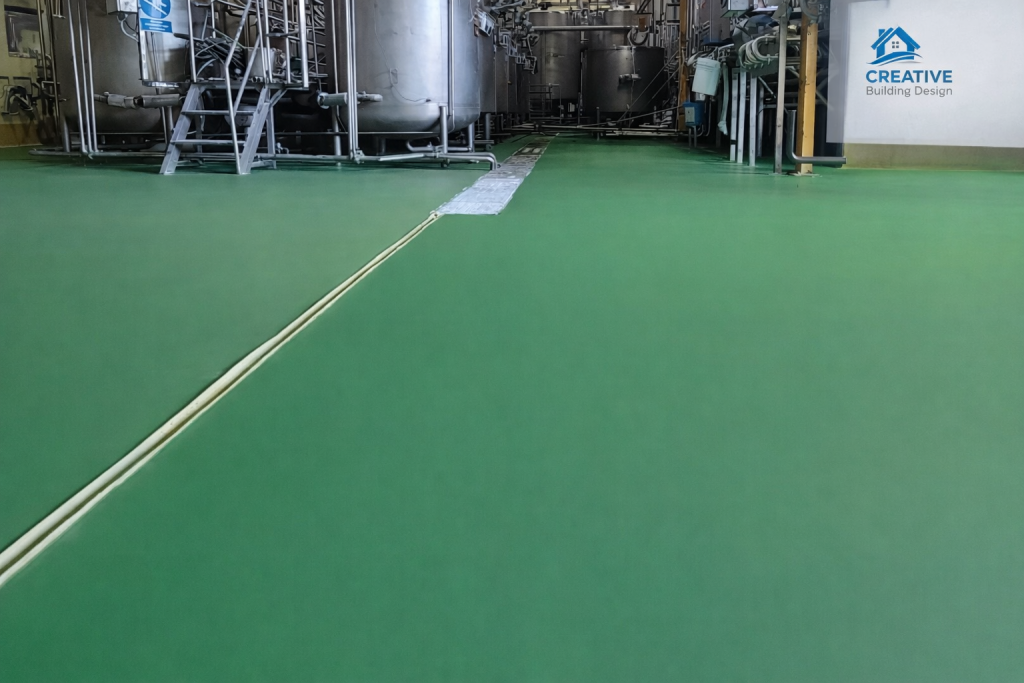
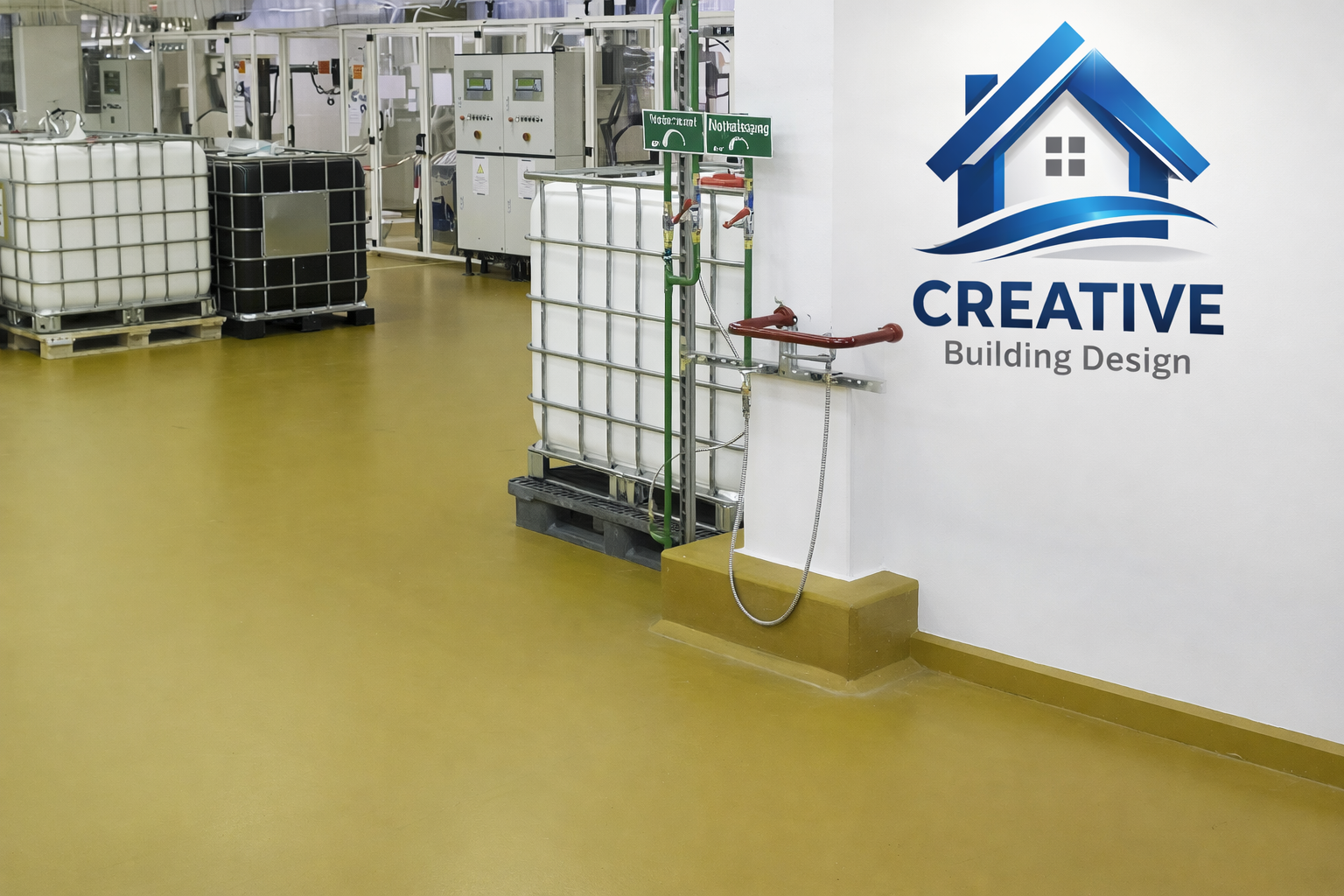
Epoxy floor paint is a type of coating made from epoxy resin and hardeners. When applied, it creates a hard and durable surface that adheres strongly to the concrete below. It’s a popular choice for flooring because it’s resistant to stains, chemicals, and heavy foot traffic, making it suitable for a wide range of applications.

Creative epoxy

Epoxy Flooring in Bangladesh:

Epoxy flooring has become one of the most popular and durable flooring solutions in Bangladesh, serving both industrial and residential needs. From factories and warehouses to hospitals, showrooms, and even modern residential spaces, epoxy floors offer durability, seamless finishes, and a modern aesthetic that conventional flooring systems often cannot match.

With the increasing demand for high-performance floors in Bangladesh, many people are searching for information about epoxy flooring price in Bangladesh, Bangladesh epoxy flooring cost, epoxy floor paint, epoxy resin price in Bangladesh, metallic epoxy flooring price in Bangladesh, and service providers like Perfect Solution BD. In this comprehensive guide, we cover everything you need to know about epoxy flooring in Bangladesh, including its benefits, types, application process, durability, and factors affecting cost.

Epoxy flooring can be applied in various settings:

  • Industrial: Warehouses, factories, and workshops benefit from epoxy’s durability and chemical resistance.
  • Commercial: Retail spaces, showrooms, and malls appreciate epoxy for its aesthetic appeal and easy maintenance.
  • Residential: Garages, kitchens, and basements can have an epoxy floor for a clean, modern look.

Factors Influencing Epoxy Floor Paint Price in Bangladesh:

The cost of epoxy flooring in Bangladesh can vary widely depending on several factors. Here are the most significant elements that influence the overall price:

  • Type of Epoxy Coating: There are different types of epoxy coatings, such as water-based, solvent-based, and 100% solid epoxy. Water-based epoxy is usually the most affordable, but it may not be as durable as the other types. 100% solid epoxy provides the most durability and chemical resistance, but it is also the most expensive.
  • Floor Condition: The condition of the floor where the epoxy will be applied can impact the cost. If the concrete surface requires extensive preparation, such as cleaning, repairing cracks, or leveling, this will add to the overall price.
  • Surface Area: Epoxy flooring is typically priced per square foot. Therefore, larger spaces will require more materials and labor, increasing the overall cost.
  • Thickness of the Epoxy Layer: The thickness of the epoxy layer affects durability and price. A thicker layer is more resistant to wear and tear but will cost more due to the increased amount of material required.
  • Design and Customization: Standard solid color epoxy is usually the most affordable. However, if you want customized designs, patterns, or multi-color effects, this will increase the price due to the additional labor and materials.
  • Location: The location within Bangladesh can affect labor and material costs. Prices may vary slightly depending on the distance from suppliers and the accessibility of the site.

Average Cost of Epoxy Floor Paint in Bangladesh:

While prices can vary depending on the factors mentioned above, here’s an overview of the average cost range for epoxy floor paint in Bangladesh:

Type of Epoxy Average Cost per Square Foot (BDT)
Water-Based Epoxy BDT 100 – BDT 150
Solvent-Based Epoxy BDT 150 – BDT 200
100% Solid Epoxy BDT 250 – BDT 350
Decorative Epoxy (Metallic, Flakes) BDT 300 – BDT 500

Note: Prices may fluctuate based on market demand, material availability, and service provider. Always get multiple quotes to ensure you are getting a fair price.

Why Epoxy Flooring Is Popular in Bangladesh

The demand for epoxy flooring in Bangladesh is increasing rapidly due to:

  • High durability

  • Chemical resistance

  • Dust-free surface

  • Easy maintenance

  • Modern glossy appearance

  • Long service life

  • Moisture resistance

Industrial sectors such as garments, pharmaceuticals, food processing plants, and logistics warehouses prefer epoxy systems because they create hygienic and heavy-duty floors.

Types of Epoxy Coatings and Their Prices:

Let’s break down the different types of epoxy coatings available in Bangladesh and how their characteristics affect the price.

A) Water-Based Epoxy:
Water-based epoxy is commonly used for residential and light commercial applications. It’s affordable and easy to apply, making it a good choice for budget-conscious projects. However, it may not be as durable or chemical-resistant as other types.

B) Solvent-Based Epoxy:
This type of epoxy offers better adhesion and is more durable than water-based options. It’s often used for industrial and commercial settings that need moderate to high durability. It is slightly more expensive than water-based epoxy but offers better longevity.

C) 100% Solid Epoxy:
For heavy-duty applications, 100% solid epoxy is the preferred choice. It provides a thick, hard-wearing surface that is resistant to chemicals, abrasions, and impact. The high cost reflects its durability and quality, making it suitable for factories, warehouses, and areas with heavy traffic.

D) Decorative Epoxy:
Decorative epoxy includes options such as metallic finishes and flakes that create a unique and visually appealing look. While these types offer aesthetic value, they are more labor-intensive and require specialized materials, which can make them the most expensive option.

Cost of Epoxy Floor Installation:

Apart from the cost of the epoxy paint, you’ll also need to consider installation costs. Most professional epoxy flooring companies in Bangladesh include both material and labor in their per-square-foot pricing, but it’s always good to clarify.

The cost of installation can range between BDT 50 to BDT 150 per square foot, depending on:

  • Preparation Work: Cracks, holes, and uneven surfaces may need to be repaired and smoothed out, which can increase labor costs.
  • Primer Application: Priming the floor before applying the epoxy can enhance adhesion and durability, though this may also add to the cost.
  • Number of Layers: Some projects require multiple layers of epoxy, especially for decorative finishes or heavy-duty applications. Each additional layer will increase the time and materials needed.

Choosing an Epoxy Flooring Service in Bangladesh:

When looking for a professional epoxy flooring service provider, consider these tips:

  • Experience: Look for companies with proven experience in epoxy flooring. Experienced professionals are more likely to deliver high-quality results and handle any challenges that arise during installation.
  • Portfolio: Request to see samples of previous work. This will give you an idea of the quality and style of the company’s projects.
  • Warranty: Ask if they offer any warranty on their work. A reputable company will stand behind their work and offer a warranty to ensure customer satisfaction.
  • Customer Reviews: Look for customer reviews online or ask for references. Satisfied customers are usually a good indicator of a company’s reliability and quality.

Epoxy Flooring Price in Bangladesh – What Actually Affects the Cost?

When people search for epoxy flooring price in Bangladesh, they often expect a single fixed rate. But in reality, the cost depends on several technical elements:

1. Floor Condition:

The most important factor is the existing floor condition.

  • Is the concrete new or old?

  • Are there cracks?

  • Is the surface uneven?

  • Is there oil contamination?

If the floor requires grinding, crack repair, leveling, or moisture treatment, the overall cost increases.

2. Thickness of the System:

Epoxy flooring can be applied in different thicknesses:

  • Thin coat system

  • Self-leveling epoxy

  • Heavy-duty industrial system

Thicker systems require more epoxy resin and labor, which impacts the final cost.

3. Area Size:

Larger areas usually reduce per-square-foot cost because material wastage and labor efficiency improve.

Smaller projects may cost comparatively higher per unit due to setup and mobilization expenses.

4. Type of Epoxy System:

Different systems have different performance levels:

  • Standard epoxy coating

  • Self-leveling epoxy

  • Anti-static epoxy

  • Chemical-resistant epoxy

  • Metallic epoxy flooring

Each system requires different materials and application techniques.

5. Location in Bangladesh:

Project location also affects Bangladesh epoxy flooring cost because:

  • Transportation charges vary

  • Labor availability differs

  • Remote areas may increase mobilization cost

Why Epoxy Flooring Is Popular in Bangladesh?

In Bangladesh — where humidity, wear and tear, and heavy traffic are common — epoxy flooring offers key advantages:

✔ Long-lasting finish (often 5–10+ years)
✔ Resistant to water, oil, and chemicals
✔ Easy cleaning (great for industrial sites)
✔ Improves light reflectivity and aesthetics
✔ Prevents dusting and concrete wear

For businesses and homes alike, epoxy flooring strikes a balance between cost and performance.

Benefits of Epoxy Flooring:

Investing in epoxy flooring offers numerous benefits, making it a popular choice in Bangladesh:

  • Durability: Epoxy floors are resistant to wear and tear, making them ideal for high-traffic areas.
  • Chemical Resistance: Industrial facilities benefit from epoxy’s resistance to chemicals, oils, and other corrosive substances.
  • Aesthetic Appeal: Epoxy flooring is available in various colors, finishes, and textures, allowing for customization to suit different styles and preferences.
  • Low Maintenance: Once installed, epoxy floors are easy to clean and maintain, saving both time and money.
  • Improved Safety: Epoxy coatings can be applied with non-slip additives to enhance safety, especially in wet or hazardous areas.

Epoxy Floor Paint – Is It the Same as Epoxy Flooring?

Many people confuse epoxy floor paint with epoxy flooring.

Epoxy floor paint is usually a thinner coating applied for light-duty areas like homes, garages, or small offices. It provides:

  • Improved appearance

  • Basic protection

  • Light chemical resistance

However, industrial epoxy flooring systems are much thicker and stronger than simple epoxy paint.

If someone searches for epoxy floor paint thinking it is the same as heavy-duty flooring, they may misunderstand the actual performance.

Epoxy Resin Price in Bangladesh – What You Should Know?

Another common search term is epoxy resin price in Bangladesh. Epoxy resin is the main raw material used in flooring systems. But resin price alone does not determine total flooring cost. Why? Because epoxy flooring also includes:

  • Surface preparation

  • Primer application

  • Middle coat

  • Top coat

  • Labor cost

  • Machinery cost

  • Protection layer

Even if epoxy resin price fluctuates, the total project cost depends on the complete system design.

Also, different types of resin exist:

  • Solvent-based resin

  • Water-based resin

  • 100% solid epoxy resin

Each has different performance characteristics and durability levels.

Metallic Epoxy Flooring Price in Bangladesh – Why It’s Different

Metallic epoxy flooring is a decorative, high-gloss system that creates a 3D marble-like or flowing metallic effect.

It is mostly used in:

  • Luxury showrooms

  • Restaurants

  • Modern homes

  • Offices

  • Commercial spaces

When people search for metallic epoxy flooring price in Bangladesh, they should understand that this system requires:

  • Special pigments

  • Artistic application technique

  • Multiple coating layers

  • Skilled applicators

Because of its decorative nature and additional material layers, metallic epoxy systems differ from standard industrial epoxy.

Again, the final cost depends on:

  • Design complexity

  • Surface condition

  • Thickness

Industrial vs Residential Epoxy Flooring

Industrial Epoxy Flooring:

Used in:

  • Factories

  • Warehouses

  • Pharmaceutical plants

  • Food industries

Requires:

  • Heavy load resistance

  • Chemical resistance

  • Anti-slip finish

  • High durability

Residential Epoxy Flooring:

Used in:

  • Garages

  • Basements

  • Living areas

  • Roof floors

Focuses more on:

  • Appearance

  • Smooth finish

  • Easy cleaning

The system design changes according to usage, which directly impacts the epoxy flooring price in Bangladesh.

Why Floor Condition Is the Biggest Price Factor:

Two floors of the same size may have completely different costs because:

  • One may be newly constructed smooth concrete

  • Another may have deep cracks and oil damage

Repairing damaged floors requires:

  • Crack injection

  • Surface leveling compound

  • Moisture barrier system

This preparation stage significantly affects Bangladesh epoxy flooring cost.

Maintenance and Long-Term Value:

Even though people focus on epoxy flooring price in Bangladesh, the more important factor is long-term value.

Epoxy floors offer:

  • Long service life

  • Low maintenance

  • Reduced dust

  • Improved lighting reflection

  • Enhanced professional appearance

So instead of looking only at initial cost, consider lifecycle performance.

Common Mistakes When Comparing Epoxy Flooring Cost

Many clients compare only per-square-foot price without checking:

  • Thickness

  • Number of coats

  • Surface preparation method

  • Material quality

  • Warranty terms

A lower quotation may include fewer layers or poor surface preparation.

Critical Factors for Success in Bangladesh

To ensure epoxy flooring works properly in humid weather, the following steps are essential:

Moisture Testing:

Before installation, professionals should perform moisture testing (like a moisture meter or calcium chloride test).

Proper Surface Preparation:

Grinding or shot blasting is necessary to open the concrete pores for strong bonding.

Use of Moisture Barrier Primer:

In high-humidity areas, a moisture-resistant primer or vapor barrier system should be applied.

Correct Curing Conditions:

During installation, the environment should be controlled as much as possible to avoid condensation.

Industrial vs Residential Use in Humid Weather

Epoxy flooring is widely used in:

  • Garment factories

  • Pharmaceutical plants

  • Food processing units

  • Hospitals

  • Parking garages

All of these operate in humid environments, and

Epoxy and pu flooring in dhaka bangladesh price performs well when properly installed.

Average Epoxy Flooring Cost in Bangladesh (2026)

Typical Price Range

Prices vary depending on quality of materials, surface preparation, labor cost, and finish. Here’s a general idea:

Type of Epoxy Approx. Cost (BDT per sq. ft.)
Basic Clear Coat 120 – 180 BDT
Standard Solid Color 180 – 250 BDT
Decorative Flakes 250 – 350 BDT
Quartz Broadcast 350 – 450 BDT
High-Performance Industrial 450 – 600+ BDT

⚠ Note: These prices are approximate and can vary based on location, project size, and contractor.

Factors That Affect the Cost

Understanding what influences epoxy floor pricing helps you find the cheapest solution without compromising quality.

🔹 Surface Preparation

The condition of the concrete is critical. Poor or uneven concrete needs grinding, patching, filling cracks, or moisture mitigation — increasing cost.

🔹 Type of Epoxy System

  • Basic clear coats are cheapest but offer minimal aesthetics.

  • Colored epoxy and decorative flakes/quartz cost more.

  • Industrial coatings (chemical or heavy load resistance) cost highest.

🔹 Thickness

Thicker coatings (e.g., 3–5 mm systems) use more material and labor, increasing price.

🔹 Labor Costs

Skilled applicators charge more. Cheap installers might reduce price but risk poor results.

🔹 Project Size

Large projects sometimes get volume discounts; small areas might cost more per sq. ft.

Cheapest Types of Epoxy Flooring in Bangladesh

Here are the most affordable options that still deliver performance:

A. Basic Clear Epoxy Coating

Cost: ~120–180 BDT/sq. ft.

  • Transparent coating

  • Protects the concrete

  • Minimal aesthetic enhancement

  • Ideal for garages or storage

👉 Best if you want a protective layer at the lowest cost.

B. Standard Solid Color Epoxy

Cost: ~180–250 BDT/sq. ft.

  • Simple pigmented epoxy

  • Uniform look

  • Better aesthetics than clear

👉 Good for offices, showrooms, and homes that need a clean look without expensive decoration.

C. Budget Flake Epoxy

Cost: ~250–300 BDT/sq. ft.

  • Adds decorative chips

  • Hides blemishes and scratches

  • Mid-range price with good finish

👉 A cost-effective way to improve look and hide floor imperfections.

D. Quartz Epoxy (Entry-Level)

Cost: ~300–350 BDT/sq. ft.

  • Quartz granules broadcast into epoxy

  • Highly durable

  • Anti-slip

👉 Best for light-to-moderate industrial use at affordable pricing.

How to Choose the Cheapest Option Wisely?

Price isn’t everything. A cheap epoxy floor that fails prematurely ends up costing more in repairs. Here’s how to balance cost and performance:

✅ 1. Evaluate Existing Floor Condition

If the concrete slab is in good shape with minimal moisture, you save on preparation costs.

✅ 2. Choose the Right Type for Traffic Load

Cheap coatings are fine for homes and light traffic. For heavy vehicles or chemicals, invest a bit more upfront.

✅ 3. Request Multiple Quotes

Compare 3–5 contractors. Don’t just choose the lowest price — check quality of materials and warranty.

✅ 4. Check Material Brands

Quality epoxy resins last longer. Cheaper brands may sag, peel, or yellow. Ask suppliers for material datasheets.

✅ 5. Ask for Cost Breakdown

A good contractor will break down:

  • Surface prep cost

  • Primer

  • Middle coat

  • Topcoat

  • Optional decorative layer

  • Labor

Understanding this helps you negotiate and adjust specs for budget.

Installation Process (Simplified)

Understanding the process helps you know what you’re paying for:

Step 1 — Site Inspection

Contractor checks floor condition.

Step 2 — Surface Preparation

  • Grinding

  • Scarifying

  • Crack repair

  • Moisture check

(This step often adds cost but is crucial.)

Step 3 — Primer Coat

Bonds epoxy to concrete.

Step 4 — Base/Epoxy Coat

Main layer of epoxy resin + hardener.

Step 5 — Optional Decorative Layer

  • Flakes

  • Quartz

  • Colored pigments

Step 6 — Topcoat / Sealer

Protects from wear, chemicals, and UV.

Step 7 — Curing

Epoxy needs time (usually 24–48 hrs) before use.

Cheapest Epoxy Floor Brands in Bangladesh

Bangladesh doesn’t manufacture many epoxy resins locally — most products are imported. Common brands used by contractors include:

  • Choksey Chemicals

  • Sika

  • Kemipol

  • Ardex

  • Local blended epoxy resins

💡 Tip: Imported brands usually cost more but deliver better performance and longer life. Local blended products cut costs but may vary in consistency.

How to Estimate Total Project Cost?

To estimate the overall cost, multiply your floor area by the per sq. ft. price based on chosen system.

Example:

📌 Room size: 500 sq. ft
✔ Basic Clear Epoxy (150 BDT): 500 × 150 = 75,000 BDT
✔ Solid Color (220 BDT): 500 × 220 = 110,000 BDT
✔ Flake Epoxy (275 BDT): 500 × 275 = 137,500 BDT

👉 Always add 5–10% for unexpected surface repair.

Saving Money Without Compromising Quality

Here are smart ways to cut cost:

🟩 1. Do Surface Cleaning Yourself

Removing furniture, cleaning dust and debris ahead of installer saves labor time.

🟩 2. Install in Dry Season

Humidity worsens curing and may require extra prep.

🟩 3. Bulk Material Purchase

Buy epoxy materials yourself (if experienced) and hire only labor.

🟩 4. Choose Functional Over Fancy

Skip decorative chips if you only need protection.

🟩 5. Extend Warranty

Pay a bit more for a service warranty — cheaper than early repair.

Maintenance Tips for Cheap Epoxy Floors

Epoxy floors are easy to maintain. Regular care extends their life and retains good looks:

✔ Sweep or vacuum regularly
✔ Mop with mild detergent
✔ Avoid harsh acids or strong solvents
✔ Use floor mats at entrances
✔ Avoid dragging heavy machines directly

Common Mistakes That Increase Cost

Avoiding mistakes prevents extra spending:

❌ Skipping Surface Prep — leads to peeling
❌ Ignoring Moisture Issues — blisters & failure
❌ Using Cheap Resin Only — shorter life
❌ Choosing Wrong Thickness — fails under heavy loads
❌ Poor Installation — bubbles, cracks

DIY vs Professional Installation

🛠 DIY Epoxy Flooring

  • Cost­saving (materials only)

  • Requires tools and skills

  • Risk of uneven finish or early failure

👉 Best only if you have experience.

👷 Professional Installation

  • Proper surface prep

  • Even coating

  • Warranty

  • Faster completion

👉 Worth paying for — especially for large areas.

Comparing Epoxy Prices in Major Cities

Prices can vary slightly depending on city, demand, and logistics:

City Typical Price (Standard Epoxy)
Dhaka 180 – 280 BDT/sq. ft
Chittagong 170 – 270 BDT/sq. ft
Sylhet 160 – 260 BDT/sq. ft
Khulna 170 – 275 BDT/sq. ft
Rajshahi 165 – 270 BDT/sq. ft

(These are ballpark figures and can vary by contractor and market trends.)

Epoxy vs Other Flooring Options (Cost Comparison)

Here’s how epoxy compares with popular alternatives:

Flooring Type Cost (BDT/sq. ft) Longevity Best Use
Epoxy 150 – 600 5–10 yrs+ Industrial, Home
Tiles 250 – 500 10–15 yrs Homes, Offices
Vitrified 300 – 700 10–15 yrs Homes
Interlocking Tiles 180 – 350 5–8 yrs Workshops
PU Flooring 450 – 800 10+ yrs Heavy Industry

👉 Epoxy is often cheaper than high-end tiles and excels in industrial performance.

Average Epoxy Flooring Price in Bangladesh (2025–2026)

Based on recent industry data from companies like Enfield-bd and Fountech, the general epoxy floor pricing in Bangladesh is:

🔹 Standard Epoxy Flooring

  • Tk 150 – 200 per sq ft

  • In some cases, installation may range Tk 150 – 350 per sq ft, depending on quality and thickness

🔹 Water-Based Epoxy

  • Tk 100 – 150 per sq ft

🔹 100% Solid Epoxy

  • Tk 250 – 350 per sq ft

🔹 Metallic Epoxy Flooring

  • Tk 250 – 450 per sq ft

🔹 3D Epoxy Flooring

  • Tk 450 – 750 per sq ft

  • Some providers mention Tk 450–500 per sq ft depending on design

These prices are installation-inclusive in most cases but may vary depending on surface condition and project size.

Epoxy Resin Price in Bangladesh (Per KG)

If you are purchasing epoxy resin for DIY, table tops, art, or small projects, here are current market prices:

From Shahenoor Corporation:

  • 3 KG Epoxy Resin + Hardener: Tk 4,140

  • 5 KG Epoxy Resin + Hardener: Tk 6,750

  • 25 KG Epoxy Resin + Hardener: Tk 33,500

From Epoxy Mania BD:

  • 1.5 KG Lapox Resin Set: Tk 1,600

For industrial self-leveling systems like Dupoxy SL (20 KG set), price is around:

  • Tk 8,280 per 20 KG set

Resin prices fluctuate depending on import cost, dollar rate, and brand origin (China, Korea, Germany).

Epoxy Price by Type

3.1 Normal Epoxy Coating

This is the most affordable type. It is commonly used in:

  • Garages

  • Small factories

  • Warehouses

  • Residential rooms

Price: Tk 150–200 per sq ft

Thickness usually ranges from 0.5 mm to 1 mm.

3.2 Self-Leveling Epoxy

Self-leveling epoxy creates a smooth, seamless, glossy surface. It is ideal for:

  • Pharmaceutical factories

  • Hospitals

  • Food processing plants

  • Showrooms

Price range:

  • Tk 500–1,000 per sq ft (depending on thickness)

Industrial-grade epoxy may range:

  • Tk 300–350 per sq ft

3.3 Metallic Epoxy Flooring

Metallic epoxy creates a marble-like luxury effect. It is popular in:

  • Luxury apartments

  • Restaurants

  • Shopping malls

  • Corporate offices

Price in 2025–2026:
Tk 250–450 per sq ft

Premium multi-layer metallic systems may cost higher.

3.4 3D Epoxy Flooring

3D epoxy flooring uses printed graphics under a transparent epoxy coat.

Price:

  • Tk 450–750 per sq ft

  • Some providers quote Tk 450–500 per sq ft

It is mostly used in:

  • Bedrooms

  • Drawing rooms

  • Commercial display areas

Industrial Epoxy Flooring Cost in Bangladesh

For factories and heavy-duty areas, pricing depends on thickness:

  • 1 mm coating: lower cost range

  • 2–3 mm self-leveling: mid-range

  • 3–5 mm heavy-duty: premium pricing

Material cost internationally shows that multi-coat systems can significantly increase price , and Bangladesh pricing also varies accordingly.

Industrial projects often range:

  • Tk 200 – 400 per sq ft (depending on thickness & area)

Larger projects (5,000–50,000 sq ft) often get discounted rates.

What is Epoxy Floor Paint?

Epoxy floor paint is a type of protective coating applied to concrete floors to enhance durability, appearance, and functionality. It consists of a two-part system: an epoxy resin and a hardener. When mixed together, these components create a chemical reaction that results in a hard, resilient surface that adheres firmly to the concrete.

Composition of Epoxy Floor Paint:

The key components of epoxy floor paint include:

  1. Epoxy Resin: This is the primary ingredient that provides strength and durability to the floor. It forms a solid bond with the concrete surface, creating a tough protective layer.
  2. Hardener: The hardener is mixed with the epoxy resin to initiate the curing process. This component enhances the chemical resistance and overall strength of the flooring system.
  3. Pigments and Additives: Various pigments can be added to the epoxy mixture to achieve different colors and finishes. Additives may also be included to enhance slip resistance, UV stability, or antimicrobial properties.

Benefits of Epoxy Floor Paint:

The advantages of using epoxy floor paint are numerous, making it an ideal choice for various applications.

1. Durability:

Epoxy flooring is incredibly durable, withstanding heavy foot traffic, impact, and abrasion. It is resistant to chipping, cracking, and peeling, making it suitable for industrial environments where heavy machinery is used.

2. Chemical Resistance:

One of the standout features of epoxy floor paint is its excellent chemical resistance. It can withstand spills of oil, grease, solvents, and other chemicals without becoming damaged. This quality makes it ideal for garages, warehouses, and manufacturing facilities.

3. Aesthetic Appeal:

Epoxy floor paint is available in various colors and finishes, allowing property owners to customize their floors to match their aesthetic preferences. Whether you prefer a glossy finish or a matte look, epoxy can achieve the desired effect.

4. Easy Maintenance:

Maintaining epoxy floors is straightforward. The smooth, non-porous surface is easy to clean, requiring only regular sweeping and occasional mopping with a mild detergent. Additionally, epoxy is resistant to stains, making it an ideal choice for areas prone to spills.

5. Safety Features:

Many epoxy floor paints include slip-resistant additives, improving traction and reducing the risk of accidents in high-traffic areas. This feature is particularly important for commercial spaces and industrial environments where safety is a top priority.

6. Cost-Effective:

While the initial cost of epoxy flooring may be higher than traditional flooring options, its longevity and low maintenance requirements make it a cost-effective solution in the long run. Property owners can save on replacement and maintenance costs over time.

Applications of Epoxy Floor Paint:

Epoxy floor paint is suitable for a wide range of applications, including:

1. Industrial and Manufacturing Facilities:

The durability and chemical resistance of epoxy make it an ideal choice for factories and warehouses. It can withstand heavy machinery and frequent foot traffic, ensuring a safe and functional working environment.

2. Commercial Spaces:

Retail stores, showrooms, and restaurants often use epoxy flooring for its aesthetic appeal and easy maintenance. The customizable options allow businesses to create visually appealing environments that attract customers.

3. Garages:

Many homeowners choose epoxy floor paint for their garages due to its ability to withstand oil spills, chemicals, and heavy vehicles. The sleek finish also enhances the overall appearance of the space.

4. Hospitals and Healthcare Facilities:

Epoxy flooring is commonly used in hospitals and clinics due to its hygienic properties. It is easy to clean and resistant to bacteria, making it a safe choice for healthcare environments.

5. Residential Spaces:

In addition to garages, epoxy floor paint is increasingly popular for basements, laundry rooms, and even living spaces. Its versatility and aesthetic appeal make it suitable for various residential applications.

Installation Process:

Installing epoxy floor paint involves several steps to ensure a successful application. Here’s a detailed overview of the process:

1. Surface Preparation:

Proper surface preparation is crucial for a successful epoxy application. This step includes:

  • Cleaning: Remove all dirt, grease, oil, and debris from the concrete surface. A degreaser may be used for stubborn stains.
  • Repairing: Fill in any cracks or holes in the concrete with an appropriate filler. This step ensures a smooth and even surface.
  • Etching: For optimal adhesion, the concrete surface should be etched using a concrete etcher or acid solution. This process creates a rough surface for the epoxy to bond effectively.

2. Priming (Optional):

Depending on the condition of the concrete, a primer may be applied to enhance adhesion and create a more uniform surface. This step is particularly important for porous or worn concrete.

3. Mixing Epoxy:

Follow the manufacturer’s instructions for mixing the epoxy resin and hardener. It is crucial to mix the components thoroughly to ensure a consistent application.

4. Application:

Using a roller or brush, apply the epoxy mixture to the prepared surface. Start in one corner and work your way across the area to avoid stepping on wet epoxy. Depending on the desired thickness and finish, multiple coats may be required.

5. Curing:

Allow the epoxy floor to cure for the recommended time, typically 24 to 48 hours, depending on the specific product used and environmental conditions. During this time, avoid foot traffic and placing any heavy items on the surface.

6. Finishing Touches:

Once the epoxy is fully cured, you can add any finishing touches, such as decorative flakes or a topcoat for added protection and aesthetics.

Types of Floor Paint Available in Bangladesh:

  1. Epoxy Floor Paint
    Epoxy floor paint is known for its high durability and resistance to chemicals, stains, and heavy traffic. It is commonly used in commercial spaces, garages, and industrial areas. Epoxy paints offer a glossy finish and come in a variety of colors, allowing for both functional and decorative applications.
  2. Polyurethane Floor Paint
    Polyurethane floor paint is another durable option, suitable for areas with frequent foot traffic and moderate chemical exposure. It is highly resistant to scratches and UV rays, making it an excellent choice for both indoor and outdoor applications. Polyurethane paints have a slightly flexible finish, which helps prevent cracking.
  3. Acrylic Floor Paint
    Acrylic paints are more affordable and suitable for light-traffic areas. They are water-based and dry quickly, making them easy to apply and maintain. However, they may not offer the same level of durability as epoxy or polyurethane paints and are generally used for decorative purposes in residential spaces.
  4. Cement-Based Floor Paint
    Cement-based floor paints are ideal for outdoor areas such as patios, walkways, and driveways. They provide a natural look and offer excellent adhesion to concrete surfaces. Cement-based paints are typically more porous than other types, so they may need regular maintenance.

Benefits of Using Floor Paint:

  • Durability and Protection
    Floor paints, especially epoxy and polyurethane, add an extra layer of protection to the flooring surface, enhancing its resistance to wear and tear. This is particularly beneficial in areas with heavy foot traffic or where the floor is subject to mechanical impacts.
  • Improved Aesthetic Appeal
    With a variety of colors, finishes, and styles, floor paint can significantly enhance the appearance of a space. Glossy or metallic finishes can create a modern look, while matte options offer a more subdued and sophisticated appeal.
  • Ease of Maintenance
    Painted floors are easier to clean and maintain than bare concrete or tile. Most floor paints are resistant to spills, stains, and grime, allowing for easy cleanup with basic cleaning agents.
  • Enhanced Safety
    Certain types of floor paint, such as non-slip epoxy paints, provide increased traction, making them ideal for areas prone to moisture or spills. This feature is especially important in industrial or commercial settings where safety is a priority.
  • Cost-Effectiveness
    Floor painting is a relatively affordable way to improve and protect flooring without the need for costly renovations. With proper maintenance, a good quality floor paint can last for several years, making it a cost-effective investment.

Price of Floor Paint in Bangladesh:

The cost of floor paint in Bangladesh varies depending on factors such as the type of paint, brand, and area to be covered. Below is an estimated price range for different types of floor paints commonly available in the market.

1. Epoxy Floor Paint Prices

Epoxy paints are generally more expensive due to their durability and high-quality finish. Prices can vary based on the brand, thickness, and type of epoxy used.

  • Standard Epoxy Paint: BDT 250 – BDT 500 per square foot
  • High-Performance Epoxy Paint: BDT 500 – BDT 800 per square foot
  • Metallic Epoxy: BDT 600 – BDT 1,200 per square foot
  • Self-Leveling Epoxy: BDT 500 – BDT 1,000 per square foot

2. Polyurethane Floor Paint Prices

Polyurethane paints are slightly less expensive than epoxy but still offer strong durability and a range of finishes.

  • Standard Polyurethane Paint: BDT 150 – BDT 300 per square foot
  • High-Performance Polyurethane Paint: BDT 300 – BDT 600 per square foot
  • UV Resistant Polyurethane Paint: BDT 400 – BDT 700 per square foot

3. Acrylic Floor Paint Prices

Acrylic paints are the most affordable and are generally used for residential or decorative purposes.

  • Standard Acrylic Paint: BDT 100 – BDT 200 per square foot
  • High-Gloss Acrylic Paint: BDT 200 – BDT 350 per square foot

4. Cement-Based Floor Paint Prices

Cement-based floor paints are cost-effective and suitable for exterior applications.

  • Standard Cement-Based Paint: BDT 100 – BDT 250 per square foot
  • Textured Cement-Based Paint: BDT 200 – BDT 400 per square foot

Factors Affecting the Price of Floor Paint in Bangladesh:

  1. Quality of Paint
    Higher-quality paints come with a higher price tag but generally offer superior performance in terms of durability, adhesion, and finish. Premium brands may include additional features, such as non-slip additives or UV resistance.
  2. Coverage Area
    The larger the area to be covered, the more paint required, which will impact the overall cost. Some brands offer bulk pricing for larger projects, which can be cost-effective for commercial applications.
  3. Surface Preparation
    The condition of the floor surface before painting can affect the cost. Floors that require extensive preparation, such as cleaning, repairing cracks, or priming, will increase labor and material costs.
  4. Labor Costs
    Hiring professional painters can add to the expense, especially for more complex applications like epoxy or self-leveling paint. DIY application can save on labor costs, though it may require some skill and patience.

How to Choose the Right Floor Paint?

Selecting the appropriate floor paint involves considering factors such as usage, aesthetics, and budget. Here are some tips to help you make an informed choice:

  1. Consider the Traffic and Usage:
    High-traffic areas or spaces exposed to chemicals and moisture should opt for durable options like epoxy or polyurethane. For light-traffic areas, acrylic or cement-based paints may suffice.
  2. Select Based on Aesthetic Preferences:
    Floor paints come in various finishes, such as matte, glossy, or metallic. Choose a finish that aligns with the desired aesthetic of the space. Glossy or metallic epoxy, for example, can create a modern look, while matte acrylic paints offer a more subdued feel.
  3. Evaluate the Budget:
    While premium paints offer more features and longevity, budget-friendly options can still provide adequate protection and appearance. Determine the budget before selecting a floor paint type, keeping in mind the cost per square foot and any additional costs for surface preparation.
  4. Look for Additional Features:
    Some floor paints come with added benefits, such as non-slip properties, UV resistance, or waterproofing. Consider these features if they are relevant to your specific needs, particularly for outdoor or industrial areas.

Where to Buy Floor Paint in Bangladesh?

Floor paints are widely available across Bangladesh through hardware stores, paint supply shops, and online retailers. Popular brands include Berger, Asian Paints, and Roxy Paints, which offer a range of products for different budgets and requirements. It’s advisable to purchase from reputable stores to ensure quality and authenticity.

Factors That Affect Epoxy Price in Bangladesh

5.1 Surface Preparation

Grinding, crack repair, and moisture treatment increase cost.
Surface preparation can increase total cost by 10–20%.

5.2 Floor Condition

Old, damaged concrete requires more repair, increasing price.

5.3 Area Size

Large projects reduce per sq ft cost due to economies of scale .

5.4 Design Complexity

Custom colors, logos, flakes, and 3D designs increase cost .

5.5 Brand of Epoxy

Premium brands cost more but offer longer durability. For example, premium systems are typically priced higher .

Cost Example Calculation

Example 1: 1,000 sq ft Standard Epoxy

If price = Tk 180 per sq ft
Total cost = 1,000 × 180
Tk 180,000

This aligns with market examples where 1,000 sq ft may cost around Tk 150,000–300,000 depending on type .

Example 2: 1,000 sq ft 3D Epoxy

If price = Tk 600 per sq ft
Total = 600,000 Tk

Popular Epoxy Paint Brands in Bangladesh:

  1. Nippon Paint:
    • Nippon offers high-quality epoxy paints with a variety of colors and finishes. Known for durability and resistance, it is commonly used for both residential and industrial applications.
  2. Jotun:
    • Jotun epoxy paints are renowned for their durability and quality. Often used in industrial and commercial settings, Jotun’s products come with a higher price tag but offer long-lasting results.
  3. AkzoNobel:
    • AkzoNobel is a well-known international brand that offers a wide range of epoxy coatings. Known for high performance and chemical resistance, it is a top choice for high-end projects.
  4. Berger:
    • Berger is a popular choice in Bangladesh, offering affordable and durable epoxy paint solutions. They offer various options suited for both industrial and residential projects.
  5. Local Brands:
    • Several local brands produce epoxy paint at a lower price, which may be suitable for residential projects or temporary applications. These brands offer a more cost-effective solution, although they may not provide the same level of durability and quality as international brands.

Price Range of Epoxy Paint in Bangladesh:

The price of epoxy paint varies based on factors such as the brand, quality, and the application method. Here’s a breakdown of estimated costs:

  • Water-Based Epoxy: Approximately BDT 400 to BDT 800 per liter.
  • Solvent-Based Epoxy: Generally ranges from BDT 800 to BDT 1,500 per liter.
  • 100% Solid Epoxy: This can cost anywhere between BDT 1,500 to BDT 2,500 per liter, depending on the brand and quality.

DIY Epoxy Paint Application vs. Professional Services:

  1. DIY Application:
    • For those on a budget, a DIY epoxy paint job may be an option. Many local hardware stores in Bangladesh sell epoxy paint kits that include everything needed for a small project. A basic DIY kit can cost anywhere from BDT 2,000 to BDT 5,000, depending on the size of the area.
  2. Professional Application:
    • Professional application provides a more durable and flawless finish. In Bangladesh, professional epoxy flooring services can cost anywhere from BDT 120 to BDT 250 per square foot. The price can vary depending on factors such as the complexity of the project, the type of epoxy used, and the experience of the applicators.

How to Choose the Right Epoxy Paint?

Choosing the right epoxy paint involves considering the specific requirements of your project. Here are some tips:

  1. Assess the Environment:
    • Consider factors like humidity, temperature, and foot traffic. For high-humidity areas, choose an epoxy with good water resistance. For high-traffic areas, select a thicker, more durable option.
  2. Determine the Finish:
    • Epoxy paint is available in various finishes, such as glossy, matte, and textured. Glossy finishes are commonly chosen for their aesthetic appeal and reflective qualities, but textured finishes can provide better slip resistance.
  3. Consider the Budget:
    • While 100% solid epoxy provides the best durability, it may not always be necessary for residential applications. Water-based or solvent-based options can be more budget-friendly and still provide good results for less demanding environments.

Is Epoxy More Expensive Than Tiles?

Initial cost of epoxy (Tk 150–350 per sq ft) is often similar or slightly higher than good-quality tiles.

However, epoxy has:

  • No joints

  • Easy maintenance

  • Long lifespan (10–20 years reported by providers)

So long-term maintenance cost is lower.

Epoxy Thickness and Price Relationship

Thicker coatings = higher material usage = higher price.

International examples show micron-based pricing variations . In Bangladesh, 3 mm self-leveling will cost significantly more than 1 mm coating.

DIY vs Professional Installation

DIY resin kits:

  • 1.5 KG set: Tk 1,600

Professional installation:

  • Tk 150–750 per sq ft depending on type

Professional application ensures:

  • Proper surface grinding

  • Correct mixing ratio

  • Bubble-free finish

  • Warranty support

Future Price Trend in Bangladesh

Epoxy prices in Bangladesh depend on:

  • Dollar exchange rate

  • Import cost of raw materials

  • Global resin price

  • Transportation cost

Since most raw materials are imported, price fluctuations are expected in 2026.

Epoxy and pu flooring in dhaka bangladesh price list:

Epoxy and PU flooring price in Dhaka, Bangladesh does not have a fixed or universal rate because the final cost depends on multiple technical and site-related factors. The overall pricing is determined by the condition of the existing concrete floor, required surface preparation, thickness of the system, type of coating (standard epoxy, self-leveling epoxy, heavy-duty industrial epoxy, decorative metallic epoxy, or PU flooring), total project area, and specific performance requirements such as chemical resistance, anti-slip finish, or UV stability. In Dhaka, project location, accessibility, labor conditions, and material specifications also influence the final quotation. PU flooring systems, especially those designed for industrial kitchens or high-temperature environments, may differ in cost structure compared to standard epoxy systems due to their flexibility and heat resistance properties. For an accurate price list, a physical site inspection and technical assessment are necessary, as professional contractors calculate the cost based on complete system design rather than a simple per-square-foot rate.

Best Epoxy and PU Flooring in Dhaka, Bangladesh

When looking for the best epoxy and PU flooring in Dhaka, Bangladesh, the most important factors are quality of materials, professional installation, and proper surface preparation. In a busy and rapidly developing city like Dhaka, flooring systems must withstand heavy traffic, humidity, industrial loads, and long-term wear. Both epoxy and PU (polyurethane) flooring systems are widely used because of their durability, seamless finish, and resistance to chemicals and moisture.

Epoxy flooring is highly suitable for factories, warehouses, pharmaceutical plants, hospitals, parking areas, and commercial buildings. It creates a strong, rigid, and dust-free surface that can handle heavy machinery and frequent movement. PU flooring, on the other hand, offers greater flexibility and better performance in areas exposed to temperature variation, sunlight, or thermal shock. For rooftops, food processing units, and outdoor-related applications, PU flooring often performs better due to its UV resistance and elastic properties.

In Dhaka’s humid climate, proper moisture testing and the use of suitable primers are essential before installing either epoxy or PU flooring. The best results always depend on floor condition, thickness of the system, and the experience of the contractor. A professionally installed flooring system not only improves appearance but also increases safety, hygiene, and long-term durability.

Choosing the best epoxy and PU flooring in Dhaka means selecting a solution that matches your specific usage requirements, whether industrial, commercial, or residential. With the right system design and expert application, both epoxy and PU flooring can provide a smooth, long-lasting, and low-maintenance surface suitable for Bangladesh’s environmental conditions.

Epoxy and PU flooring in dhaka bangladesh cost:

Epoxy and PU flooring cost in Dhaka, Bangladesh depends on several technical and site-specific factors rather than having a fixed standard rate. The total cost varies based on the existing floor condition, required surface preparation, thickness of the system, type of epoxy or polyurethane (PU) material used, total project area, and the intended usage of the floor. For example, a newly constructed smooth concrete floor will require less preparation compared to an old, cracked, or oil-contaminated surface, which increases overall cost due to grinding, repairing, and leveling work. Similarly, industrial heavy-duty systems with higher thickness and chemical resistance will cost differently compared to decorative or light-duty residential applications. PU flooring systems, especially those designed for high temperature resistance or food-grade environments, may also differ in cost structure compared to standard epoxy systems. Additionally, project location within Dhaka, accessibility, and timeline requirements can influence labor and logistics expenses. Therefore, to determine the accurate cost of epoxy and PU flooring in Dhaka, a proper site inspection and technical assessment are essential before final estimation.

3D Epoxy Flooring Price in Bangladesh:

3D epoxy flooring has become one of the most sought-after flooring solutions in Bangladesh. Known for its eye-catching designs, durability, and seamless finish, 3D epoxy flooring is now widely used in commercial spaces, luxury homes, showrooms, offices, and even residential interiors. When searching online, many people look for “3D epoxy flooring price in Bangladesh,” but the reality is that pricing depends on several factors.

In this guide, we’ll explore everything you need to know about 3D epoxy flooring, including its benefits, application process, types, factors affecting the price, and why you should invest in professional installation.

What is 3D Epoxy Flooring?

3D epoxy flooring is a decorative floor coating system that combines the strength of epoxy resin with a unique three-dimensional design effect. Unlike traditional epoxy flooring, 3D floors include printed images, patterns, or textures sandwiched between epoxy layers, creating a lifelike, immersive visual effect.

Components of 3D Epoxy Flooring:

  • Epoxy Resin – The primary material providing strength and durability.
  • Hardener – Reacts chemically with epoxy resin to create a solid, seamless surface.
  • Image or Design Layer – Printed or hand-painted artwork placed between layers of epoxy.
  • Topcoat – Provides UV resistance, gloss, and protection.

The final product is not only visually stunning but also highly functional, resistant to scratches, chemicals, and moisture, making it ideal for humid environments like Bangladesh.

Why 3D Epoxy Flooring is Popular in Bangladesh?

The popularity of 3D epoxy flooring in Bangladesh has grown due to several reasons:

  • Aesthetic Appeal: 3D designs create a unique, immersive effect that can transform ordinary spaces into visually striking areas.

  • Durability: Resistant to wear and tear, 3D epoxy floors last many years with proper maintenance.

  • Seamless Surface: No grout lines or joints, preventing dirt accumulation and making cleaning easy.

  • Chemical and Moisture Resistance: Ideal for kitchens, restaurants, hospitals, and industrial settings.

  • Customizable Designs: From aquatic themes to abstract art, 3D epoxy floors can match any interior design vision.

In Bangladesh, 3D epoxy flooring is increasingly seen in luxury apartments, showrooms, high-end restaurants, offices, and commercial spaces, contributing to its growing demand.

Factors Affecting 3D Epoxy Flooring Price in Bangladesh

When people search for “3D epoxy flooring price in Bangladesh,” they often want a fixed number. However, several key factors determine the final cost:

1. Floor Condition

The condition of your existing floor is one of the biggest cost determinants.

  • New Concrete: Smooth and even floors require minimal surface preparation, reducing labor and material costs.

  • Old or Damaged Floors: Cracks, uneven surfaces, and oil stains require grinding, leveling, and repairs, increasing costs.

  • Moisture Levels: Floors with high moisture content require special primers and moisture barriers before applying epoxy layers.

2. Floor Area:

The total square footage of the project affects the overall price. Larger areas often benefit from economies of scale, reducing cost per square foot. Smaller spaces may have higher per-unit cost due to setup and mobilization.

3. Thickness of the System:

3D epoxy flooring can be applied in different thickness levels depending on usage:

  • Light-Duty Residential: Typically 2–3 mm, ideal for bedrooms, living areas, and showrooms.

  • Commercial Use: 3–5 mm for offices, restaurants, and shops.

  • Industrial Heavy-Duty: 5 mm or more for warehouses, factories, and high-traffic areas.

Thicker systems require more epoxy resin and labor, increasing overall cost.

4. Type of 3D Epoxy System:

The type of epoxy system influences the price:

  • Standard 3D Epoxy: Basic printed designs with one or two epoxy layers.

  • Metallic 3D Epoxy: Incorporates metallic pigments for a shimmering effect, which requires skilled application.

  • Custom Artistic 3D: Hand-painted designs or complex artworks increase labor intensity and material usage.

  • Anti-Slip or UV-Protected 3D: Additional coatings for safety and durability in specific environments.

5. Material Quality:

Higher-quality epoxy resins provide better gloss, UV stability, chemical resistance, and lifespan. Lower-quality resins might save cost initially but can yellow, peel, or degrade faster.

6. Design Complexity:

Simple geometric designs are faster and cheaper to apply, while highly detailed 3D graphics, ocean scenes, or personalized artwork increase labor and material costs.

7. Labor and Contractor Expertise:

Professional 3D epoxy installers with experience in Bangladesh can deliver a flawless finish. Novice contractors may offer cheaper quotes, but improper installation can lead to delamination, bubbles, or uneven surfaces, reducing the floor’s lifespan.

8. Location in Bangladesh:

Project location can influence pricing:

  • Central Dhaka areas may have higher labor costs but better access to materials.

  • Remote areas may include transportation and mobilization charges.

Comparison: 3D Epoxy vs Other Flooring Types:

When considering 3D epoxy flooring, it’s helpful to compare it with other common floor types in Bangladesh:

Feature Tiles PU Flooring Standard Epoxy 3D Epoxy Flooring
Seamless Surface
Moisture Resistance
Visual Appeal Moderate High
Durability Medium High High Very High
Maintenance Medium Low Low Low
Custom Designs

3D epoxy flooring clearly stands out for aesthetic impact, seamless design, and long-term durability.

3D Epoxy Flooring Application Process

Understanding the application process helps to explain why costs vary:

Step 1: Surface Preparation:

  • Cleaning, grinding, or shot blasting to remove old coatings or debris

  • Crack repair and leveling

  • Moisture testing

Step 2: Primer Coat:

A moisture-resistant primer ensures strong bonding between concrete and epoxy.

Step 3: Base Coat:

Provides the main structural layer and prepares the floor for 3D design placement.

Step 4: 3D Design Placement:

  • Printed designs or artwork are carefully laid on the base coat.

  • Customization depends on design complexity.

Step 5: Topcoat:

  • UV-resistant, scratch-resistant, and anti-slip topcoat protects the design and enhances gloss.

Step 6: Curing:

Proper curing for 24–72 hours is critical for long-lasting performance.

Advantages of 3D Epoxy Flooring in Bangladesh

  • Durability: Withstands heavy foot traffic and industrial use.

  • Hygienic and Easy to Clean: Dust-free surface, ideal for hospitals and kitchens.

  • Moisture Resistant: Prevents mold and fungal growth, perfect for humid Bangladesh.

  • Customizable Designs: Offers endless creative options.

  • Long-Term Value: Reduces maintenance costs over time.

  • UV and Chemical Resistance: Protects floor from fading and chemical exposure.

Industrial vs Residential 3D Epoxy Flooring

Industrial Use:

  • Factories, warehouses, and laboratories

  • Focus on chemical resistance, durability, and safety

  • Typically requires thicker layers and heavy-duty resin

Residential/Commercial Use:

  • Homes, offices, showrooms, and restaurants

  • Focus on aesthetics, seamless finish, and moderate durability

  • Thinner layers with decorative effects

Common Mistakes in 3D Epoxy Flooring Projects

  • Ignoring floor moisture levels

  • Choosing low-quality epoxy resin

  • Hiring inexperienced installers

  • Skipping surface preparation

  • Selecting overly complex designs for small budgets

Avoiding these mistakes ensures the 3D epoxy floor lasts for decades without issues.

How to Estimate 3D Epoxy Flooring Price in Bangladesh?

While there is no fixed rate, the following formula can help clients estimate costs:

  • Assess Floor Condition – New vs old concrete
  • Measure Area – Total square feet
  • Choose System Thickness – Light, medium, or heavy-duty
  • Select Design Type – Standard, metallic, or custom artwork
  • Include Labor and Installation Charges – Expert contractors improve quality
  • Add Material Quality Consideration – High-grade resin vs standard resin
  • Based on these parameters, contractors provide customized quotations rather than a universal price.

Choosing a Reliable 3D Epoxy Flooring Contractor in Bangladesh

A professional contractor ensures:

  • Proper site inspection

  • Correct system selection

  • Skilled 3D design application

  • Seamless finish

  • Long-term durability

Some renowned companies provide both industrial and decorative 3D epoxy flooring services across Dhaka and other cities.

Maintenance Tips for Long-Lasting 3D Epoxy Floors:

  • Clean regularly using soft mops or neutral cleaners

  • Avoid abrasive tools or harsh chemicals

  • Apply protective coatings if needed for high-traffic areas

  • Repair minor scratches immediately to prevent damage

Proper maintenance ensures the 3D epoxy floor retains its visual appeal and durability for years.

Frequently Asked Questions

Is epoxy flooring suitable for humid weather in Bangladesh?

Yes — epoxy flooring is suitable for humid weather in Bangladesh, but only if it is installed correctly with proper moisture control and surface preparation.

Bangladesh has a tropical monsoon climate with high humidity levels throughout most of the year, especially during the rainy season. In such conditions, flooring systems must resist moisture, vapor pressure, and temperature variation. Properly installed epoxy flooring can perform very well in this environment.

Is Epoxy Better Than Tiles in Humid Areas?

Compared to tiles:

  • Epoxy has no grout lines where moisture can accumulate.

  • It creates a seamless surface.

  • It is more resistant to water penetration.

However, poor installation can make epoxy fail faster than tiles. So contractor expertise matters more than climate alone.

Why Humidity Matters for Epoxy Flooring?

Epoxy flooring bonds directly to concrete. Concrete naturally contains moisture, and in humid regions like Bangladesh, moisture vapor transmission can be high.

If moisture is not properly tested and treated before application, it can cause:

  • Peeling or delamination

  • Blistering

  • Weak bonding

  • Surface bubbles

That’s why moisture control is the most important factor for epoxy performance in humid weather.

How Epoxy Performs in Humid Conditions?

When applied correctly, epoxy flooring offers several advantages in humid environments:

1. Moisture Resistance

Epoxy creates a seamless, non-porous surface that prevents water absorption.

2. Mold and Bacteria Resistance

Because it does not absorb water, it reduces the chance of fungal growth — very important in Bangladesh’s climate.

3. Easy Cleaning

Humidity often increases dust sticking and dirt buildup. Epoxy’s smooth finish makes maintenance easier.

4. Chemical Protection

In factories and warehouses, humidity combined with chemicals can damage normal floors. Epoxy resists such exposure.

Critical Factors for Success in Bangladesh

To ensure epoxy flooring works properly in humid weather, the following steps are essential:

Moisture Testing

Before installation, professionals should perform moisture testing (like a moisture meter or calcium chloride test).

Proper Surface Preparation

Grinding or shot blasting is necessary to open the concrete pores for strong bonding.

Use of Moisture Barrier Primer

In high-humidity areas, a moisture-resistant primer or vapor barrier system should be applied.

Correct Curing Conditions

During installation, the environment should be controlled as much as possible to avoid condensation.

Is Epoxy Better Than Tiles in Humid Areas?

Compared to tiles:

  • Epoxy has no grout lines where moisture can accumulate.

  • It creates a seamless surface.

  • It is more resistant to water penetration.

How is 3D epoxy flooring installed?

The installation process involves several layers:

  1. Surface Preparation: The existing floor must be cleaned, leveled, and free from cracks or dust.

  2. Base Coat: A layer of epoxy primer is applied to improve adhesion.

  3. Design Layer: The chosen 3D image or design is placed on the floor.

  4. Epoxy Coating: Transparent epoxy resin is poured over the design, creating the 3D effect and protecting the image.

  5. Curing: The floor is left to cure for 24–72 hours depending on the epoxy used.

Is 3D epoxy flooring durable?

Yes, 3D epoxy flooring is extremely durable. It is resistant to scratches, impacts, and heavy foot traffic, making it suitable for homes, offices, showrooms, restaurants, and industrial spaces. With proper maintenance, it can last 10–20 years.

Can 3D epoxy flooring be used in wet areas?

Absolutely. 3D epoxy is waterproof and resistant to moisture, which makes it ideal for bathrooms, kitchens, swimming pool areas, and basements. Its seamless surface prevents water seepage and mold growth.

How do I maintain 3D epoxy flooring?

Maintenance is relatively easy:

  • Sweep or vacuum regularly to remove dirt and debris.

  • Mop with mild soap and water. Avoid harsh chemicals that can damage the epoxy surface.

  • Avoid dragging heavy furniture across the floor to prevent scratches.

  • For minor scratches or dullness, a professional polishing service can restore the shine.

Is 3D epoxy flooring safe?

Yes, it is safe when installed correctly. Epoxy floors are slip-resistant if the right additives are used. They are also resistant to chemicals and easy to clean, making them hygienic for residential and commercial spaces.

How long does it take to install?

The installation usually takes 2–5 days, depending on the size of the area, complexity of the design, and curing time. Larger areas with intricate 3D designs may require more time.

Can I customize the design?

Yes, customization is one of the biggest advantages of 3D epoxy flooring. You can choose any image, pattern, or theme, whether it’s a natural scene, underwater world, or abstract art, to make your floor unique.

How Epoxy Performs in Humid Conditions?

When applied correctly, epoxy flooring offers several advantages in humid environments:

1. Moisture Resistance

Epoxy creates a seamless, non-porous surface that prevents water absorption.

2. Mold and Bacteria Resistance

Because it does not absorb water, it reduces the chance of fungal growth — very important in Bangladesh’s climate.

3. Easy Cleaning

Humidity often increases dust sticking and dirt buildup. Epoxy’s smooth finish makes maintenance easier.

4. Chemical Protection

In factories and warehouses, humidity combined with chemicals can damage normal floors. Epoxy resists such exposure.

Is Epoxyexpensive?

3D epoxy flooring is more expensive than standard flooring options like tiles or laminate due to its material costs, customization, and skilled installation requirements. However, its durability, low maintenance, and visual impact make it a worthwhile investment.

Can it be installed over existing floors?

Yes, 3D epoxy can be applied over concrete, tiles, or even wooden floors if they are properly prepared and leveled. Surface preparation is crucial for long-lasting results.

What is the average cost of epoxy paint in Bangladesh?

The cost of epoxy paint in Bangladesh varies depending on the type and brand. On average, water-based epoxy costs around BDT 400 to BDT 800 per liter, solvent-based epoxy ranges from BDT 800 to BDT 1,500 per liter, and 100% solid epoxy can cost between BDT 1,500 and BDT 2,500 per liter.

How much does professional epoxy flooring cost?

Professional epoxy flooring services in Bangladesh typically cost between BDT 120 to BDT 250 per square foot. The final price depends on factors like the type of epoxy used, project complexity, and the experience of the application team.

Is epoxy paint suitable for outdoor use?

Yes, epoxy paint is highly durable and can be used for outdoor surfaces. However, UV exposure can cause some epoxy finishes to yellow over time. If used outdoors, it’s recommended to apply a UV-resistant topcoat to enhance longevity.

Can I apply epoxy paint myself?

Yes, epoxy paint can be applied as a DIY project. Many local hardware stores sell epoxy kits that include everything needed for small-scale applications. However, DIY applications may lack the durability and professional finish achieved by experienced applicators.

How long does epoxy paint last?

Epoxy paint can last anywhere from 5 to 10 years, depending on the type, quality, and environmental factors. Proper maintenance, such as regular cleaning and avoiding harsh chemicals, can extend the lifespan of epoxy coatings.

What surfaces can epoxy paint be applied to?

Epoxy paint is versatile and can be applied to various surfaces, including concrete, wood, metal, and tiles. It’s commonly used for floors, walls, countertops, and even as a protective coating for industrial equipment.

Is epoxy paint waterproof?

Yes, epoxy paint is waterproof and resistant to spills, making it an ideal choice for areas exposed to moisture, such as bathrooms, kitchens, and basements.

Does epoxy paint emit strong fumes?

Solvent-based epoxy can emit strong fumes during application, which is why proper ventilation is essential. Water-based epoxy emits fewer fumes and is generally safer for indoor applications.

Can epoxy paint be used on countertops?

Yes, epoxy paint is often used for countertops because of its glossy finish, durability, and water resistance. It can create a beautiful, seamless look that resembles high-end stone surfaces.

What is the difference between epoxy paint and epoxy coating?

Epoxy paint and epoxy coating are often used interchangeably, but there is a distinction. Epoxy paint is generally thinner and contains fillers, whereas epoxy coatings are thicker, often 100% solid, and more durable, providing superior protection for heavy-duty applications.

How long does it take for epoxy paint to dry?

The drying time varies depending on the type of epoxy. Water-based epoxy typically dries within 4-6 hours, while solvent-based epoxy may take 8-12 hours. Full curing, where the epoxy reaches its maximum hardness, usually takes 24-72 hours.

What are the main benefits of using epoxy paint?

Epoxy paint provides several benefits, including excellent durability, chemical and stain resistance, waterproofing, and a glossy, attractive finish. It also helps protect surfaces from scratches, impact, and heavy foot or vehicle traffic.

Conclusion:

Epoxy floor paint prices in Bangladesh vary based on the type of epoxy, the scope of the project, and the level of customization desired. While the initial cost might seem high compared to other flooring options, epoxy flooring offers long-term benefits in terms of durability, low maintenance, and aesthetic appeal. By choosing the right type of epoxy and a reputable service provider, you can enhance the appearance and functionality of your space while ensuring that your investment provides value for years to come.

Leave a Reply

Your email address will not be published. Required fields are marked *